Best Museums in Atlanta: A Local's Guide
A former Creative Loafing writer maps out where Atlanta actually keeps its art, its history, and its argument with itself, neighborhood by neighborhood, ITP first.
Saturday morning on the Eastside Trail, and the BeltLine is doing what it does best: runners weaving around strollers and a guy selling cold-pressed juice out of a cooler. Somebody's dog refuses to move for anybody. Turn off at 10th Street and the crowd thins into a different kind of foot traffic, families walking the last few blocks toward the High Museum plaza, sketchbooks under arms for the Saturday art classes, grandparents pointing kids toward the fountains outside. Nobody here is rushing; Atlanta doesn't rush.
Any honest list of the best museums in Atlanta has to work the way this city actually works: not as one tidy cultural district but as a scatter of institutions across neighborhoods that each have their own weather. Midtown does polished and civic. Sweet Auburn and the West End do history that isn't finished being written. Buckhead and Druid Hills do old money and old bones, literally, in the case of one dinosaur skeleton. Downtown does spectacle for the tour-bus crowd, and does it better than people expect. This guide moves through all of it, ITP first, because that's where the real weight sits.
Midtown's Arts Corridor
Midtown is where Atlanta decided, decades ago, to stack its cultural institutions within walking distance of Piedmont Park and let them argue with each other over style. It still works. It's the most walkable museum cluster in the city, connected by the Arts Center MARTA station and by sidewalks that don't dead-end into a parking garage, which in Atlanta counts as a design achievement.
High Museum of Art
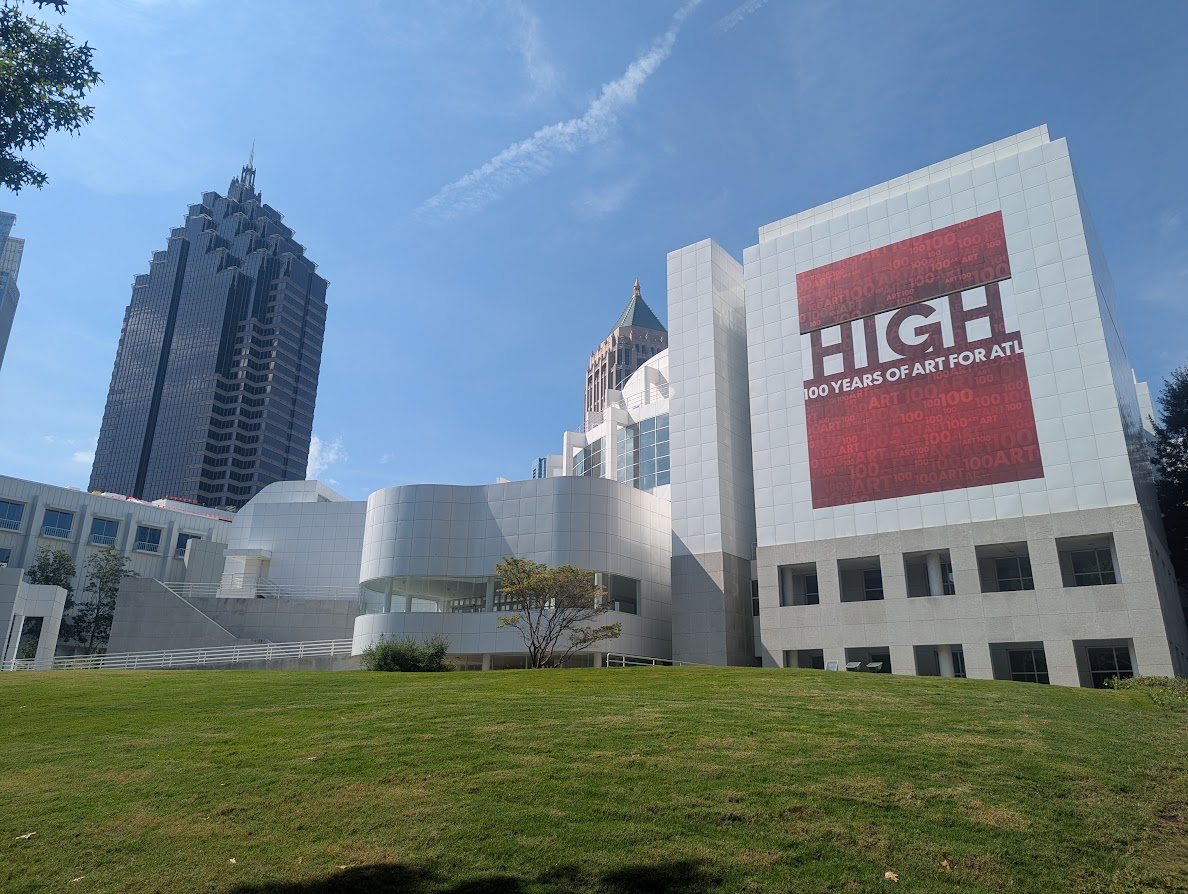
The High is the anchor, a Richard Meier building so white it practically hums against the Georgia sky, expanded years later with Renzo Piano's addition that gave it room to breathe. The permanent collection runs deep in American art, European painting, decorative arts, and African art, but the folk and self-taught art holdings are the real distinguishing feature, a nod to the fact that Georgia and the broader South produced some of the country's most significant outsider artists. Plan to spend a full morning if a major traveling exhibition is up, because the lines for those can wrap the atrium. The insider move is to check what's showing in the Skyway connector between buildings, where smaller, weirder shows get room to exist without the marketing budget of the headline exhibition, and to grab a bench in the atrium rather than fighting the crowd for gallery seating.

Museum of Design Atlanta (MODA)
MODA sits just down Peachtree from the High, small in footprint and specific in mission: design in all its forms, from typography and product design to architecture and fashion. It rotates its exhibitions often enough that a local can visit twice a year and see something entirely new both times. It's the kind of place that rewards people who work in creative fields, but it's approachable enough for anyone curious about why the objects around them look the way they do. Budget an hour, not a half day, and pair it with a walk through the rest of the Arts Center campus.
Center for Puppetry Arts
Visitors who assume this is strictly a children's attraction are in for a surprise. The Center for Puppetry Arts holds one of the largest puppetry collections in the country, including a wing dedicated to Jim Henson, and its adult-programming evenings pull in a crowd that has nothing to do with birthday parties. The museum galleries alone are worth the stop, tracing puppetry traditions from around the world, but the real draw for families is catching an actual performance in the theater. Go on a weekend when a show is scheduled if there's any way to swing it, because the museum-plus-performance combination is what makes this stop distinct from a standard gallery visit.
The Best Museums in Atlanta for Civil Rights and Black History
Any local will tell a visitor not to speed-walk through this section on the way to something else. Atlanta's civil rights institutions sit in Sweet Auburn and the West End because that's where Black Atlanta built its churches, its businesses, and its political power for a century, well before those streets became a stop on anyone's itinerary. The history here is not a museum exhibit about the past. It's the origin story of a city that remains, in identity and in fact, the Black cultural and economic capital of the South, and treating it as a quick photo op misses the point entirely.
National Center for Civil and Human Rights
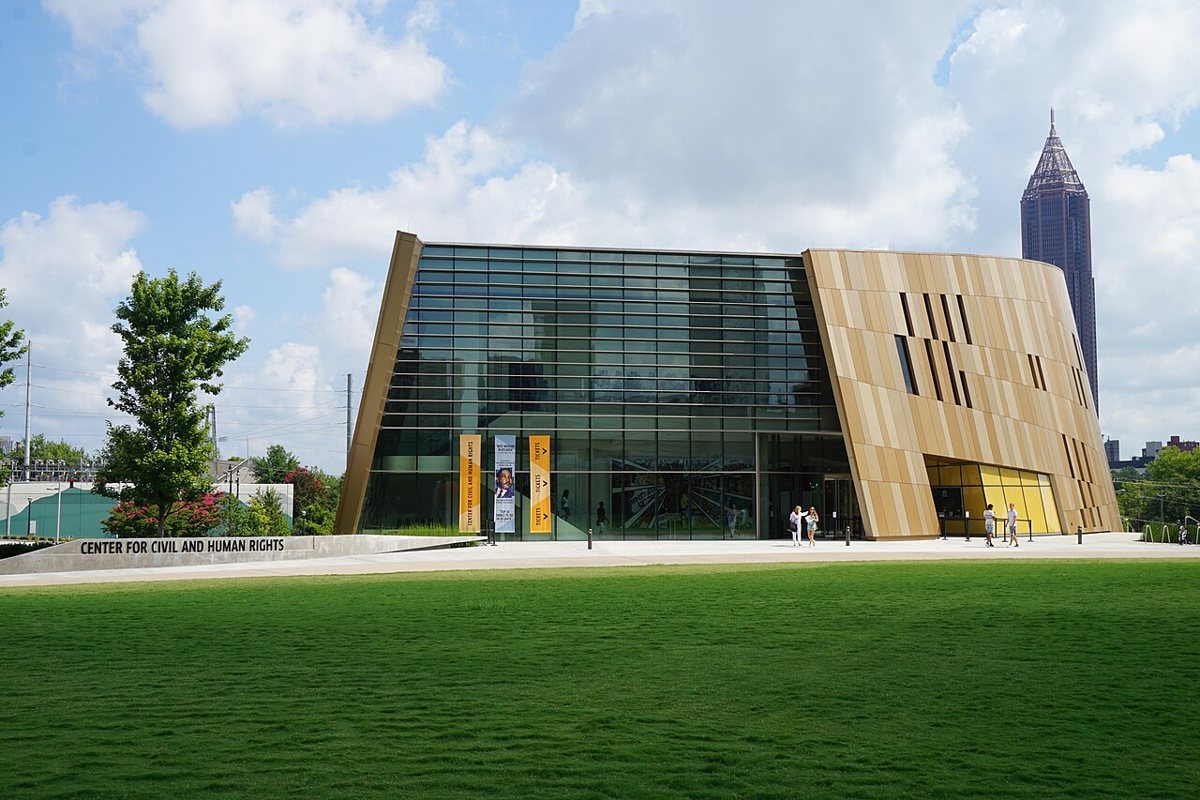
Downtown, next to Centennial Olympic Park, the National Center for Civil and Human Rights connects the American civil rights movement to human rights struggles happening around the world right now, which is a deliberate and correct curatorial choice. The lunch counter sit-in simulation is the exhibit people talk about afterward, an experience designed to put a visitor's body, however briefly and however incompletely, into a moment of real danger and real courage. Give the human rights wing on the upper floor real time too, since it's often rushed past by people who came only for the civil rights history. Go on a weekday morning if flexibility allows; the exhibits are dense enough that a crowded room changes how much a person actually absorbs.

The King Center (Martin Luther King Jr. National Historical Park)
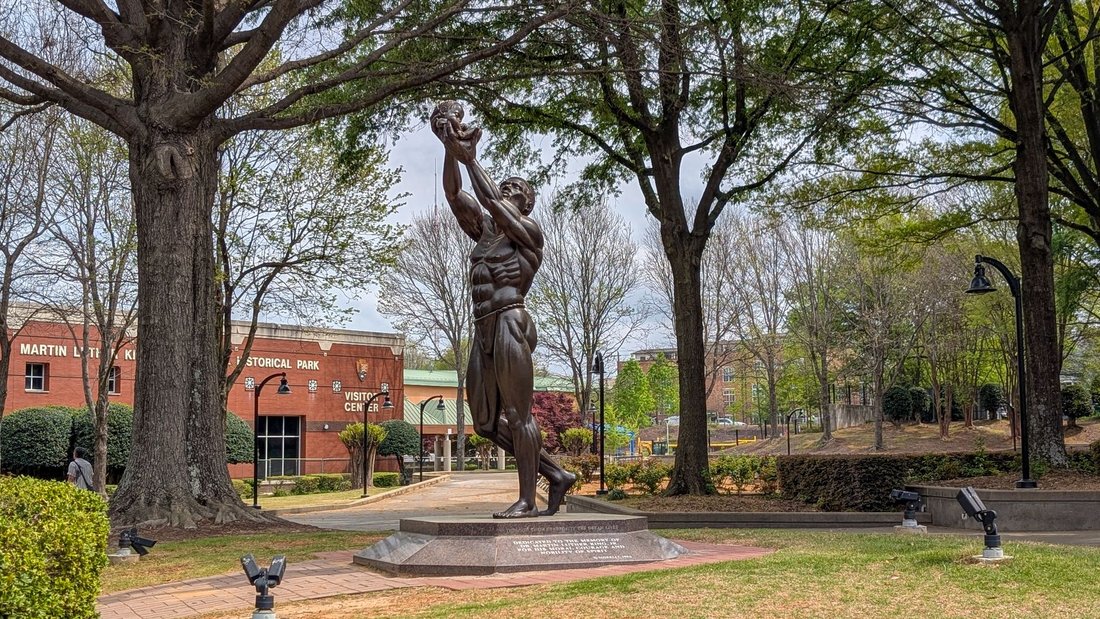
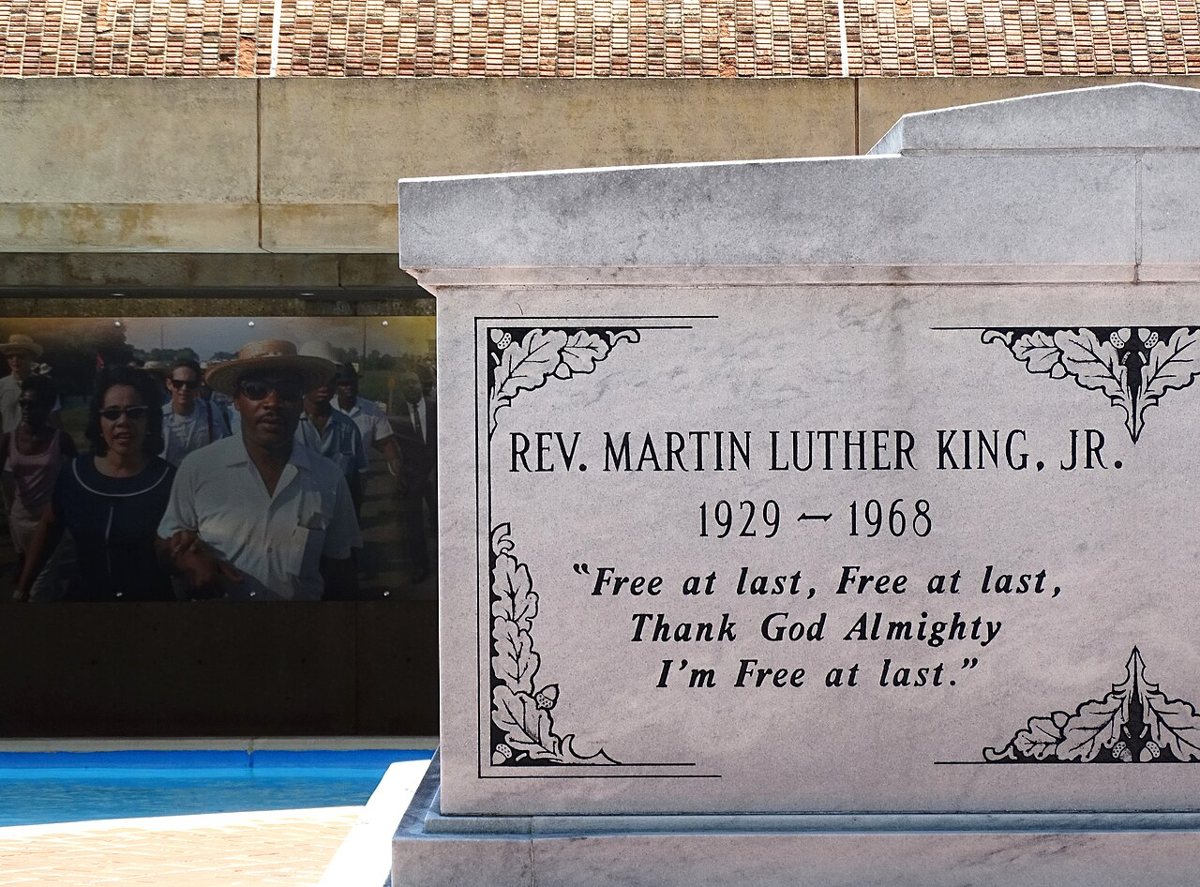
The King Center anchors the Martin Luther King Jr. National Historical Park in the neighborhood where Martin Luther King Jr. was born and later preached at Ebenezer Baptist Church. The King Center functions as a working memorial and a National Park Service site woven into a residential block of Sweet Auburn, not a museum built at a remove from its subject. Visitors can see King's birth home and walk past his tomb and the eternal flame, then step inside the church that shaped his theology and his politics. Walk the full block rather than driving to a single stop, because the neighborhood context, the shotgun houses and the corner stores King actually passed, is part of what makes this site land differently than a gallery ever could. This is not tourism. It's a pilgrimage site for a movement that changed the country, and it asks to be treated that way.

APEX Museum
A few blocks from the King Center, the APEX Museum has been telling African American history in Atlanta and beyond since long before the topic had this much institutional support elsewhere in the city. Housed in a modest Auburn Avenue storefront, it covers African history, the transatlantic slave trade, and the building of Sweet Auburn itself as one of the wealthiest Black business districts in the country during segregation. It runs smaller and scrappier than its downtown neighbors, and that's part of its value. It's a community institution that has been doing the work for decades, not a recent addition to the city's cultural resume, and it deserves a stop on its own merits rather than as an afterthought to the bigger civil rights sites nearby.


Hammonds House Museum
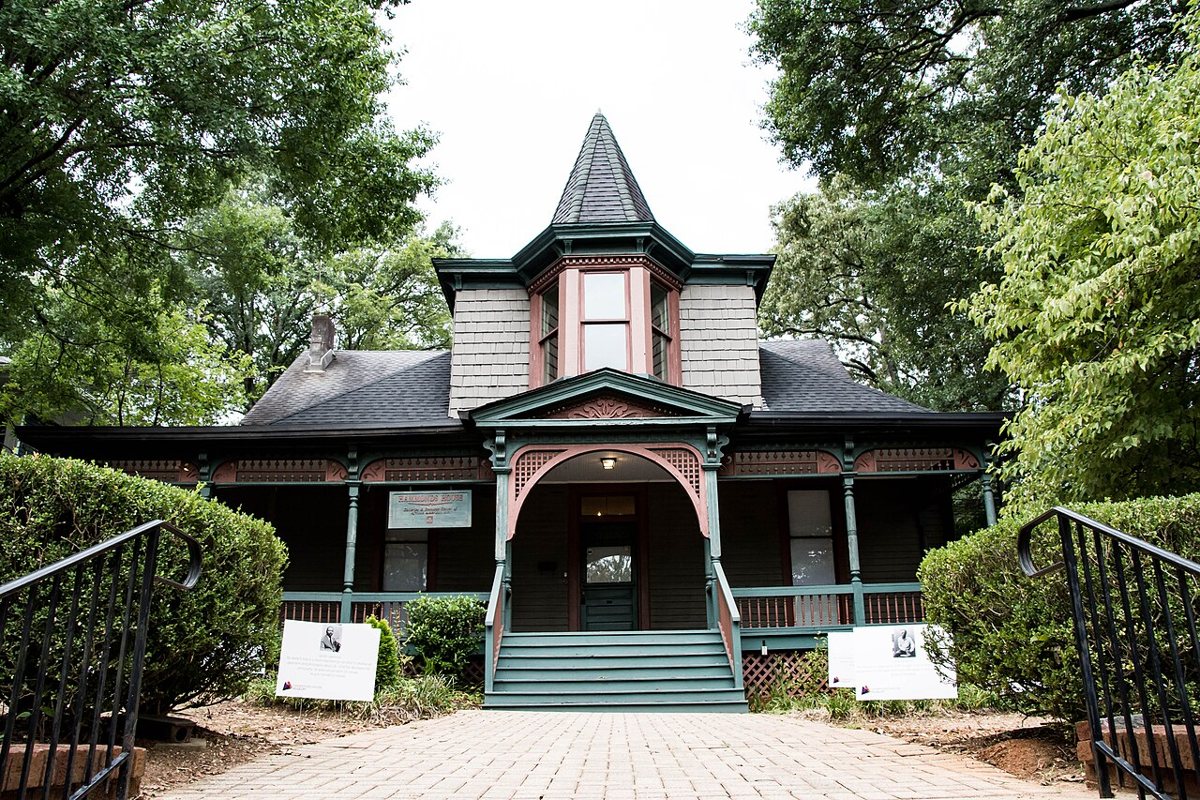
Across town in the West End, the Hammonds House Museum occupies a Victorian home that once belonged to Dr. Otis Hammonds, a physician and serious collector of African American and African diasporic art. The permanent collection and rotating exhibitions focus specifically on Black artists, a mission that matters in a city where the major institutions have only in recent years started catching up on this front. The West End itself, home to the Atlanta University Center schools and a business corridor with deep Black entrepreneurial roots, gives the museum context that a suburban gallery never could. Pair a visit with a walk down Lee Street or over to the Wren's Nest, and treat the West End like the historically significant neighborhood it is rather than a detour.

Buckhead and Druid Hills: Old Bones and Old Money
Head north and east out of the urban core and the museum character shifts again, toward the academic and the ancient. The cluster requires a car or a rideshare more than the others, since MARTA rail doesn't reach directly into Druid Hills, but the payoff includes an actual dinosaur.
Atlanta History Center
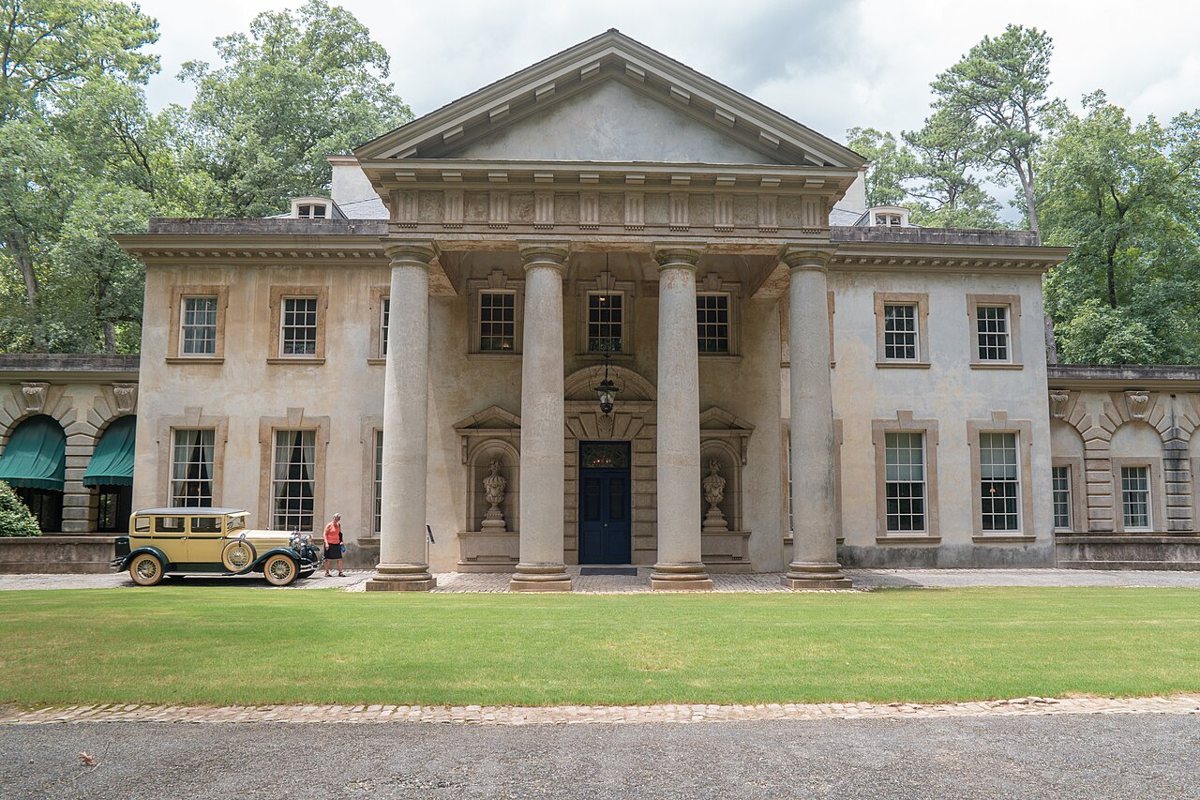
The Atlanta History Center in Buckhead is a sprawling campus, not a single building. The museum holds extensive collections on the Civil War and the city's development alongside historic homes such as the Swan House. Acres of gardens and trails round out the grounds. Give this a half day minimum. The Swan House alone, a 1928 Classical Revival mansion, draws its own crowd, including plenty of people who recognize it from film and television without realizing what it actually is. The Civil War gallery handles the war and Atlanta's role in it with more nuance and more honesty about the Lost Cause mythology than the city's history has always received elsewhere, which is worth acknowledging. Walk the Grant Park-adjacent trails if the weather cooperates, and don't skip the Kenan Research Center if there's a specific piece of Atlanta history worth digging into.

Michael C. Carlos Museum
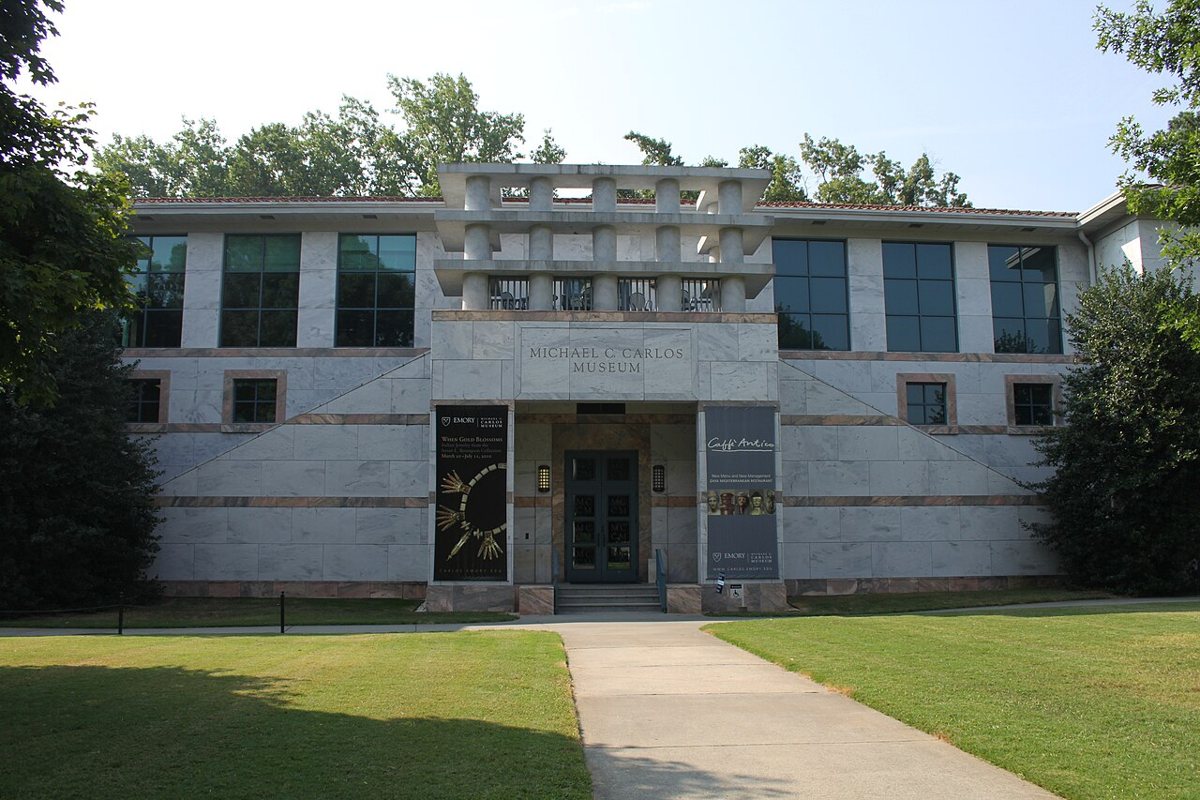
On Emory University's campus, the Carlos Museum holds one of the Southeast's most significant collections of ancient art, anchored by Egyptian antiquities that include actual mummies. The collection also spans Greek and Roman objects alongside art from the ancient Americas and Africa. It's a university museum in the best sense, rigorous and carefully arranged without the crowds of a major city institution, which makes it one of the more peaceful hours a person can spend in Atlanta. The Michael Graves-designed building is worth noticing on its own. Time a visit around Emory's academic calendar if possible, since campus parking gets tighter during the semester, and check whether a current exhibition connects to Emory's own archaeology and anthropology departments for added depth.

Fernbank Museum of Natural History
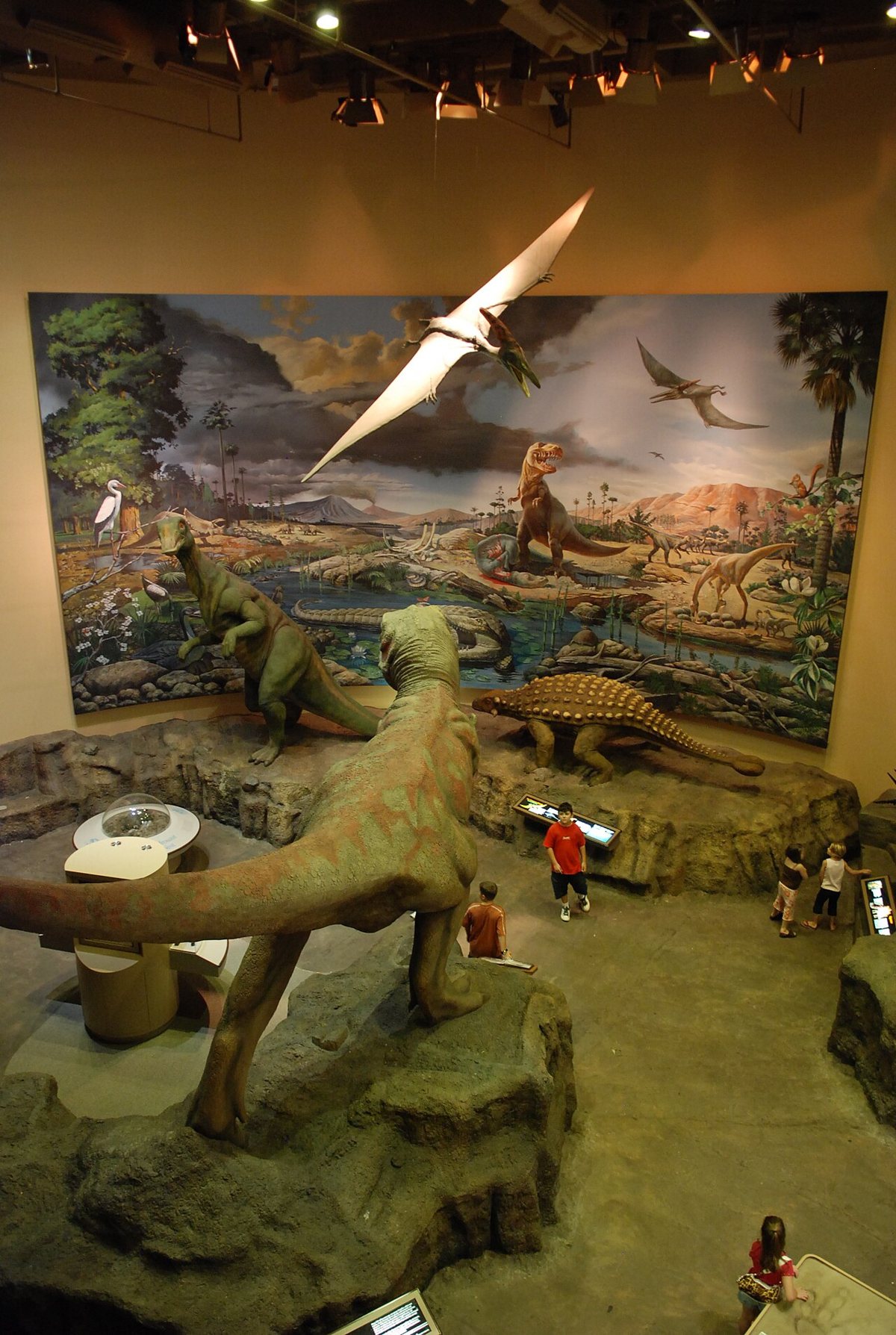
Fernbank, in Druid Hills near Emory, is the natural history stop, anchored by a permanent dinosaur gallery with some of the largest mounted skeletons on public display in the country. Beyond the dinosaurs, exhibits cover Georgia's own natural history in all its regional variety, alongside rotating traveling exhibitions on everything from ancient Egypt to space exploration. The giant-screen theater is worth building into a visit if a film happens to align with the trip. Families should plan for a full day here, especially if the adjacent old-growth forest trail is part of the plan, since Fernbank sits on one of the last patches of old-growth Piedmont forest inside the Perimeter.

Jimmy Carter Presidential Library and Museum
Tucked along Freedom Parkway near Poncey-Highland and Druid Hills, the Jimmy Carter Presidential Library and Museum traces Carter's Georgia roots, his presidency, and his decades of post-presidential humanitarian work, which by most measures rank among the most consequential of any former president. The museum does a good job contextualizing the Camp David Accords and the energy crisis for visitors who weren't around for either, and the grounds themselves, with skyline views back toward downtown, make for one of the better quiet overlooks in the city. It's a stop for people who want their presidential history without the theme-park gloss some other libraries lean into.
Downtown: Big Attractions Worth the Museum Label
Downtown's cluster around Centennial Olympic Park gets dismissed by some locals as tourist-only territory, and it's true that out-of-towners fill these lines. That dismissal undersells what's actually here. These are legitimate museums with real curatorial ambition, not just gift shops with a building attached.
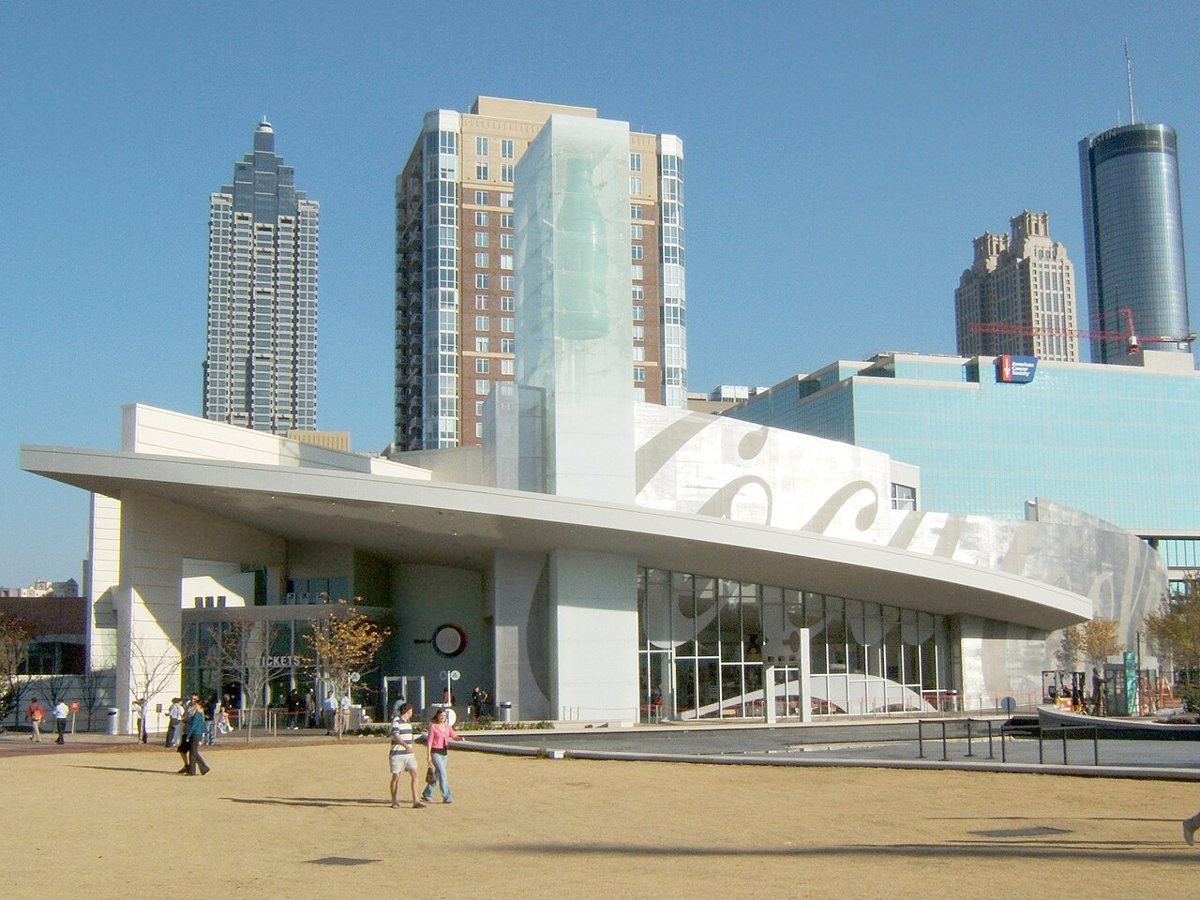
World of Coca-Cola
Yes, it's corporate. It's also a genuinely well-built museum about branding, global marketing history, and a product invented a few miles from where the building now stands, with an archive of vintage advertising and packaging that traces more than a century of American consumer culture. The tasting room at the end, pouring Coca-Cola products from around the world, is the part everyone remembers, but the history galleries leading up to it are more substantive than skeptics expect. Go with realistic expectations about the marketing angle and this becomes a genuinely enjoyable hour rather than a disappointment.

Georgia Aquarium
The Georgia Aquarium stretches the definition of museum, but its scale and its research mission put it firmly in that territory rather than simple entertainment. It's one of the largest aquariums in the world, home to whale sharks in a tank large enough to make that fact almost believable, along with beluga whales, manta rays, and gallery after gallery organized by region and ecosystem. Budget more time than expected. The crowds move slowly through the main tunnel exhibits, and the dolphin presentation and behind-the-scenes options add real time if booked in advance.


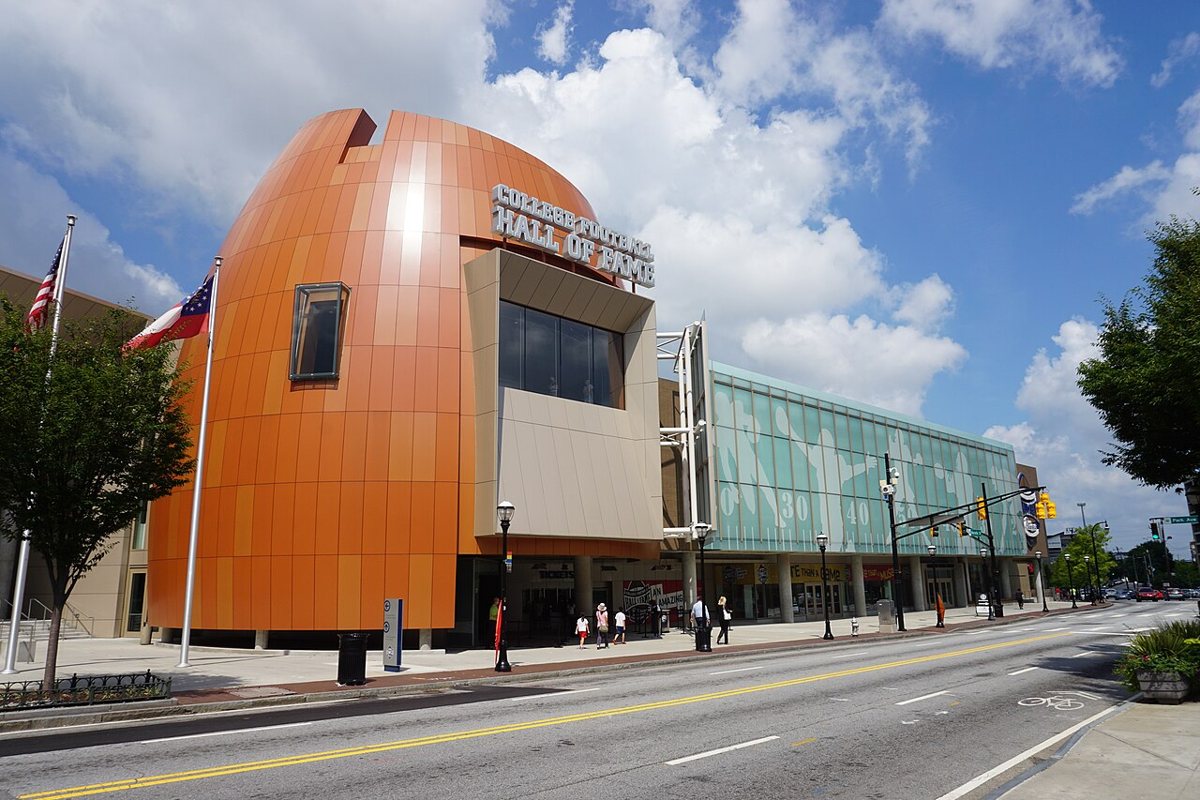
College Football Hall of Fame
For a city and a region this obsessed with college football, having the actual College Football Hall of Fame downtown, steps from Mercedes-Benz Stadium, makes a strange kind of sense. Interactive exhibits let visitors run mock plays and test their throwing arm, but the more substantial galleries cover the sport's history and its enshrined players in real depth, with rotating displays tied to the current season. The exhibits land hardest for SEC football fans, and Atlanta has no shortage of those, but the design and interactivity hold up even for a more casual visitor dragged along by a die-hard.

Getting Around, Timing It Right, and What's Actually Free
MARTA rail handles more of this list than people expect, though not all of it. The Arts Center station drops a visitor within a few blocks of the High Museum, MODA, and the Center for Puppetry Arts, making Midtown the easiest cluster to do car-free. King Memorial and the Five Points area put a visitor within walking distance of Sweet Auburn's King Center and the APEX Museum, and Five Points or Peachtree Center connects to the Downtown cluster near Centennial Olympic Park. The West End station serves Hammonds House and the broader West End corridor directly. Buckhead and Druid Hills are the exceptions; the Atlanta History Center, the Carlos Museum, Fernbank, and the Carter Library are all a rideshare or a drive from the nearest rail stop, so budget for that if the rest of the day was planned around transit.
- Weekday mornings beat weekends at almost every museum on this list, especially the High and the Georgia Aquarium, both of which draw serious weekend crowds.
- The King Center and the surrounding National Historical Park sites carry no admission fee, consistent with their status as National Park Service properties, and that alone makes a Sweet Auburn morning easy to build a free itinerary around.
- Several institutions, including the High Museum and the National Center for Civil and Human Rights, periodically offer free or discounted admission days and reciprocal membership programs, so it's worth checking current museum membership perks like Bank of America's museum weekends or ASTC reciprocal programs before assuming full price is the only option.
- Pairing a museum day with a stretch of the Eastside Trail turns a single stop into a full afternoon, and there's plenty more to do along the BeltLine and beyond, since several clusters sit within a short walk or short ride of the path.
- Anyone building out a full day around Sweet Auburn should plan the meal around it too; Auburn Avenue's soul food is as much a part of that neighborhood's identity as the history sites themselves, and a full day spent in the area rewards the extra time.
A trip built entirely around Midtown or entirely around downtown will miss most of what makes this city's museum landscape worth the reputation. The real version of this list runs through Sweet Auburn and the West End with the same seriousness it gives the High Museum's Renzo Piano wing, because Atlanta's most important cultural export isn't a single building or a single collection. It's the fact that this city has spent a century being the place where Black political power, Black business, and Black art built institutions on their own terms, alongside a research university's ancient Egyptian collection and a corporate archive that happens to be genuinely well done. See it ITP, see it on foot where the BeltLine allows it, and give Auburn Avenue the same unhurried respect a first-time visitor gives the High.