Best Parks in Atlanta You Shouldn't Miss
From the Eastside Trail's Saturday crush to a quiet spring-fed canyon on the west side, this is the honest rundown of where to actually go outside in Atlanta.
The first cool front of October always shows up the same way at Piedmont Park: somebody's already got a hammock strung between two trees near the Meadow, a group is running sprints up and down the steps by the Active Oval, and the food trucks near 10th Street have a line that doesn't move fast enough for anyone waiting on a loaded baked potato. Nobody's rushing. That's the thing about green space in this city: it isn't decoration, it's where the week actually gets lived. Ask five people for the best parks in Atlanta and you'll get five different answers depending on which side of town they sleep on, and all five will be right.
This guide covers the ones worth your Saturday, organized roughly by where they sit in the city, because in Atlanta geography is destiny. A park in Grant Park and a park in Sweetwater Creek State Park are not competing for the same afternoon. Traffic decides more of your day than you'd like to admit, so plan accordingly.
The Best Parks in Atlanta, Sorted by Neighborhood
Midtown and the Park That Started It
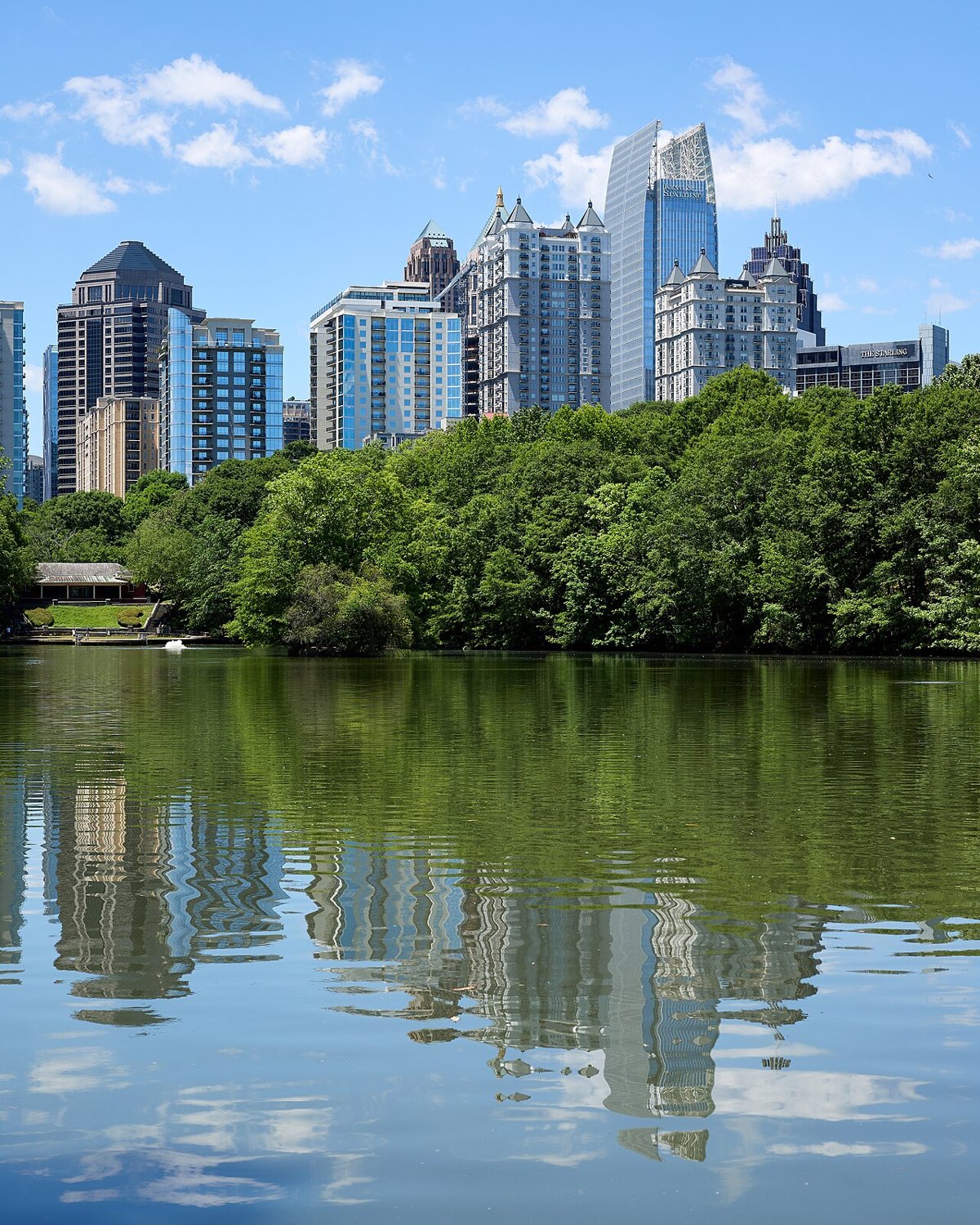
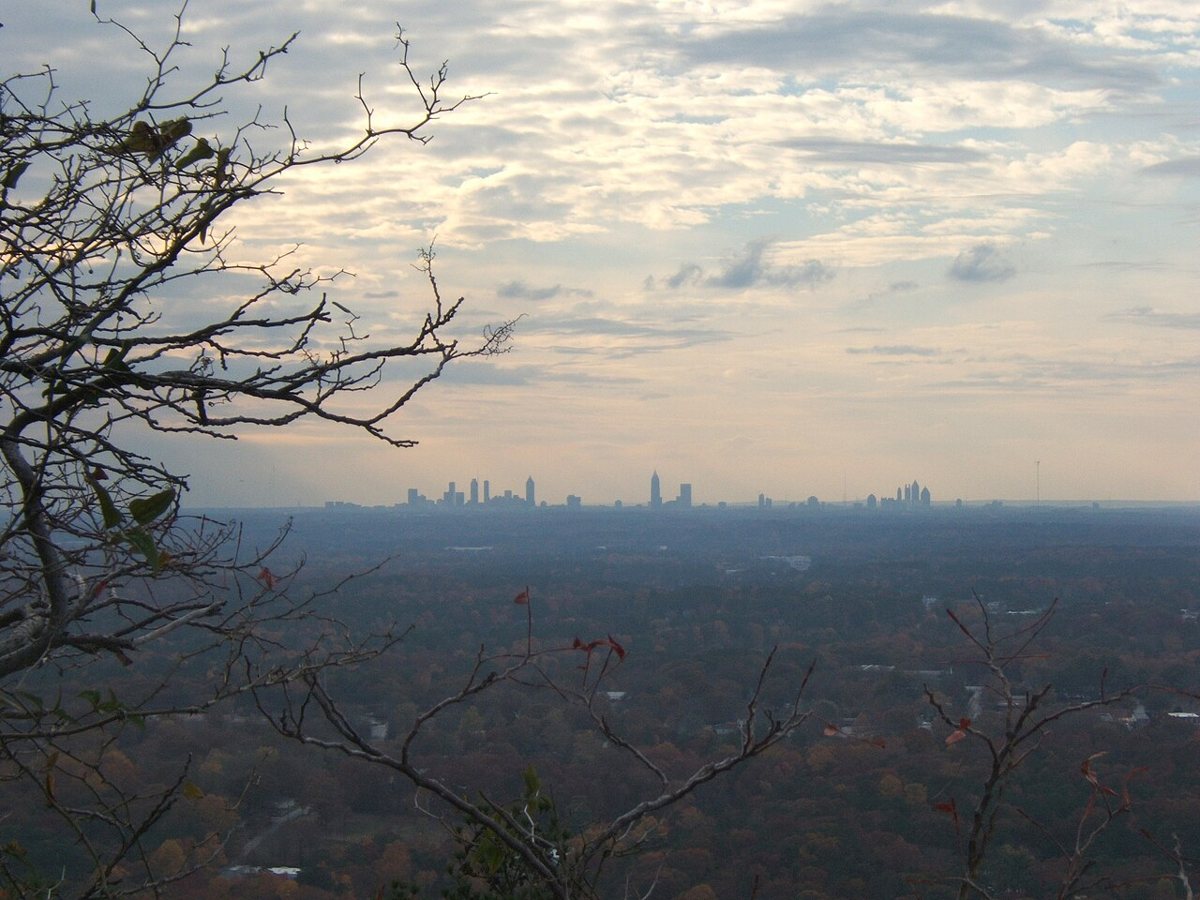
Piedmont Park is still the anchor, and it earns that spot honestly. The Meadow is where Atlanta sunbathes, throws frisbees, and watches the skyline do its thing over the tree line, and on a lot of Sundays a drum circle forms near the 10th Street entrance and runs well past dark. The Active Oval gets runners and soccer leagues at nearly every hour that isn't actively raining, and the dog parks off 12th Street are their own social scene, complete with regulars who know each other's dogs better than each other's names. Lake Clara Meer, tucked on the park's western edge, is quieter than the Meadow and worth the walk if you want somewhere to sit that isn't covered in frisbees. Piedmont Park Conservancy keeps the place clean and programmed, the Saturday Green Market near the 12th Street gate is a solid reason to show up early, and the Atlanta Botanical Garden borders the park's northern edge closely enough that a lot of visitors treat the two as one long outing. Insider tip: parking is a loose word here. Street parking around the Park Drive side disappears fast on weekends, so take MARTA to Midtown station and walk in, or ride the BeltLine straight to the park's western edge. Expect students from Georgia Tech and Georgia State mixed in with Midtown residents, young families pushing strollers toward the playground, and, most weekends, at least one wedding party posing for photos near the Oak Hill gate.

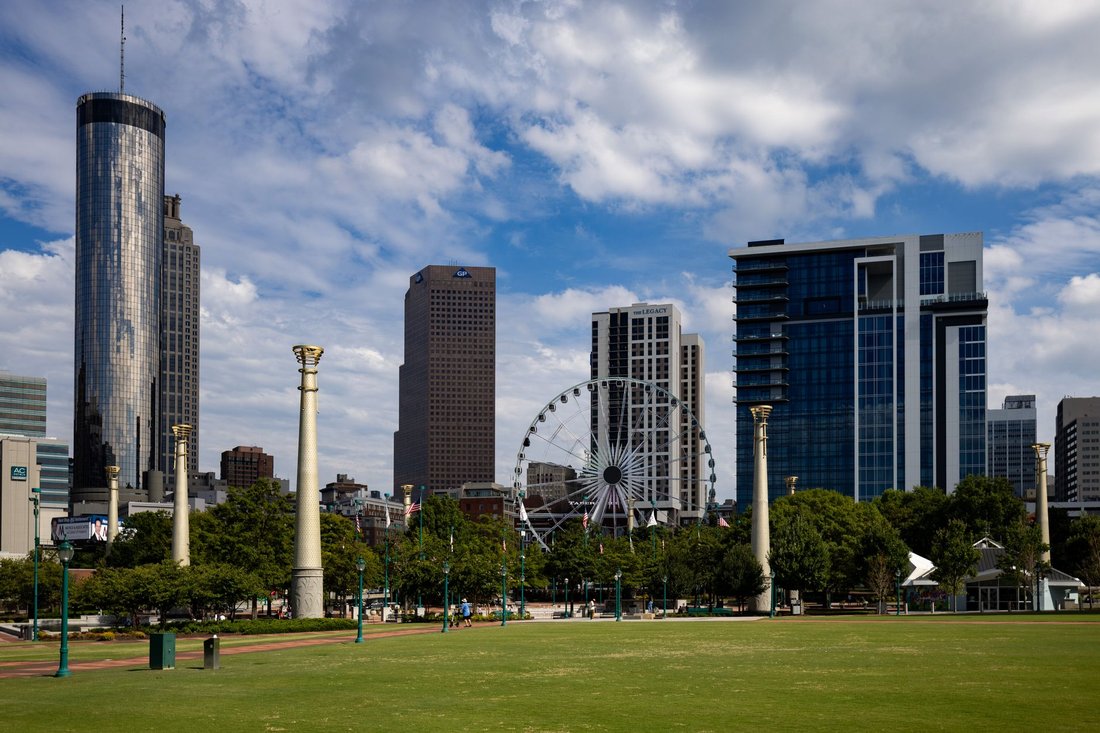
Just south, Centennial Olympic Park serves a completely different purpose. Built for the 1996 Olympics and still doing civic duty downtown, it's the park you bring visiting family to, or the one you cut through on your way from the aquarium to Mercedes-Benz Stadium. The Fountain of Rings is the main event for anyone under ten, timed to music on a rotating schedule, and kids soak themselves in it from spring through the first cool snap of fall. The Quilt of Remembrance, a somber corner honoring the victims of the 1996 bombing, sits at the park's edge and is easy to miss if you don't look for it. The surrounding lawn hosts corporate lunch breaks on weekdays and festival stages on weekends, and the Skyview Atlanta Ferris wheel looms just across the street for anyone who wants the skyline view without the climb. It's not a nature escape, and it doesn't pretend to be. What it does well is give downtown a breathing room it badly needs, sitting right beside the Coca-Cola museum and the Georgia Aquarium. The crowd runs to tourists in family clusters, conference attendees on a lunch break, and Falcons or United fans killing time before kickoff.
Old Fourth Ward and the BeltLine Corridor
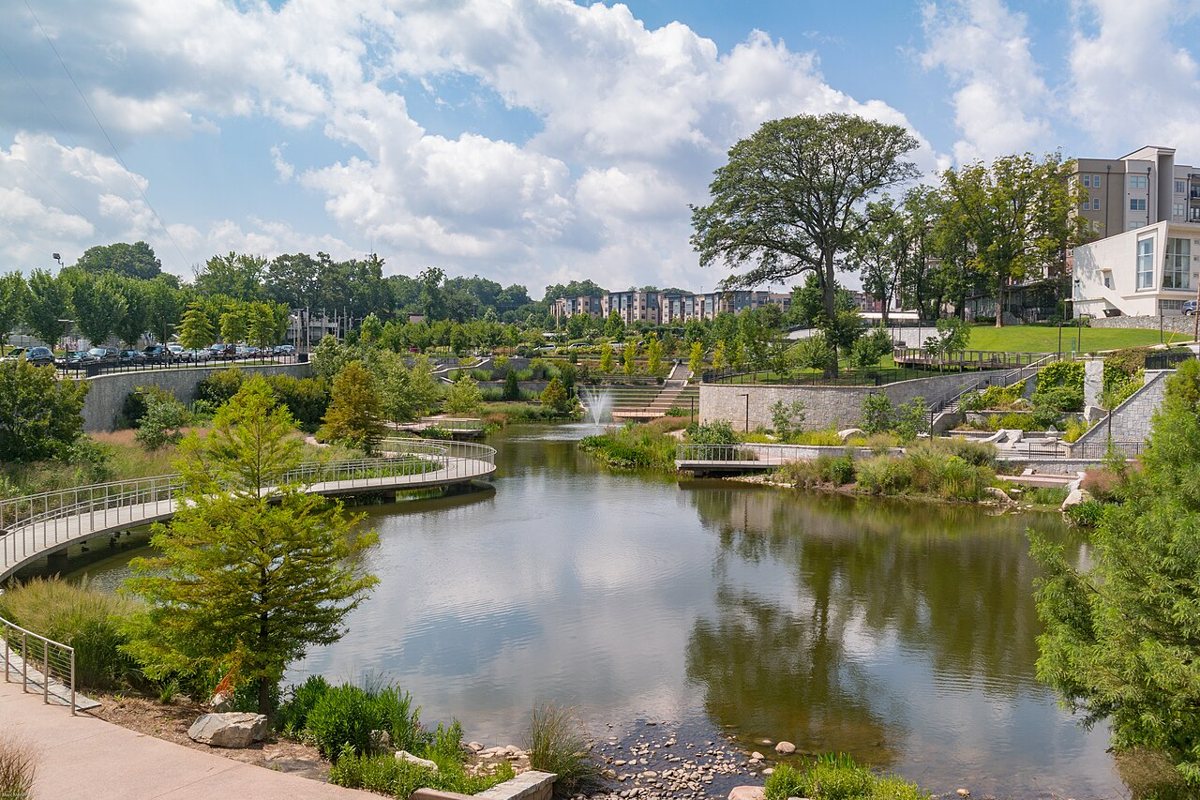
Historic Fourth Ward Park is the clearest proof of what the BeltLine can do to a neighborhood. What used to be a flood-prone industrial corner is now a skate spot, a splash pad, an amphitheater, and a stormwater pond with an actual water feature at its center, all connected directly to the Eastside Trail. The amphitheater hosts a steady run of free outdoor movie nights and small concerts through the warmer months, and the lawn around it fills in with picnic blankets well before showtime. It sits inside the Old Fourth Ward, walking distance from the King birth home and the string of restaurants that have opened up along the BeltLine's edge. Visit at golden hour if you want the pond doing its best reflecting-pool impression, with Ponce City Market's water tower catching the last light behind it. The Old Fourth Ward Skatepark, tucked into the same park complex, is one of the better public skate spots in the city and worth a look even if you don't ride: the bowl gets serious local talent on weekend afternoons, plus a rotating cast of teenagers filming tricks for social media. This is the park where Old Fourth Ward locals, BeltLine tourists, and Ponce City Market shoppers all end up standing in the same square block without quite meaning to.

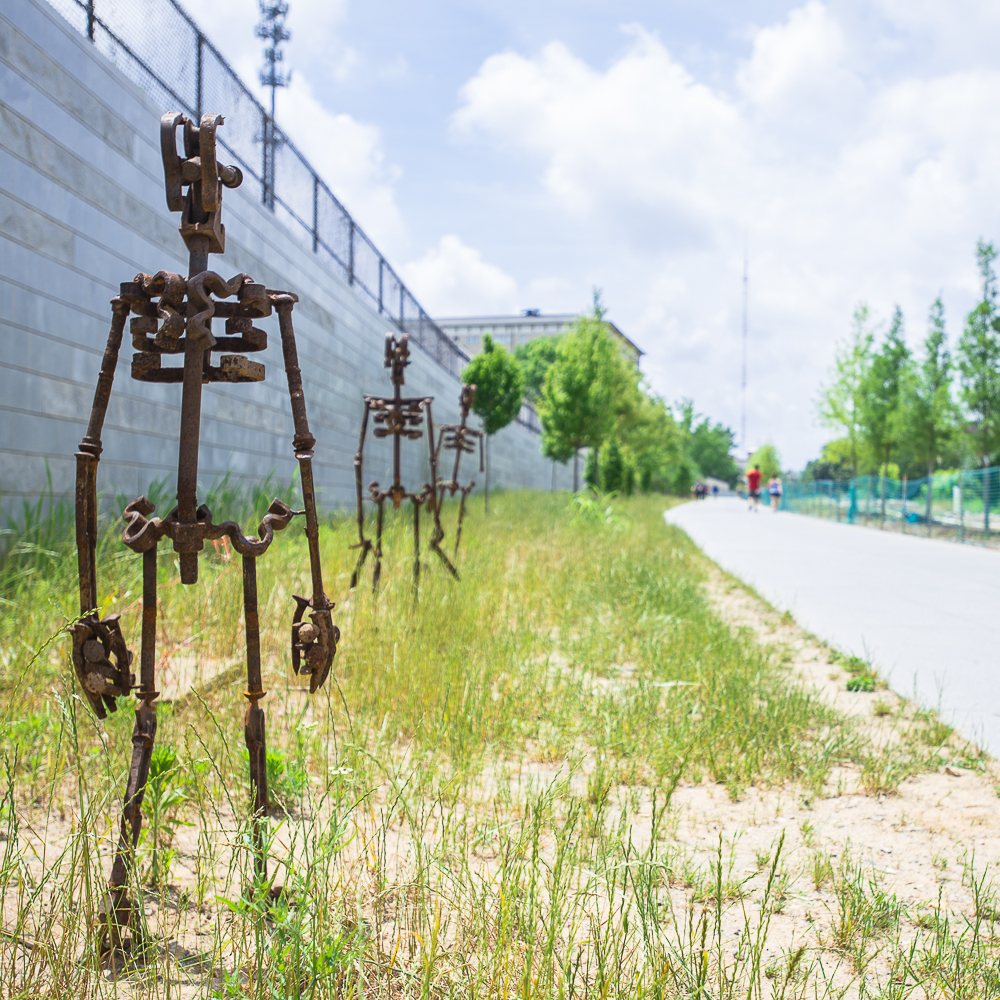
The Atlanta BeltLine Eastside Trail itself deserves its own entry, because calling it just a connector undersells it. This stretch, running roughly from Piedmont Park through Old Fourth Ward and down toward Inman Park and Reynoldstown, is where you'll find the mural walls, the rotating public art installations, and on a Saturday afternoon, more foot traffic than most parks see in a week. Krog Street Tunnel, at the trail's southern stretch, gets repainted with graffiti so often that regulars check it the way some people check the weather. It is genuinely crowded, especially near Ponce City Market, where the rooftop amusement park at Skyline Park draws its own separate line of visitors. That crowding is part of the point: this is where Atlanta comes to be seen and to people-watch in equal measure. Renting a bike is the move if walking sounds too slow, or just accept that a mile will take an hour once you factor in the inevitable stop for tacos or a scoop of ice cream from one of the carts that park along the busiest blocks. You get a genuine cross-section of the city here: joggers, cyclists, dog walkers, tourists with cameras, and teenagers on electric scooters weaving through all of them.

Nearby, Freedom Park runs a long, narrow ribbon between Poncey-Highland, Inman Park, and Candler Park, following the old highway corridor that never got built. It's less polished than its BeltLine cousins and better for it: this is where a long run or bike ride happens without dodging quite as many strollers, and the connection to the Jimmy Carter Presidential Library grounds gives it a quieter, more reflective edge on its eastern end. The paved path doubles as a commuter route for cyclists heading into downtown, so early mornings bring more people in work clothes than people in running shorts.
Inman Park, Candler Park, and Kirkwood
Candler Park, the neighborhood and the park sharing a name, feels like the backyard of the surrounding bungalows because for a lot of people, it functionally is. There's a nine-hole public golf course that draws a loyal, mostly local crowd rather than serious golfers, tennis courts, a pool in summer, and a playground that stays busy from after-school through dusk. It connects easily to the BeltLine and to Freedom Park, making it a natural stop if you're stringing together a longer loop through the east side. The neighborhood around it, all craftsman houses and porch swings, is worth the wander on its own, and Little Five Points sits close enough for a coffee or record-store detour before or after.
Grant Park and the Historic South Side
Grant Park, Atlanta's oldest park, has a gravity to it that newer spaces haven't earned yet. Zoo Atlanta sits inside its borders, and the surrounding blocks of restored Victorians make it one of the city's more walkable, best-preserved historic districts, full of wraparound porches that predate the park's own renovations. The Cyclorama painting that once lived on the park grounds has since moved to the Atlanta History Center in Buckhead, so don't go looking for it here, though the round building that housed it still stands. The park itself has rolling hills good for sledding on the rare snow day, a solid playground, and enough shade to make August bearable. It sits firmly inside the perimeter, close to the West End and Cabbagetown, and it rewards a slow walk more than a quick drive-through. On a weekend morning it's young families heading to the zoo, neighborhood retirees walking dogs on a fixed morning schedule, and a fair number of Cabbagetown residents cutting through on foot.

The West Side, Taken Seriously
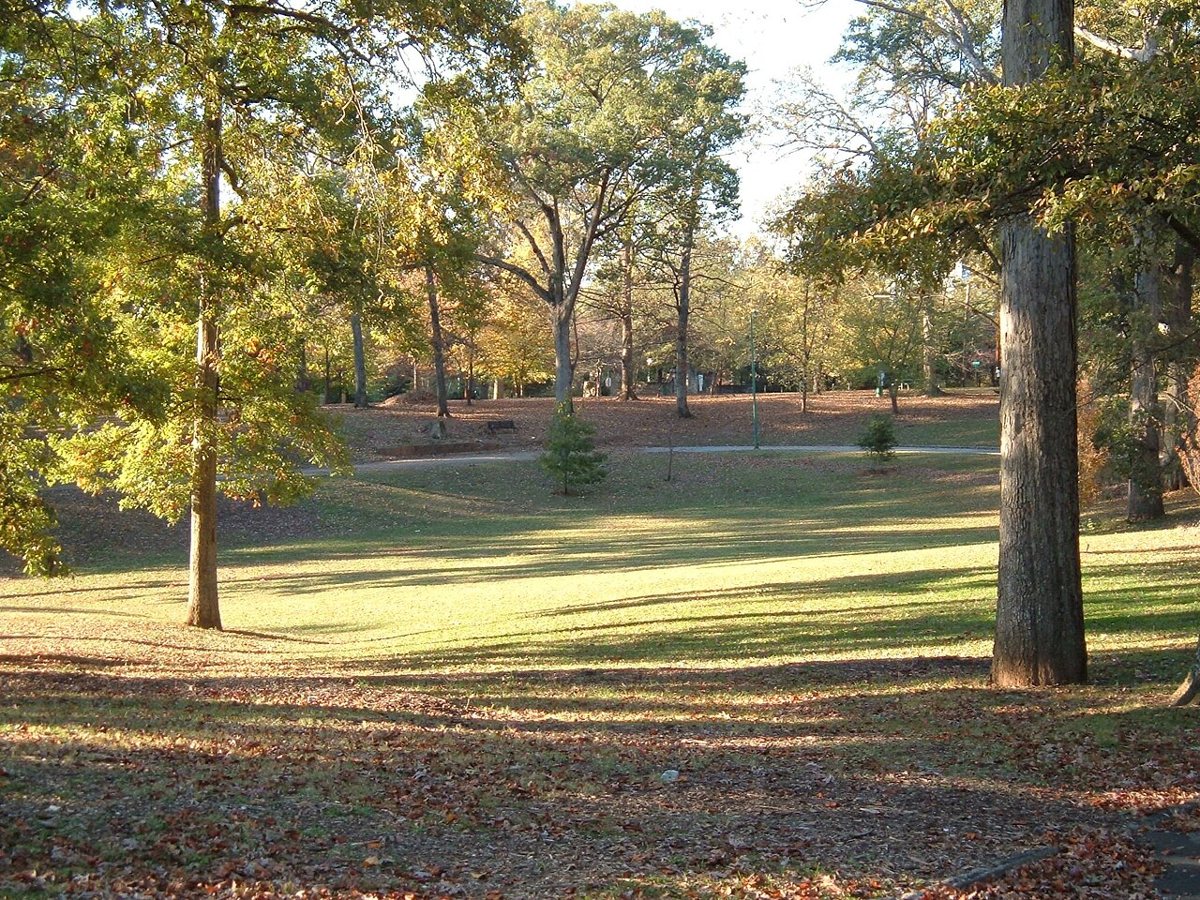
Too many guides treat the west side of Atlanta as an afterthought, which is a mistake, because some of the most important parks in the city sit out here. Rodney Cook Sr. Park in Vine City is a case in point: built as flood mitigation for a neighborhood that had suffered real flooding for decades, its underground storage system quietly does the unglamorous work of keeping nearby streets dry during heavy storms, while the surface doubles as a genuine civic space with fountains, a pavilion, and sightlines to downtown that feel unexpectedly grand for a neighborhood park. It's named for a civil rights-era Georgia legislator, and the park's design leans into that history rather than around it, with markers throughout referencing the neighborhood's role in the movement. Mercedes-Benz Stadium is close enough to see from parts of the lawn, and on game days the park picks up overflow foot traffic from fans parking on the west side.
Westside Park, built around the old Bellwood Quarry, is now the largest park in the city by acreage, anchored by a reservoir that holds a multi-day emergency water supply for Atlanta. The quarry itself once supplied granite used in buildings across the city before it was decommissioned and slowly filled with water, and that industrial backstory is still visible in the sheared rock walls ringing the reservoir. The scale of it is the draw: wide paved trails circling deep blue water inside those quarry walls, framed by industrial history that hasn't been sanded away. It connects to the Westside Trail portion of the BeltLine, giving runners and cyclists a long, uninterrupted stretch away from the busier Eastside crowds, and on weekday mornings it can feel closer to empty than any other major park on this list.
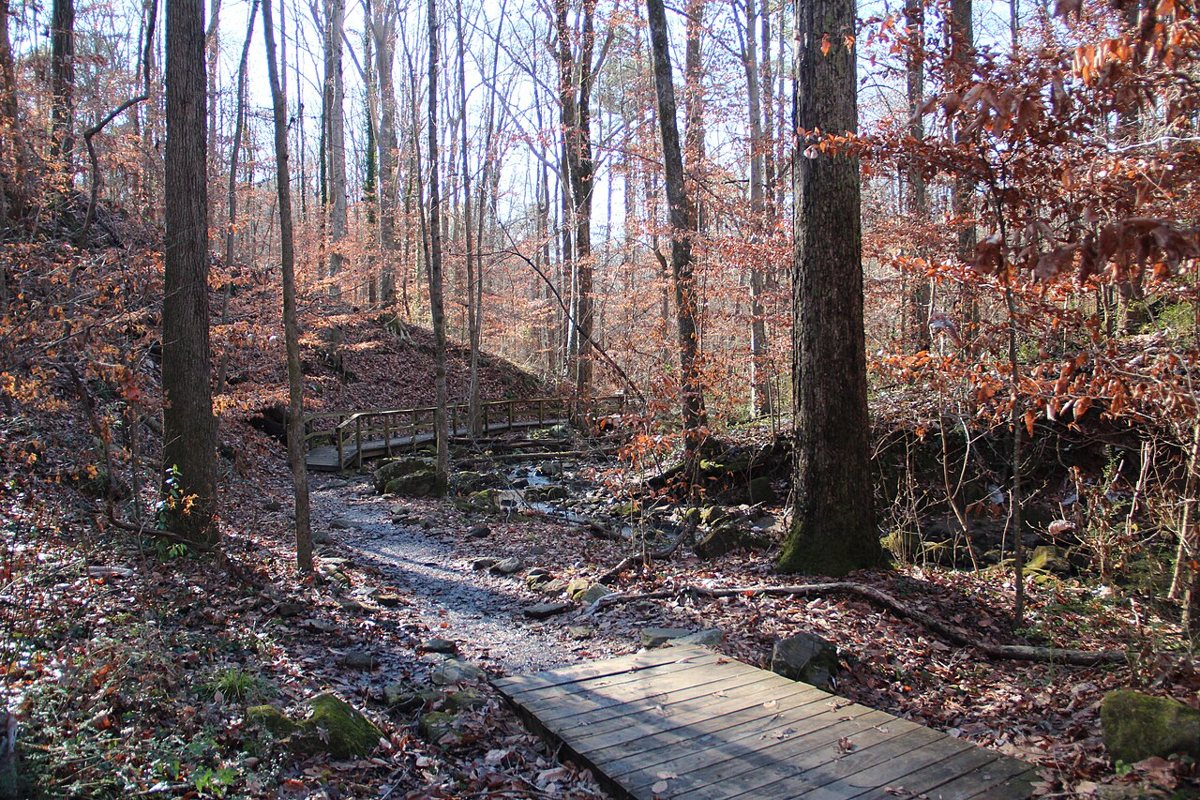
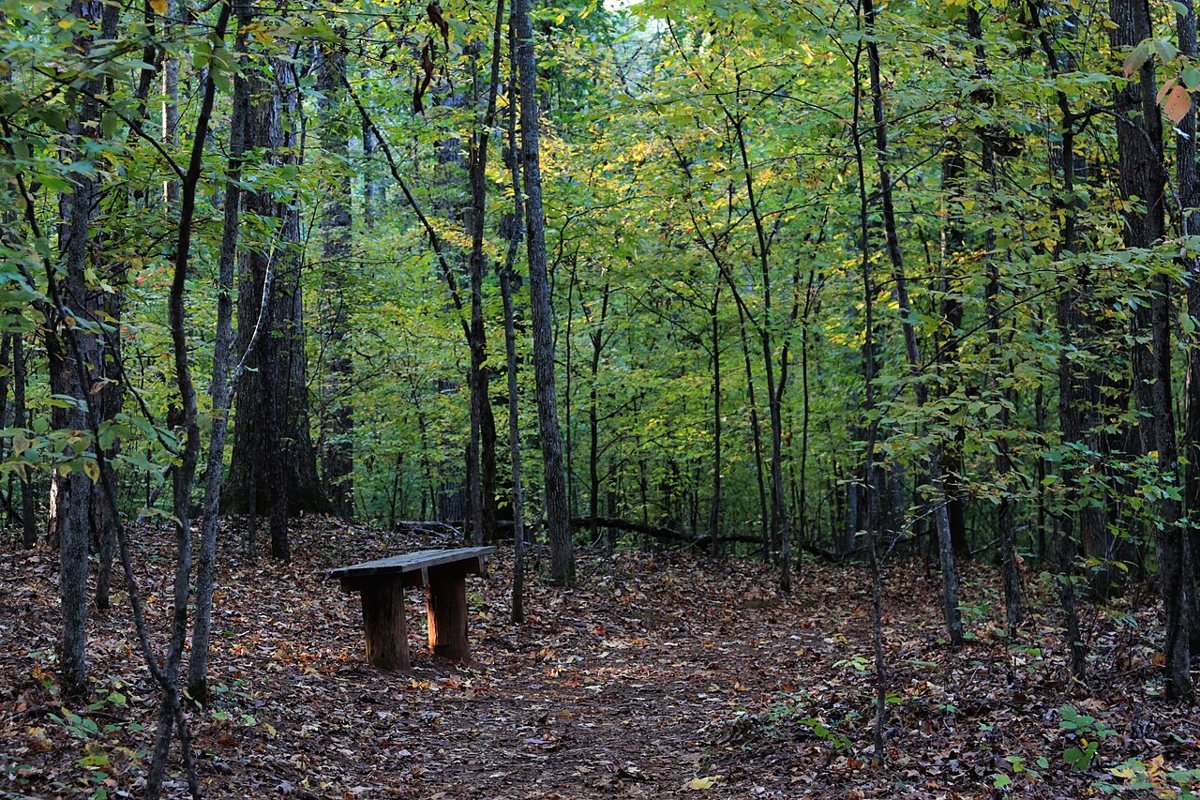
Further southwest, Cascade Springs Nature Preserve is the park most Atlantans outside the neighborhood have never set foot in, and that's their loss. A spring-fed creek cuts through a hardwood forest here, with a small waterfall and rock formations that sit near the site of the Civil War Battle of Utoy Creek, one of the lesser-known skirmishes fought during the Atlanta Campaign. The forest itself, not any single monument, is the real draw: mature hardwoods, exposed rock outcrops, and a creek loud enough to drown out the city within a few minutes of walking in. It's quiet in a way almost nothing else on this list is, no food trucks, no amphitheater, just trails and water sound. Wear real shoes; the terrain gets uneven and rocky past the first quarter mile, and the crowd here skews toward serious hikers and neighborhood regulars rather than casual visitors.

The West End neighborhood surrounding these parks is one of the oldest and most historically significant Black neighborhoods in the city, home to the Atlanta University Center schools and the Wren's Nest, and it deserves to be visited as a destination, not just passed through on the way to somewhere else.
Buckhead's Grand Green Space
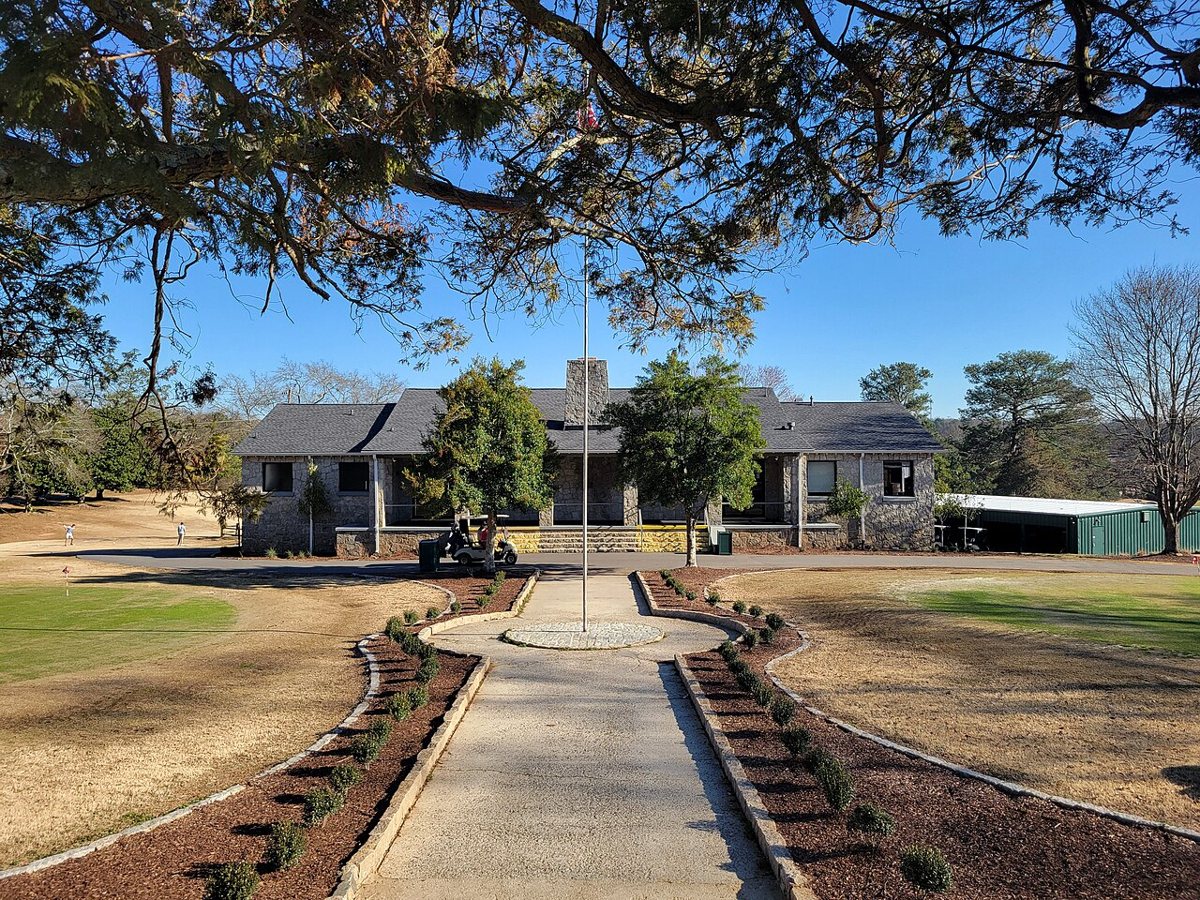
Chastain Park in Buckhead operates on a different scale entirely: a golf course, an amphitheater that hosts touring concerts all summer, horse stables and a working equestrian center, tennis courts, and enough trail mileage to lose an afternoon in. It's the park locals bring out-of-town guests to when they want to show off a version of Atlanta that looks more suburban than the BeltLine corridor, all rolling lawns and mature trees. The Chastain Arts Center runs classes and gallery shows on the same grounds, a detail most amphitheater-goers never notice on their way to a concert. The amphitheater shows, in particular, draw a crowd that packs in picnic spreads that would embarrass most restaurants, full spreads of cheese boards and wine coolers set up on folding tables before the opening act even takes the stage.

Beyond the Perimeter, Worth the Drive
Outside the perimeter doesn't mean lesser, and three parks make that case emphatically. Stone Mountain Park is the region's most-visited attraction, built around one of the largest exposed granite domes in the world, with hiking trails, a lake, and a skyride to the summit. The walk-up trail to the top is a steep mile that gets busy on weekend mornings with families and out-of-town visitors testing their knees, while the skyride handles everyone who'd rather save the climb for the way down. It's also the site of the largest Confederate monument in the country, a bas-relief carving of Confederate leaders on the mountain's north face that remains an active, unresolved civic argument in Georgia. The park's ownership by a state authority and its history as a site of Ku Klux Klan revival in 1915 aren't incidental footnotes; they're part of what you're looking at. Take the hike and the lake if that's the plan, but don't mistake the carving for neutral scenery. The surrounding historic square and plantation-themed exhibits draw a heavier tourist crowd than any other stop on this list, so expect tour buses and long lines at the base of the skyride on weekends.

Chattahoochee River National Recreation Area gives the metro a genuine river escape, a string of federally managed units strung along the Hooch where hiking, fishing, and tubing all happen within the same stretch of water. The Cochran Shoals unit near Sandy Springs draws the heaviest foot and paddle traffic, thick with runners on the loop trail most mornings, but the units further upstream toward Roswell feel considerably more remote. Trout fishing below the dam draws its own quiet, dedicated crowd who show up before sunrise and rarely overlap with the tubing traffic downstream. Water levels shift with dam releases upstream, so anyone tubing should check conditions before getting in.
Sweetwater Creek State Park, out toward Lithia Springs, centers on the ruins of the New Manchester Manufacturing Company, a Confederate-era textile mill burned by Union troops in 1864, sitting right along the creek. The ruins and rushing water together make for one of the more striking short hikes in the region, stone walls rising straight out of the current with hardwood forest crowding in on both sides. The Red Trail loop along the water is the one most people do, rocky and occasionally steep but manageable in tennis shoes, and it's enough to make a half-day trip worth the drive west. History buffs and casual hikers mix here in roughly equal numbers, which isn't the case at most of the other OTP parks on this list.

Arabia Mountain, southeast of the city near Lithonia, is the closest thing metro Atlanta has to a moonscape: a bare granite monadnock similar in geology to Stone Mountain, but without the carving or the crowds. Spring brings rare diamorpha blooms across the rock face in a burst of red that draws photographers from across the region, and the old quarry pits nearby hint at the site's industrial past. The nearby Monastery of the Holy Spirit adds an unexpected quiet detour for anyone who wants a slower stop before or after the hike. The PATH trail system connecting the mountain to nearby lakes makes for one of the better bike rides in the metro, and this is one of the few OTP parks where cyclists genuinely outnumber hikers on a clear weekend.
Getting Around and Making It Work
A few practical notes before heading out. MARTA rail gets you close to several of these: Midtown station drops you near Piedmont Park, and the Five Points and Peachtree Center stations both put you within walking distance of Centennial Olympic Park. Most of the west side and OTP parks require a car; there's no honest way around that yet, though the Westside Trail extension keeps closing gaps.
- Traffic on I-285 and the connectors peaks hard on weekday afternoons, so anyone driving out to Stone Mountain, Sweetwater Creek, or Arabia Mountain on a weekday should leave before the 3:30 crunch or wait until evening.
- The BeltLine's Eastside Trail is busiest on Saturday afternoons between spring and fall; a weekday morning or Sunday at dawn gets the same views with a fraction of the crowd.
- Most of what's on this list is generally free to enter: the parks themselves, the trails, the BeltLine corridor. Where fees apply, it's typically for specific add-ons like Zoo Atlanta inside Grant Park or the skyride at Stone Mountain, so check current pricing before heading out.
- Bring water on the OTP hikes. Cascade Springs and Sweetwater Creek both have shaded canopy, but Arabia Mountain and Stone Mountain's exposed granite get hot fast with zero shade cover.
What ties all of this together isn't a theme park sameness, it's the opposite. A city this spread out needed its green space to do different jobs in different corners, and it mostly delivers: a reservoir doing quiet civic duty on the west side, a quarry-turned-park holding the emergency water supply, a mountain nobody can agree on how to feel about, and a BeltLine trail that somehow functions as sidewalk, gallery, and town square all at once. the restaurants where the trail lets out tend to cluster right where these parks let out, which isn't an accident: people finish a walk and want a plate of food waiting. Pairing a west-side park visit with a stop downtown for history or a museum afternoon makes for a fuller day in the city than either one alone. A quiet Tuesday shows these parks at their calmest. A Saturday shows the city's actual pulse. Either way, get outside: this is the part of Atlanta that never needed an introduction.