Best Day Trips From Atlanta Locals Recommend
From Blue Ridge fire towers to Providence Canyon's red clay walls, here is where Atlanta actually goes when it needs to leave the Perimeter for a day.
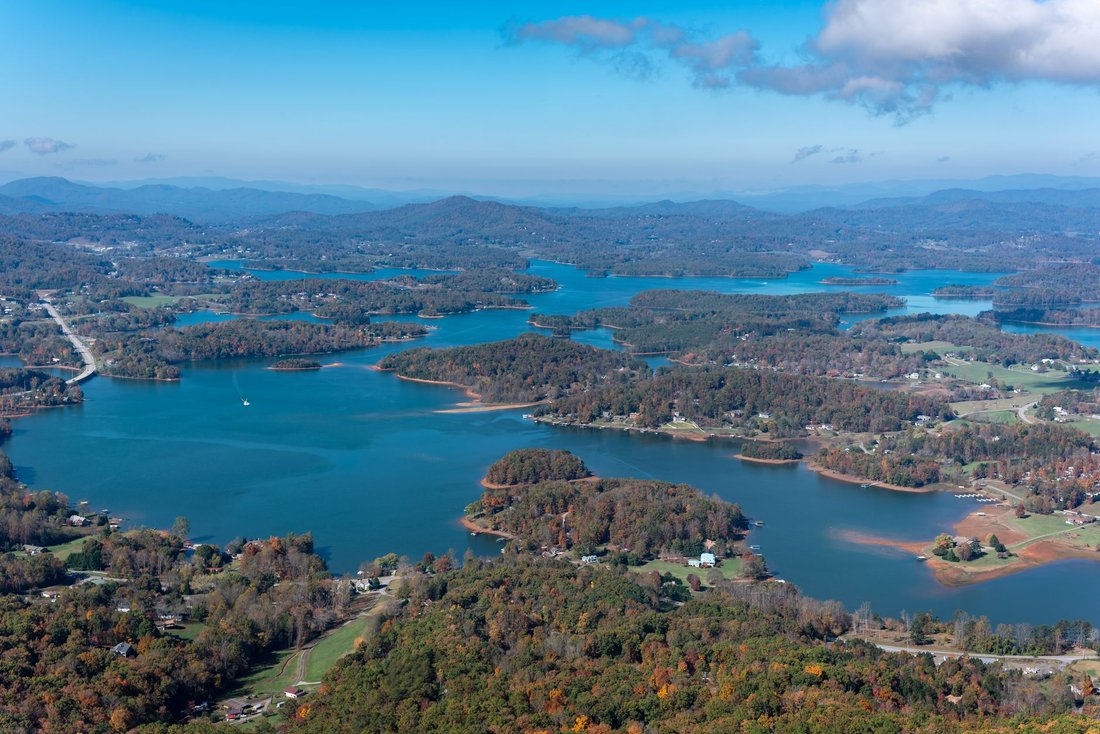
By 6:45 on a Saturday morning, the QuikTrip on Roswell Road already has three cars idling at the pump with kayaks strapped to the roof, and the line at the coffee window wraps past the propane cage. This is what leaving town looks like in metro Atlanta: not a lazy drift out of the city but a small, coordinated exodus, timed around the exact hour I-285 stops being merciful. Ask around Kirkwood or East Atlanta or Chamblee and you will hear the same debate that runs every spring and fall, about the best day trips from Atlanta and which ones are actually worth setting an alarm for. The truth is that this city sits inside a nearly absurd radius of good places. Mountains north, canyons south, a river town on the Tennessee line, a coast that is a stretch but not a myth. What follows is not a highlight reel pulled from somebody's blog. It is a working list, organized by direction, built for people who understand that in Atlanta, the drive itself is part of the plan.
A note before the list starts. ITP and OTP are not just map coordinates here, they are a way of thinking about distance and effort, and the same logic applies once you're headed for the state line. Anything under ninety minutes counts as close. Anything over three hours needs its own conversation with whoever is riding shotgun. Keep that in mind as you read.
North Georgia Mountains and the Blue Ridge
This is where most Atlanta day trips start, and for good reason. The terrain changes fast once you clear Dawsonville, ridgelines stacking up against the windshield, and within ninety minutes of the city you're somewhere that looks and feels like a different state.
Blue Ridge, Georgia
Blue Ridge is a former railroad depot town that has become the default answer when someone in Atlanta says they need a weekend in the mountains, and the day-trip version works nearly as well as the overnight one. The town itself is walkable in an afternoon, a strip of storefronts selling pottery and fudge, with flannel shirts stacked in most of the windows, anchored by the old depot that now serves as the boarding point for the Blue Ridge Scenic Railway, which runs along the Toccoa River toward the Tennessee line. Cabin rental listings dominate the search results for this town, but you don't need one. Park downtown, walk the length of Main Street, and drive out along the Aska Road corridor for river views before heading back.
Locals skip downtown parking on a fall Saturday and use the free lot near the depot instead, walking in from there. Give yourself ninety minutes to two hours from Atlanta, depending on where you start.
Amicalola Falls State Park
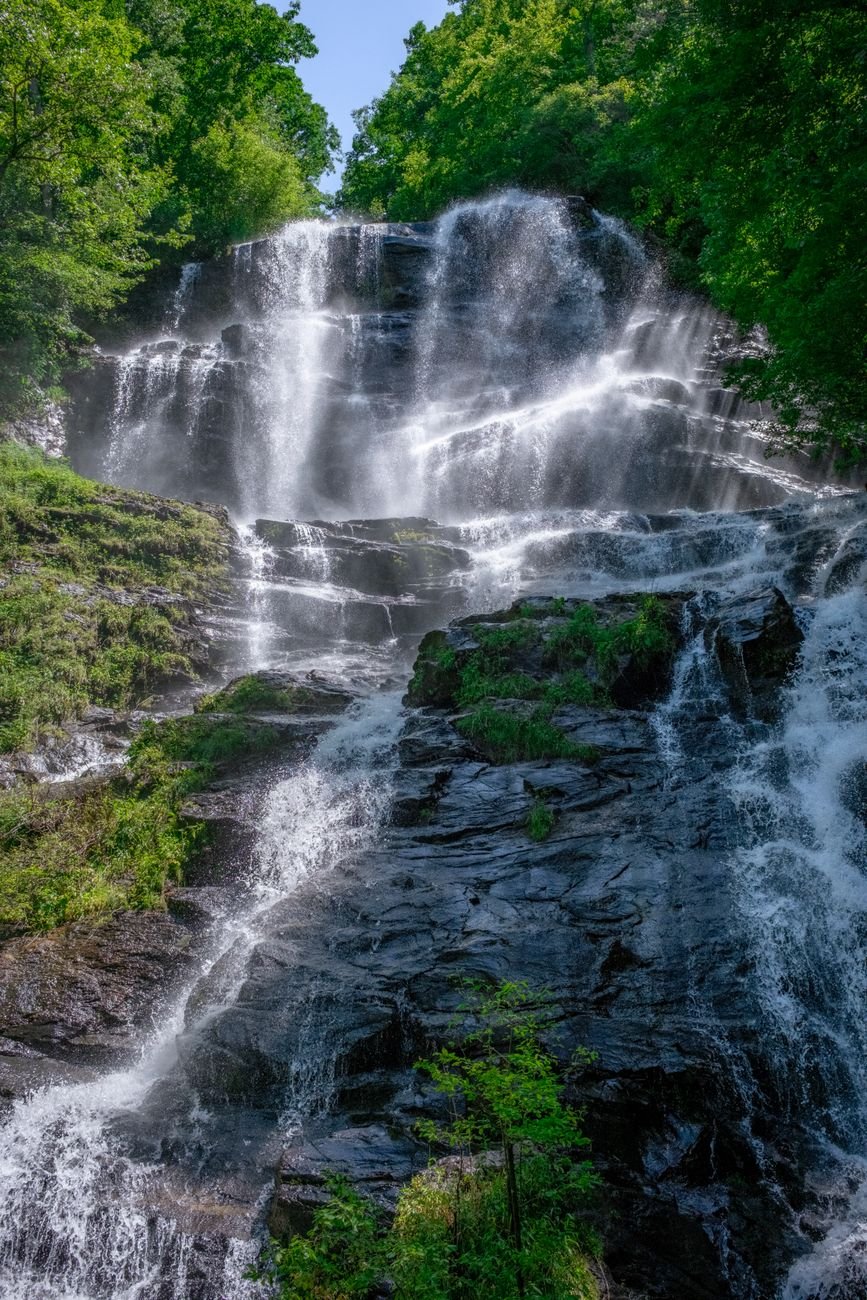
Amicalola holds the title of tallest waterfall in Georgia, a series of cascades that drop roughly seven hundred feet down a mountainside in Dawson County, and the state park built around it is one of the few places within two hours of Atlanta where you can stand at the base of real, loud, moving water without a permit or a guide. The approach trail from the visitor center climbs steadily to an overlook, and for the ambitious, the same approach trail eventually connects to the southern terminus of the Appalachian Trail on Springer Mountain, eight and a half rugged miles beyond the falls.
Most day-trippers do the shorter loop: a paved and staircase route to the upper overlook that takes an hour or two round trip and rewards you with a clean view straight down the falls. Go on a weekday morning if you can manage it. The parking lot fills by midday on any weekend with decent weather, and this park charges a small day-use parking fee at the gate. Count on about ninety minutes from Atlanta.
Helen, Georgia
Helen reinvented itself in the late 1960s as a Bavarian-style alpine village, and depending on your mood that premise either charms you completely or wears thin after one funnel cake. Either way, it draws more day-trippers out of Atlanta than almost any other North Georgia town, mostly for two reasons: the Chattahoochee River tubing outfitters that line the edge of town, and the sheer novelty of half-timbered facades tucked against Georgia pine ridgelines. The town hosts an Oktoberfest celebration each fall that has become a fixture of the regional calendar, but Helen works as a day trip in any season, since the surrounding White County countryside has covered bridges and apple orchards scattered along its back roads, and Unicoi State Park sits just a few minutes outside town.
Park on the edge of town rather than fighting for a downtown spot, and walk in along the river instead. It runs about ninety minutes to two hours from Atlanta.
Wine Country North of the City
Dahlonega gets filed under mountain towns, but it deserves its own category, because the wineries scattered through the hills around it have quietly turned this stretch of Lumpkin County into Georgia's most concentrated wine region.
Dahlonega and the North Georgia Wine Highway
Dahlonega's town square sits on the site of the country's first major gold rush, a fact the Dahlonega Gold Museum State Historic Site, housed in the old county courthouse, tells in more depth than the gift shops selling gold-panning kits ever will. But the reason Atlanta keeps driving up here on weekends now has less to do with gold and more to do with the vineyards ringing the town: Wolf Mountain, Montaluce, Kaya, Frogtown Cellars, and a handful of smaller operations spread across ridgelines with long views back toward the Blue Ridge escarpment. Georgia wine will not be confused with Napa, and nobody serious pretends otherwise, but the setting carries the day, tasting rooms with porches that look out over rows of vines and the mountains beyond them.
Pick two wineries, not five. The roads between them are narrow and curvy, poorly lit once the sun drops, and rushing the drive defeats the purpose of coming up here in the first place. The trip runs about seventy-five minutes from Atlanta to Dahlonega itself, with the wineries another fifteen to twenty-five minutes beyond town.
Chattanooga and the Tennessee Line
Chattanooga sits close enough to Atlanta that it functions almost like a sister city for the day, and it delivers a genuinely different kind of trip: a real downtown, a real river, and geology that Georgia's flatter counties simply don't have.
Chattanooga, Tennessee
Chattanooga spent decades as a manufacturing town with a rough reputation before reinventing its riverfront into one of the more walkable downtowns in the Southeast. The Tennessee Aquarium anchors that riverfront now, split across two buildings covering freshwater and ocean ecosystems, and the Walnut Street Walking Bridge connects it to the North Shore neighborhood's coffee shops and boutiques. Above the city, Lookout Mountain holds Rock City's rock gardens and its multi-state overlook, along with Ruby Falls, an underground waterfall reached by elevator through the mountain itself. Between the aquarium and the mountain attractions above town, plus the riverwalk connecting them, Chattanooga easily fills a full day without repeating itself.
Buy combination tickets for Rock City and Ruby Falls if you're doing both, since they sit minutes apart on the same mountain and separate tickets add up fast. Budget about two hours from Atlanta on I-75 north.

Cloudland Canyon State Park
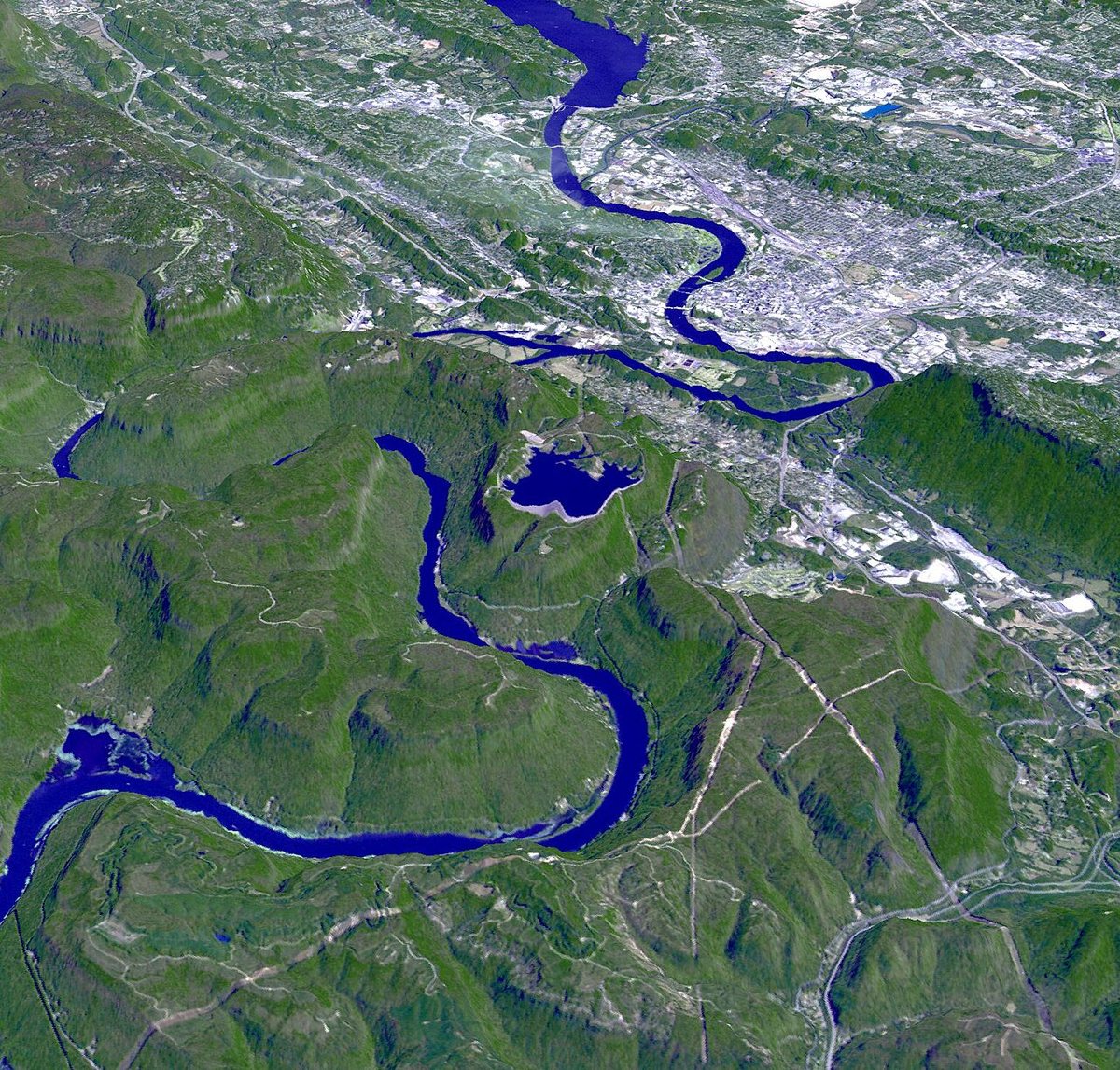
Cloudland Canyon sits on the Georgia side of Lookout Mountain, close enough to Chattanooga that the two can be combined into one long day if you start early, and it offers the kind of dramatic elevation change that surprises people who think of Georgia as uniformly flat pine country. Trails drop into a canyon carved by Sitton Gulch Creek, past two named waterfalls, Cherokee Falls and Hemlock Falls, reached by a steep staircase that makes clear why this is rated among the tougher day hikes within two and a half hours of Atlanta. The overlooks near the parking area require almost no effort and still deliver the view that makes this park worth the drive.
Worth knowing before you go: the waterfall trail involves roughly six hundred steps round trip, so budget real time and real water if you're doing the full loop rather than just the rim overlooks. Plan on about two and a half hours from Atlanta.

Athens and the College Towns
East of Atlanta, the college towns offer a different rhythm entirely, less about scenery and more about walking into a place with its own culture already fully formed.
Athens, Georgia
Athens built its identity around the University of Georgia and around a music scene that produced R.E.M. and the B-52's, and both of those forces are still visible in the compact downtown a short walk from campus. The Georgia Theatre and the 40 Watt Club still book real shows, the State Botanical Garden of Georgia offers a quieter counterpoint on the edge of town, and the restaurant and bar scene along Clayton Street can hold its own against anything in Atlanta's own neighborhoods. College towns run on the academic calendar, which means Athens feels genuinely different depending on whether classes are in session, something worth factoring into when you go.
Park in one of the downtown decks rather than circling for street parking, especially on a football weekend, when the entire town reorganizes itself around Sanford Stadium. It's roughly seventy-five minutes from Atlanta.
Madison, Georgia
Madison gets less attention than Athens but rewards the trip in a different way, a small Morgan County town with one of the best-preserved historic districts in the state, block after block of antebellum and Victorian homes shaded by old hardwoods. Local lore holds that the town was spared from burning during Sherman's March to the Sea because of a senator's personal connections, a story repeated often enough locally that it has become part of the town's identity whether or not every detail holds up. Whatever the reason, the result is a downtown square and residential district that look genuinely preserved rather than reconstructed, worth an hour of slow walking before lunch at one of the cafes on the square.
Keep in mind the historic homes are private residences, not museums, so this is a driving-and-walking tour rather than a ticketed attraction, which makes it one of the cheapest stops on this whole list. Figure on about seventy-five minutes from Atlanta.
The Coast: Savannah, If You're Serious
Savannah belongs on any honest list of the best day trips from Atlanta, with one caveat stated plainly: it is a long day. Four hours each way means eight hours of driving bracketing whatever time you spend in the city itself, and that arithmetic rules out a relaxed visit for most people.
Savannah, Georgia
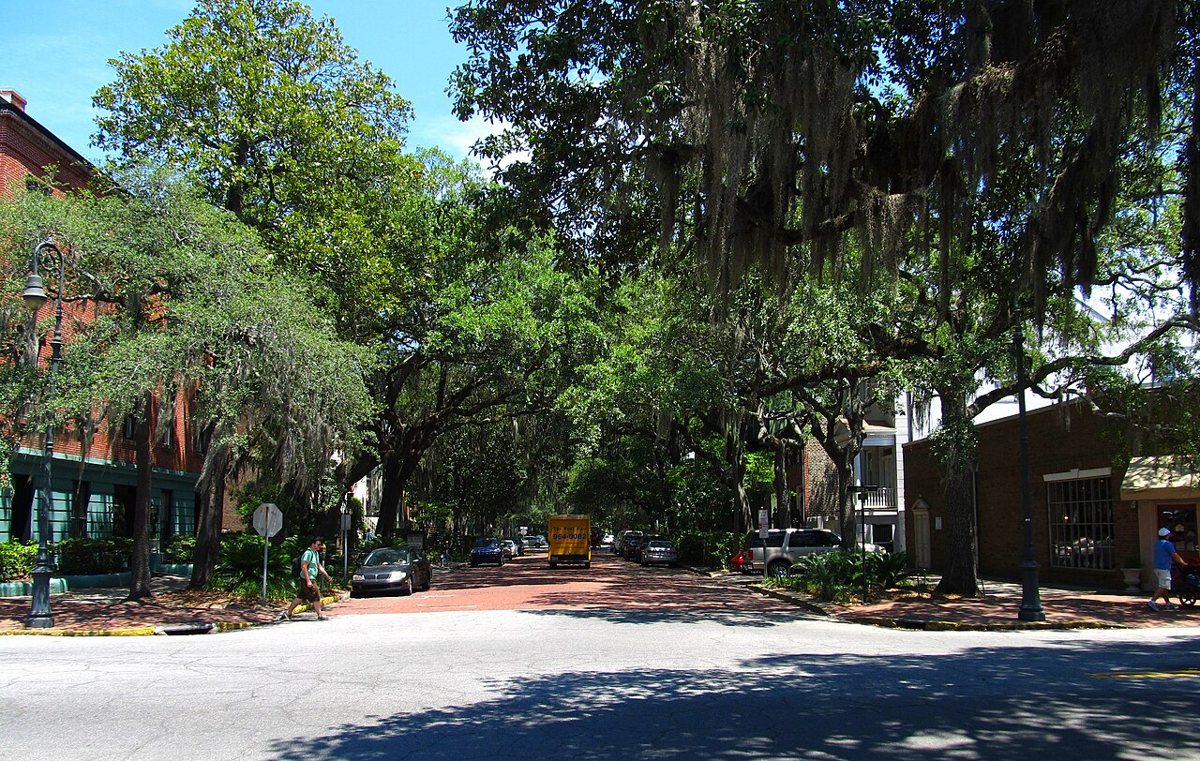
Savannah's historic district is built around a grid of shaded squares, each one slightly different, lined with Spanish-moss oaks and townhouses that show up in more travel photography than almost anywhere else in the South. Forsyth Park anchors the southern end of downtown, River Street runs along the working waterfront at the bottom of the bluff, and the squares themselves reward slow walking more than any checklist of individual stops. Given the drive, most people who do Savannah as a true day trip pick one neighborhood, walk it thoroughly, eat one real meal, and accept that they are leaving most of the city unseen. The alternative, and the one most locals will actually recommend, is turning it into one overnight instead of a single brutal day.
If you're committed to the single-day version, leave before sunrise and treat the historic squares as the entire itinerary rather than trying to add Tybee Island onto the same day. Set aside about four hours each way from Atlanta on I-16.

Canyons, Lakes, and State Parks Closer to Home
Not every good day trip requires clearing two hours of highway. Some of the most reliable options sit close enough to Atlanta that they work even on a morning when you slept in.
Providence Canyon State Park
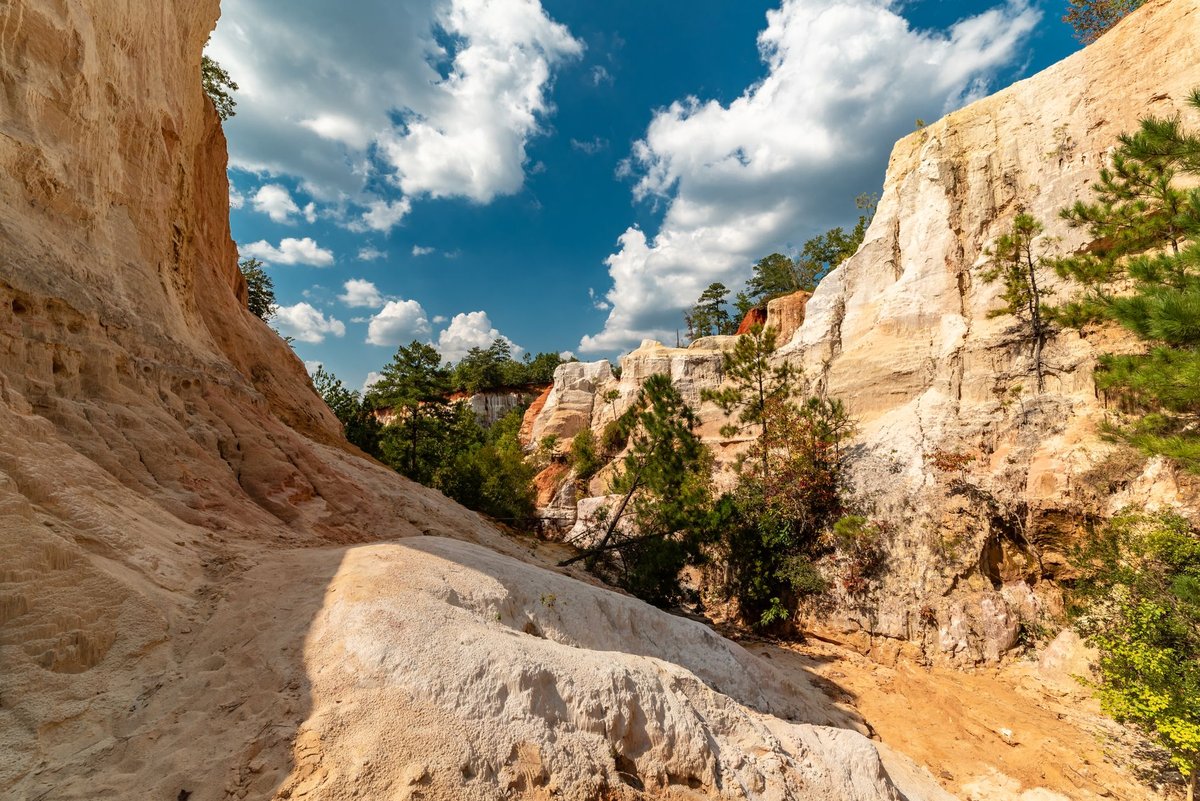
Providence Canyon, tucked into Stewart County near the small town of Lumpkin in southwest Georgia, earned its nickname of Georgia's Little Grand Canyon honestly. The canyon itself did not exist two centuries ago. Poor farming and land-clearing practices in the 1800s stripped away ground cover and let erosion carve gullies that eventually became canyons over a hundred feet deep, striped in red and orange bands, shot through with purple where the mineral layers run deepest. A rim trail circles the canyon with overlooks at several points, and a longer backcountry loop drops down into the canyon floor itself for anyone willing to trade an easy walk for a much better view.
This is farther than most people expect, so pair it with a stop in nearby Columbus rather than treating it as a there-and-back trip. That's about two and a half to three hours from Atlanta.
Stone Mountain Park
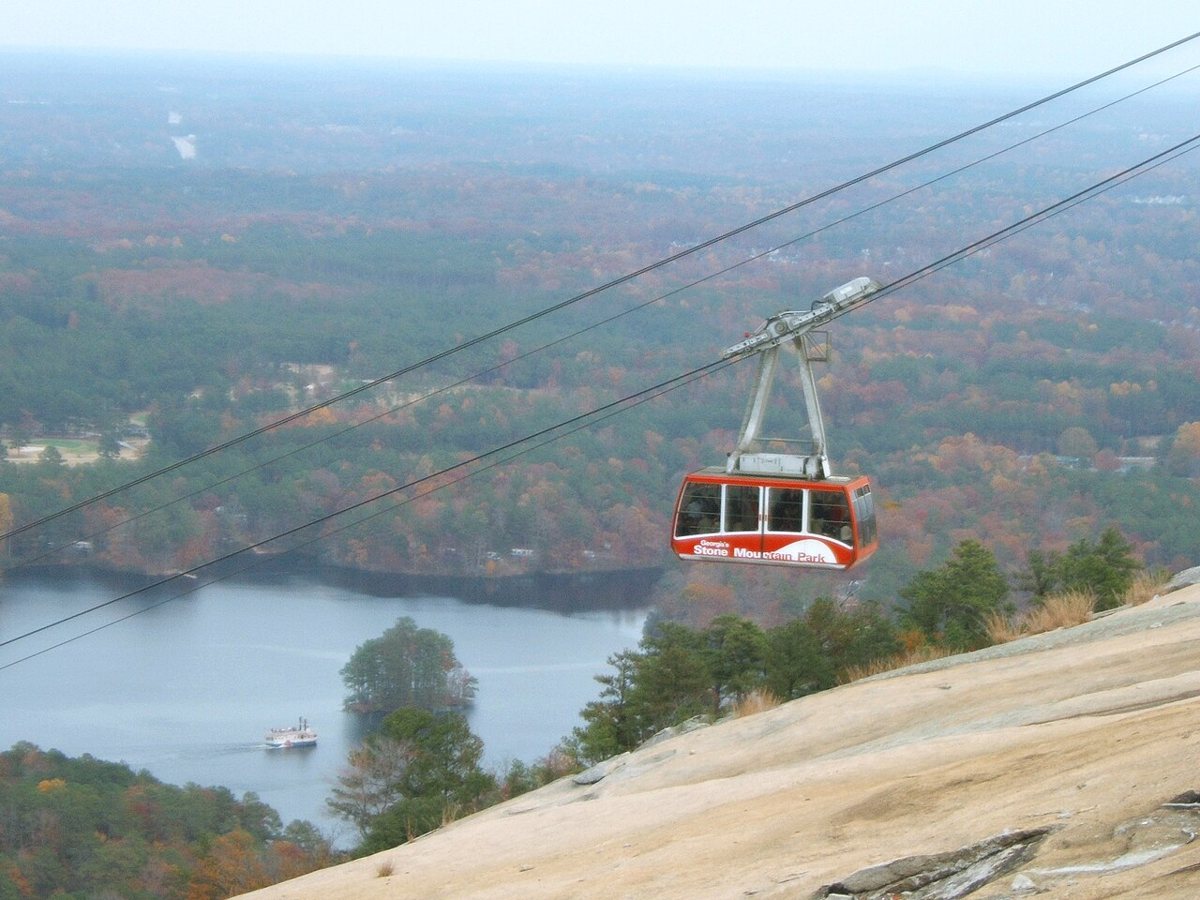
Stone Mountain sits close enough to intown Atlanta that it barely qualifies as leaving, and that proximity is exactly why it belongs on this list for anyone short on time. The mountain itself is the largest exposed piece of granite in the world, and a walk-up trail takes most people less than an hour and a half round trip to reach the summit and its wide-open view back toward the Atlanta skyline. The park also carries real, complicated history: the mountain's north face bears a massive Confederate memorial carving, a piece of the landscape that has been the subject of ongoing public debate over what it represents and what, if anything, should change about it. That context is worth carrying with you rather than treating the mountain purely as a backdrop.
Go for the hike at sunrise or in the last two hours before sunset, both to beat the heat and to catch the best light on the skyline view. Most intown neighborhoods are under thirty minutes away.

Lake Oconee and Lake Lanier
Atlanta's two big lakes serve different purposes. Lake Lanier, closer to the city and fed by the Chattahoochee River, is where most people go for a straightforward day on the water, boat rentals and marina restaurants close by, with swimming beaches scattered along the shoreline, all within about an hour of downtown. Lake Oconee, roughly ninety minutes east near Greensboro and Eatonton, has developed a slightly more polished reputation, built up around golf resorts and lakefront dining, and it makes a good pairing with a stop in nearby Madison on the same day. Neither lake requires a boat to enjoy. Both have public parks and swim areas that work fine for an afternoon of doing very little, which is sometimes the entire point of a day trip.
Lanier gets crowded and territorial about boat traffic on summer weekends, so if you don't have your own boat, a lakeside restaurant with a dock is often the more relaxed way to spend the day. Lanier is the closer option, forty-five minutes to an hour from downtown, while Oconee sits about ninety minutes east near Greensboro.
The Practical Part: What Makes the Best Day Trips From Atlanta Work
None of this works without respecting the drive, because in this city the drive is not a formality, it's the first obstacle of the day. I-75 and I-575 north toward the mountains back up early on weekend mornings and again in the evening as everyone tries to get home at once. I-16 toward Savannah is long but usually clear. I-85 and I-20 carry their own weekday patterns that mostly don't apply on weekends, which is one more reason weekends are simply the better day-trip window to begin with.
- Leave before 8 a.m. on anything mountain-bound. The parking lots at Amicalola and Blue Ridge fill by late morning on any weekend with good weather, and Helen is no better.
- Georgia's state parks charge a modest day-use parking fee at the gate, so keep a card or a few dollars on hand.
- Free options exist at nearly every stop on this list: walking Blue Ridge's Main Street, touring Madison's historic district, hiking the rim trail at Providence Canyon, and driving the wine country roads around Dahlonega without stopping at a single tasting room all cost nothing but time and gas.
- Plan the return drive as carefully as the departure. Sunday afternoon traffic heading back into the city from the north can rival a weekday rush hour.
For anyone building a longer stretch of visits, it helps to treat these trips the way locals treat a walk on the BeltLine, as something you come back to on rotation rather than something you check off once. The same goes for stacking a day trip against a slower weekend of free things to do around the city itself, since not every good day requires a tank of gas.
What ties all of this together is not novelty. It's proximity, the fact that a city built on sprawl and traffic also happens to sit within a few hours of mountains, canyons, a real river town, and a coast that's worth the long haul if you commit to it fully. Atlanta's own geography sometimes gets treated as a punishment, all those hours lost to I-285 and the Connector. But that same geography, run in reverse, points straight at some of the best country the Southeast has to offer. Pick a direction, fill the tank the night before, and get out ahead of the traffic. That's the whole strategy, and it works.