Best Things to Do in Atlanta: A Local's Guide
A Kirkwood local maps the BeltLine mornings, Sweet Auburn afternoons, and OTP detours that actually make up the best of the city.

The first time I brought an out-of-town friend to Oakland Cemetery, she thought I was joking. Then we walked past the Bell Tower, past rows of Victorian obelisks tilting slightly with age, past a jogger doing laps like the place was just another city park, and she stopped joking. That's the thing about Atlanta, and it's the key to the best things to do in Atlanta: the city holds its history and its ordinary daily life in the same square footage, often without a fence between them. You can eat lunch in a park built on old railroad tracks, then walk fifteen minutes and stand in the room where Martin Luther King Jr. was born, and treat both as equally real, because they are.
I've lived off the Eastside BeltLine in Kirkwood for fourteen years now, long enough to remember when certain stretches of it were still gravel and kudzu. This guide is organized the way I'd actually plan a visit for someone I like: by corridor, by neighborhood, and by what kind of day you're building. Some of it is free. Some of it takes half a day. All of it is real, and none of it requires you to sit in traffic on I-285 longer than necessary, though you probably will at some point. That's part of living here too.
Best Things to Do in Atlanta Along the BeltLine Corridor
The Atlanta BeltLine is the spine that most first-time visitors should orient themselves around, and locals use it constantly, not just for photos. It's a network of multi-use trails built on former rail corridors that loop around the city's core, connecting neighborhoods that didn't used to talk to each other much. The Eastside Trail, running from Piedmont Park down through Inman Park and into Reynoldstown, is the busiest and most polished stretch, lined with murals, public art installations that rotate throughout the year, and enough restaurant patios that you could plan an entire day around eating your way down it. Rent a bike if you want to cover more ground, or just walk it slowly on a Sunday morning before the crowds show up. The insider move is starting at the Ponce City Market end early, before nine, when the light is good and you can actually hear the birds.

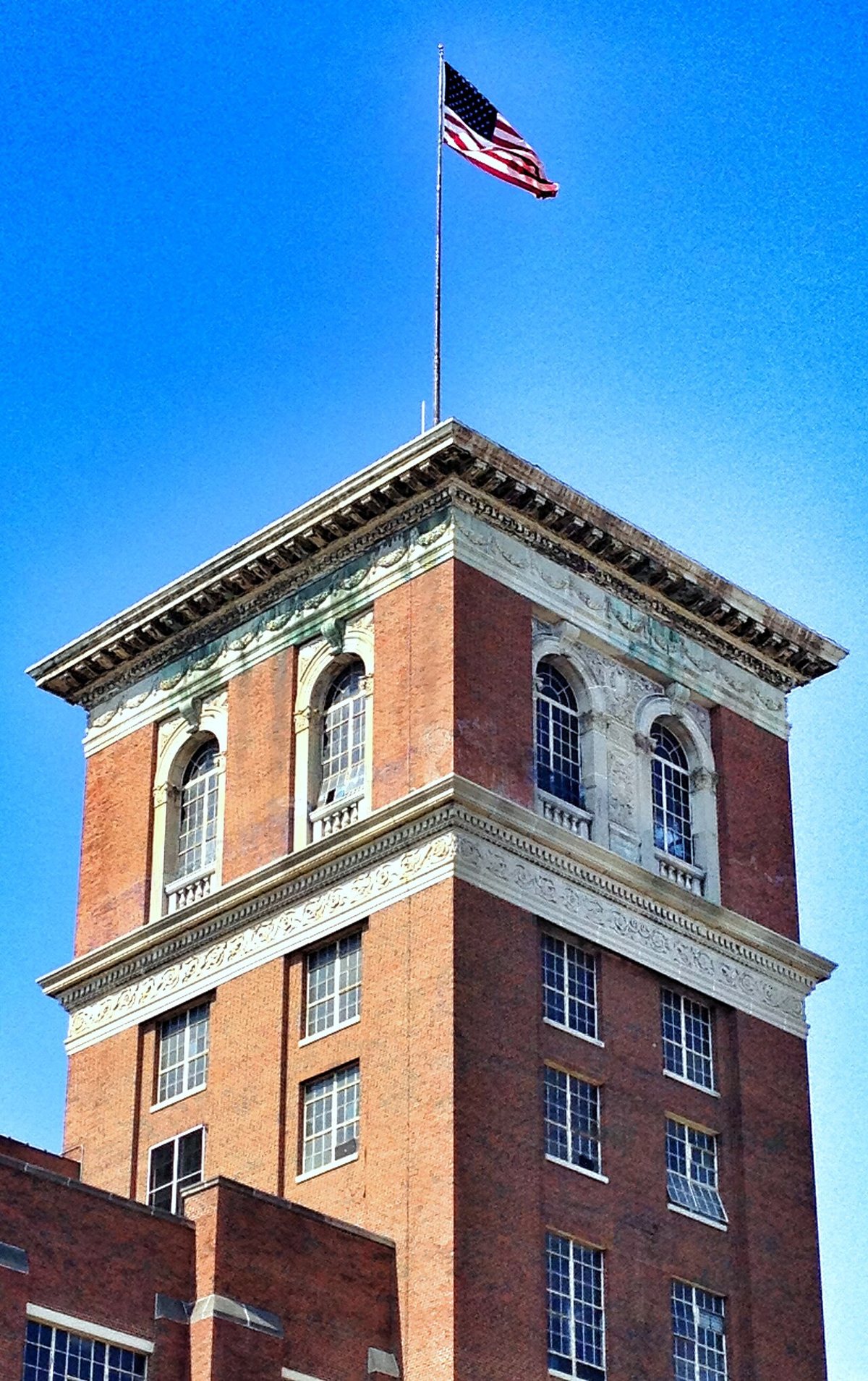
Ponce City Market itself deserves its own stop. It's a converted Sears, Roebuck and Company distribution warehouse turned into a food hall, retail space, and residential building, and it anchors the northern end of the Eastside Trail. The food hall on the ground floor runs the range, biscuits at one counter and ramen at the next, and there's a rooftop area with skee-ball and mini golf that's more fun after a drink than you'd expect from something that sounds like a corporate atrium. Go on a weekday if you want to actually get a table. The insider tip is to skip the main escalators during peak hours and take the freight elevator near the loading dock side, which nobody seems to know about.

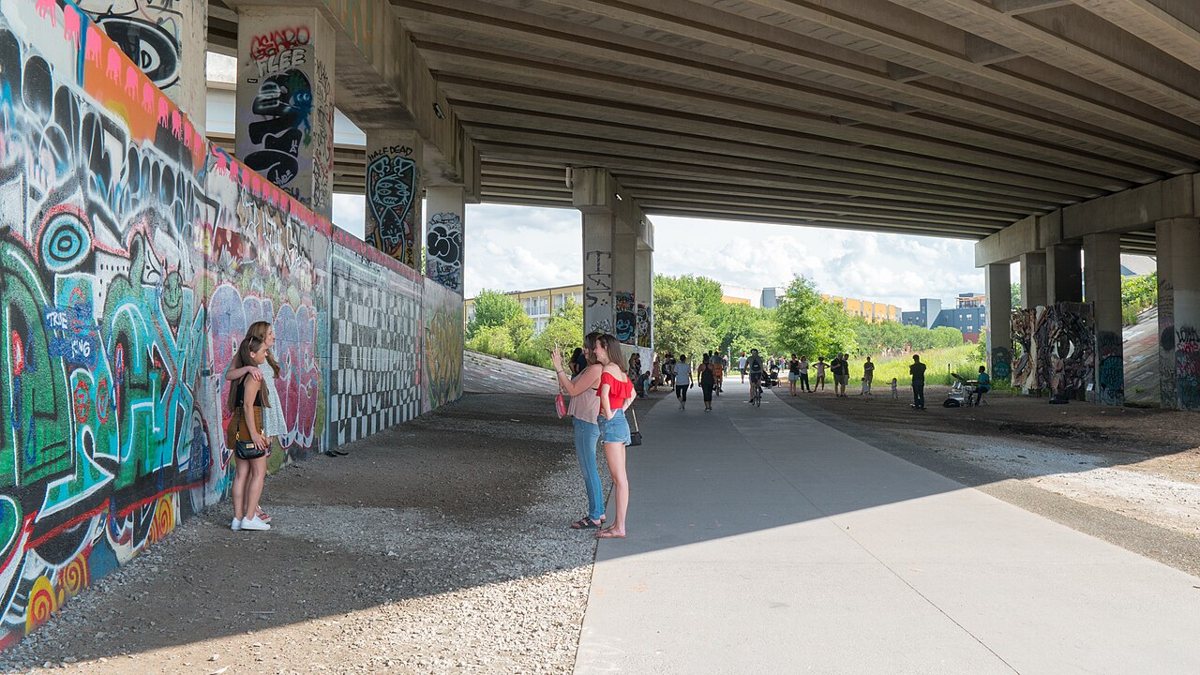
A few blocks off the trail sits Krog Street Market, a smaller, quieter cousin to Ponce City Market, tucked into a former warehouse district at the edge of Inman Park and Cabbagetown. It's less crowded, has a strong coffee and cocktail scene, and the Krog Street Tunnel next door is among the most repainted graffiti tunnels in the Southeast, changing week to week depending on who got there first with a can of spray paint. Walk through it once during the day for the art and once closer to dusk when the string lights come on.
Midtown and Piedmont Park: Where Atlanta Breathes
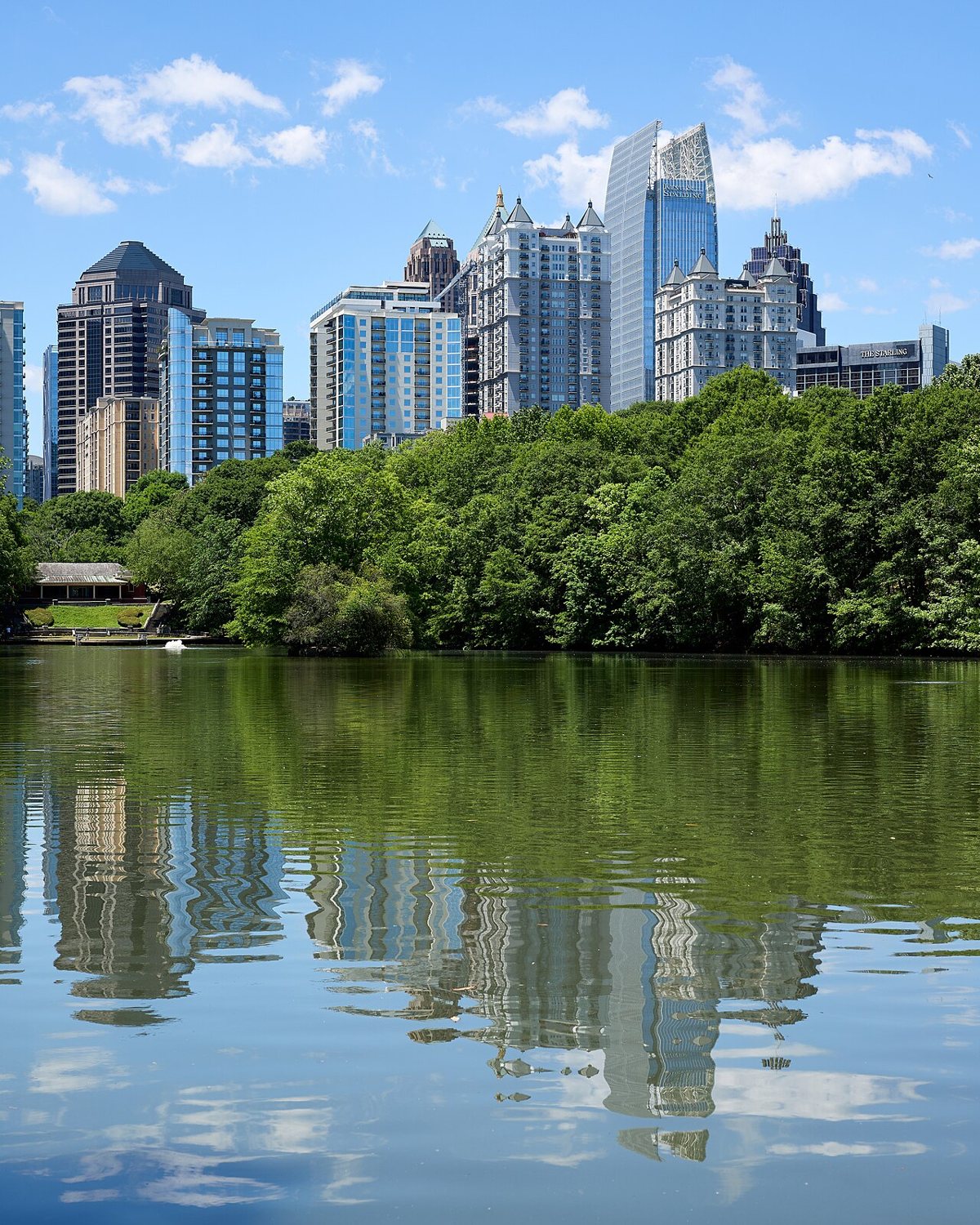
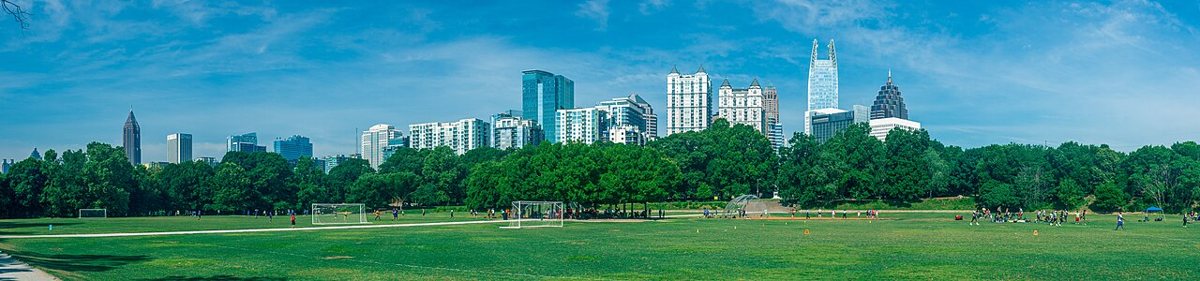
Piedmont Park is Atlanta's great central green space, 185-plus acres bordered by Midtown high-rises on one side and the Atlanta Botanical Garden on the other. It hosts the Dogwood Festival, Music Midtown, and Pride events throughout the year, but on any regular Saturday it's just full of people running the lake loop, playing pickup soccer, or sprawled out with a book near the Botanical Garden's fence line. If you're building a day around the best things to do in Atlanta with kids, this is your anchor point, with playgrounds, an active dog park, and enough shade to survive a July afternoon.

The Atlanta Botanical Garden sits right on the park's northern edge and rewards slow walking rather than a quick pass-through. The Kendeda Canopy Walk lifts you up into the tree line for a different vantage on the whole property, and the seasonal orchid displays and outdoor sculpture installations change enough that even repeat visits feel fresh. Reserve timed tickets in advance during peak seasons, since it does sell out, especially around the holiday lights display in winter.
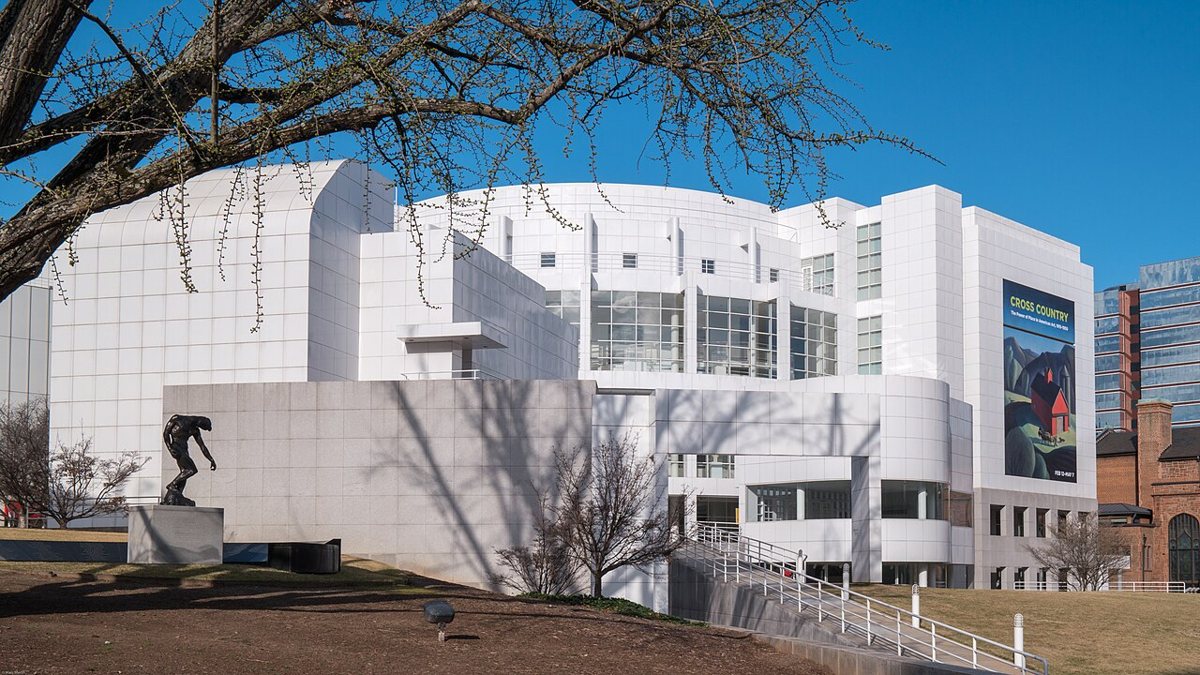
The High Museum of Art, a short walk or MARTA ride from Piedmont Park in the Woodruff Arts Center complex, holds a strong permanent collection alongside touring exhibitions that regularly pull from major national institutions. The building itself, designed by Richard Meier with a later expansion by Renzo Piano, is worth studying from the plaza before you even go inside. If you only have an hour, focus on the folk and self-taught art collection, which is one of the museum's genuine strengths and less crowded than the marquee touring shows.

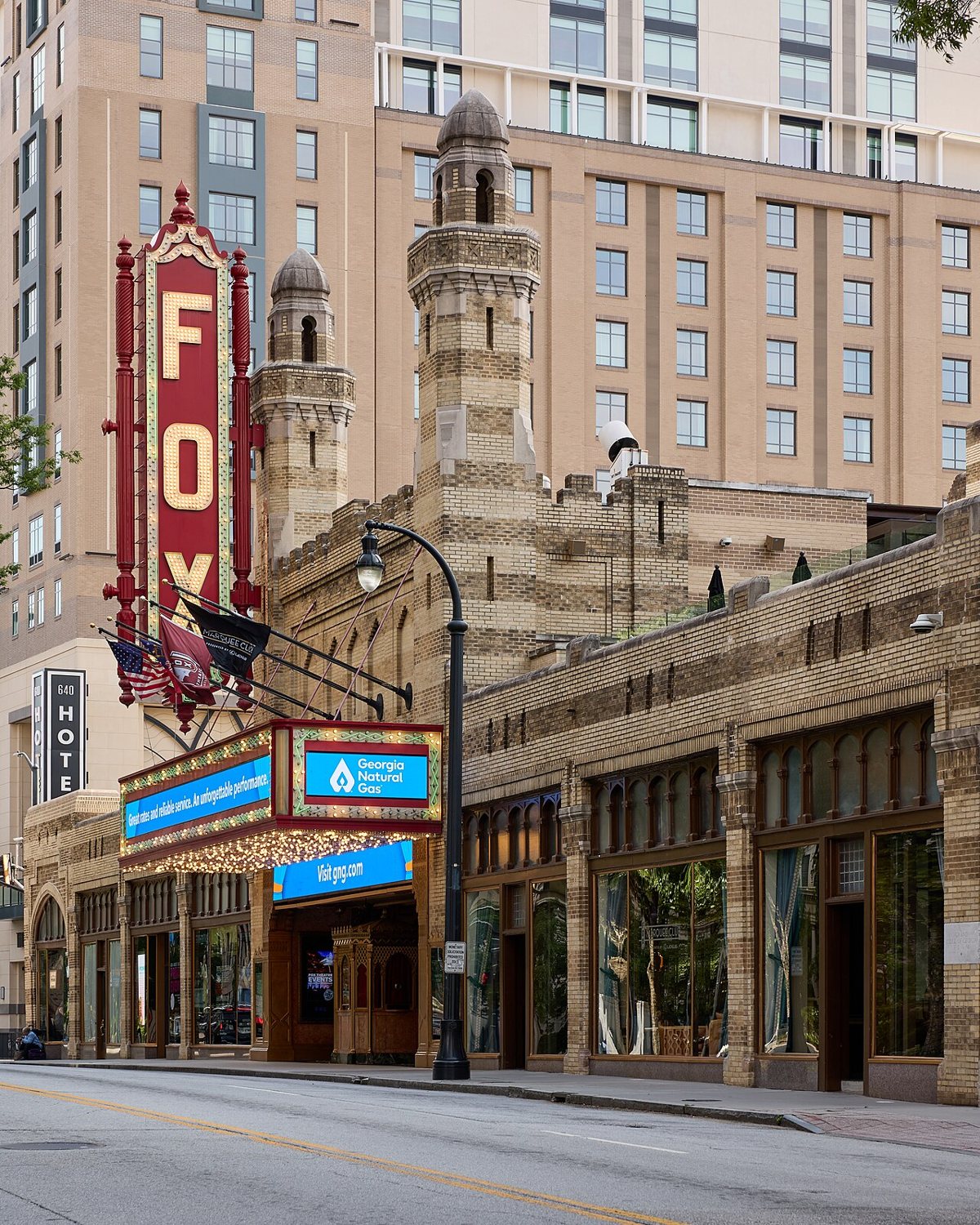
The Fox Theatre, a few blocks south on Peachtree, is one of the grandest surviving movie-palace-turned-performance-venues in the country, built in the 1920s with an elaborate Moorish and Egyptian Revival interior that still gets audible gasps from first-timers when the ceiling's painted stars and drifting clouds light up. Catch a touring Broadway show or a concert here if you can time it, but even a guided tour of the building on a day without a show is worth the detour for the architecture alone.

Sweet Auburn and the Civil Rights Core: Not Optional
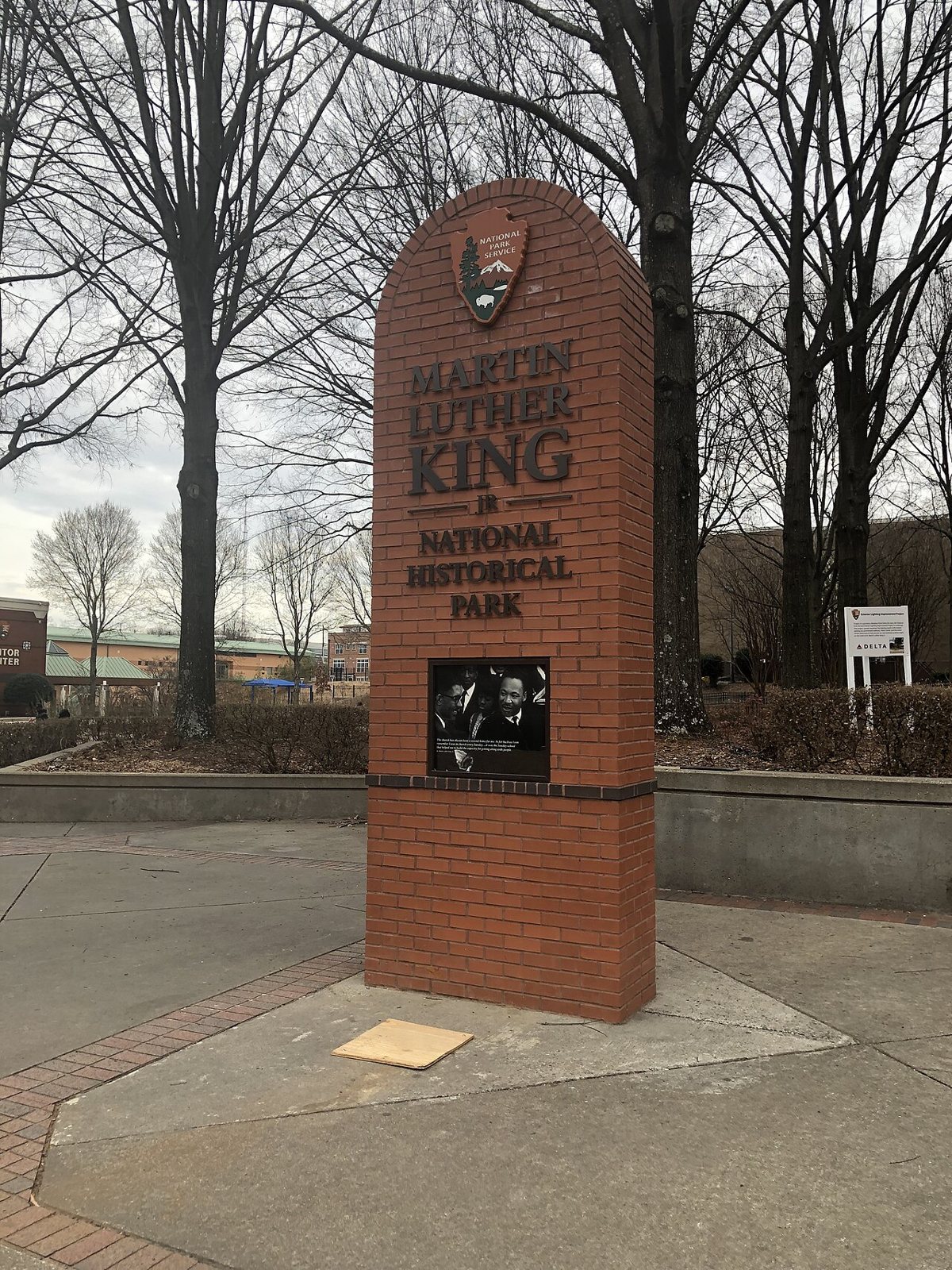
Any honest answer to what to do in Atlanta has to put the Martin Luther King Jr. National Historical Park at the center, not the periphery. This is Sweet Auburn, the historic Black business and cultural district where King was born, where Ebenezer Baptist Church still operates as a working congregation and historic site, and where his tomb sits alongside the eternal flame at the King Center. The National Park Service site is free to visit, and rangers lead tours through King's birth home that require advance reservation because space is limited. Rushing it misses the point. Give it a real morning. Walk the district itself, not just the marked sites, and take in Auburn Avenue as the street it was: a corridor of Black-owned banks, insurance companies, newspapers, and churches during segregation, when Black Atlantans built an entire self-sufficient economy because they had to.

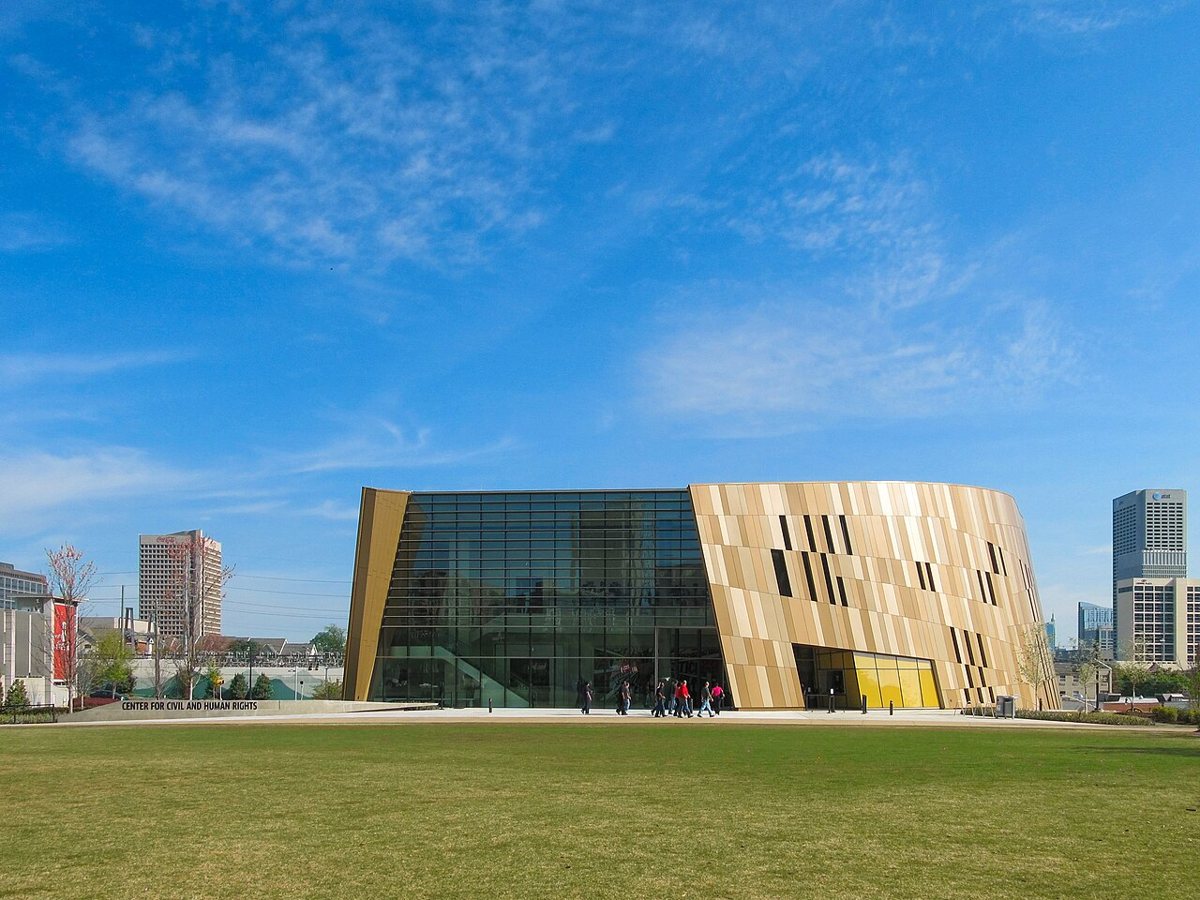
A few minutes away, the National Center for Civil and Human Rights sits downtown near Centennial Olympic Park and extends the story forward and outward, connecting the American civil rights movement to ongoing human rights struggles globally. The lunch counter simulation exhibit, where visitors sit at a recreated segregated counter and listen through headphones to the kind of abuse civil rights protesters actually endured during sit-ins, is deliberately uncomfortable, and it should be. Plan to spend real time here, not a quick pass-through between other stops.

Nearby, the Sweet Auburn Curb Market has operated as a public market since the 1920s, selling produce, prepared food, and goods from a rotating set of vendors under one roof. It's a working market more than a tourist attraction, which is exactly its appeal. Go hungry and walk the stalls before committing to lunch.
The West Side: History and a Different BeltLine Pace
West End is one of Atlanta's oldest neighborhoods and one of its most historically significant Black communities, predating much of what's now considered central Atlanta. The Westside Trail of the BeltLine runs through here with a noticeably different feel than the Eastside Trail: fewer restaurant patios, more residential streets, more of a sense of a trail woven into a neighborhood that existed long before it arrived. It's a good place to understand that the BeltLine isn't one uniform experience but several very different ones depending on which side you're on, and the dining scattered along the trail thins out noticeably as you move west of downtown. The Wren's Nest, historic home of Joel Chandler Harris, and the general architectural texture of West End's Victorian houses give the area a distinct visual identity worth a slow drive or walk even outside a dedicated stop.
Big-Ticket Attractions Worth the Line
Downtown clusters several of the attractions most visitors ask about first. The Georgia Aquarium holds one of the largest collections of aquatic life in the country, including whale sharks and beluga whales in tanks large enough that the scale itself is part of the experience. Reserve timed tickets well in advance, particularly for weekends and school breaks, since it stays among the busiest attractions in the state. The World of Coca-Cola sits right next door, walking visitors through the company's Atlanta origins and letting them sample dozens of Coke products from around the world in the tasting room, which is more fun for adults than it sounds. Mercedes-Benz Stadium, home to the Falcons and Atlanta United, anchors the same downtown cluster and runs stadium tours on non-event days that take you onto the field level and up into the club spaces.


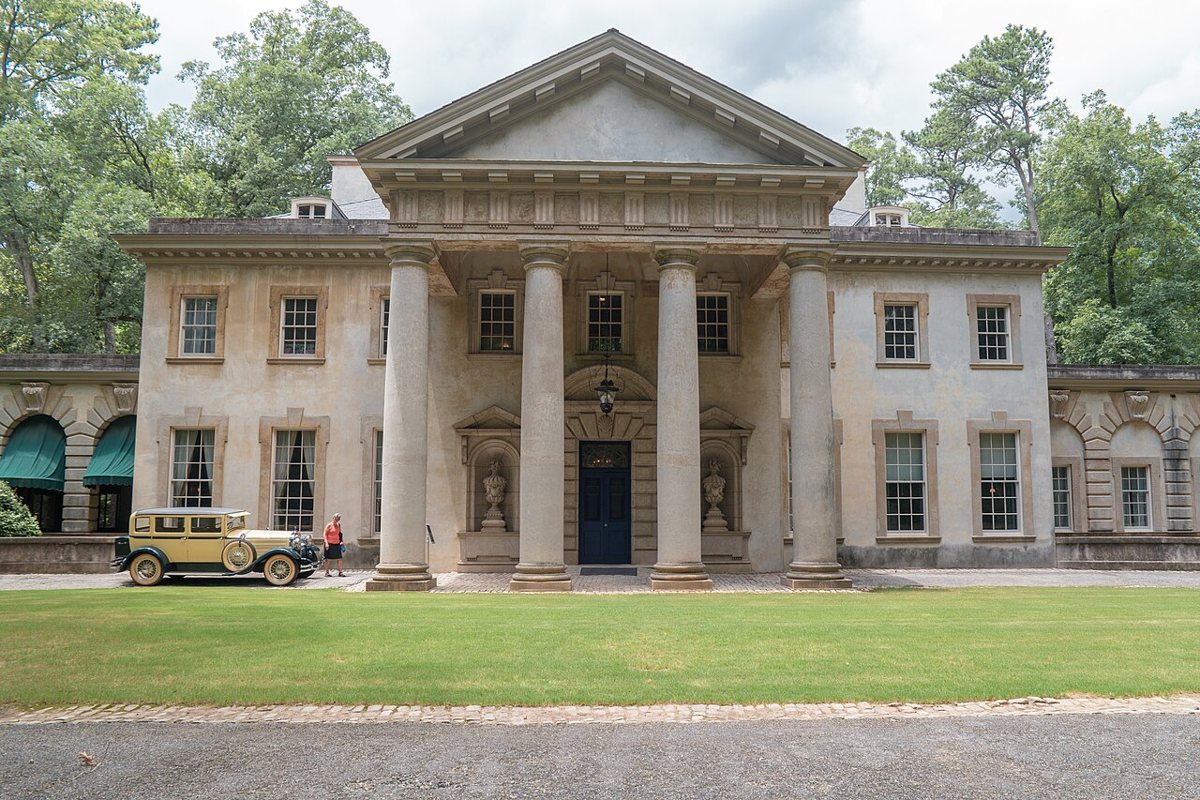
The Atlanta History Center, out in Buckhead, covers more ground than its name suggests, with the Swan House mansion, extensive Civil War-era exhibits handled with real scholarly care, and walking trails through restored gardens and woodland. Give it three or four hours if you want to do it properly. The Jimmy Carter Presidential Library and Museum, closer to downtown, walks through Carter's presidency and post-presidential humanitarian work with an unusually candid tone about the harder parts of his term in office.

OTP Day Trips
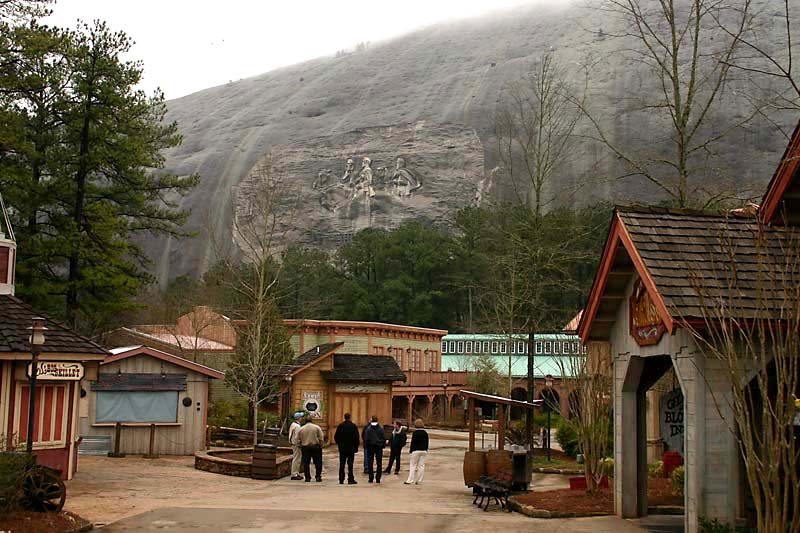
Stone Mountain Park, about a half hour east of the city, is the largest exposed granite monolith in the world and a genuinely striking natural feature, with hiking trails, a cable car to the summit, and lake activities that make it a legitimate day trip for families. It is also carved with a massive Confederate memorial relief depicting Robert E. Lee, Stonewall Jackson, and Jefferson Davis, commissioned in the early twentieth century and tied directly to the second era of the Ku Klux Klan, which held its refounding ceremony atop the mountain in 1915. The carving remains a genuine point of civic tension in Atlanta, and there's no honest way to recommend the park without naming that history rather than letting the hiking trails and laser show distract from it. Come for the geology and the trails if you come, but come with the full picture in mind.

Zoo Atlanta, in Grant Park south of downtown, holds one of the country's most respected animal-care programs alongside a strong reptile and primate collection, and it pairs naturally with a walk through Grant Park's older residential streets. The Center for Puppetry Arts in Midtown, meanwhile, is a genuine oddity in the best way: half museum, half working theater, with an extensive Jim Henson collection alongside touring puppet productions for kids and adults.
For the Art and Culture Crowd
The Michael C. Carlos Museum at Emory University holds an ancient art and antiquities collection that punches well above what most visitors expect from a university museum, including Egyptian funerary artifacts and pre-Columbian pieces. It's free to the public and quiet enough on weekdays that you'll often have entire galleries to yourself.
For a Slower Morning
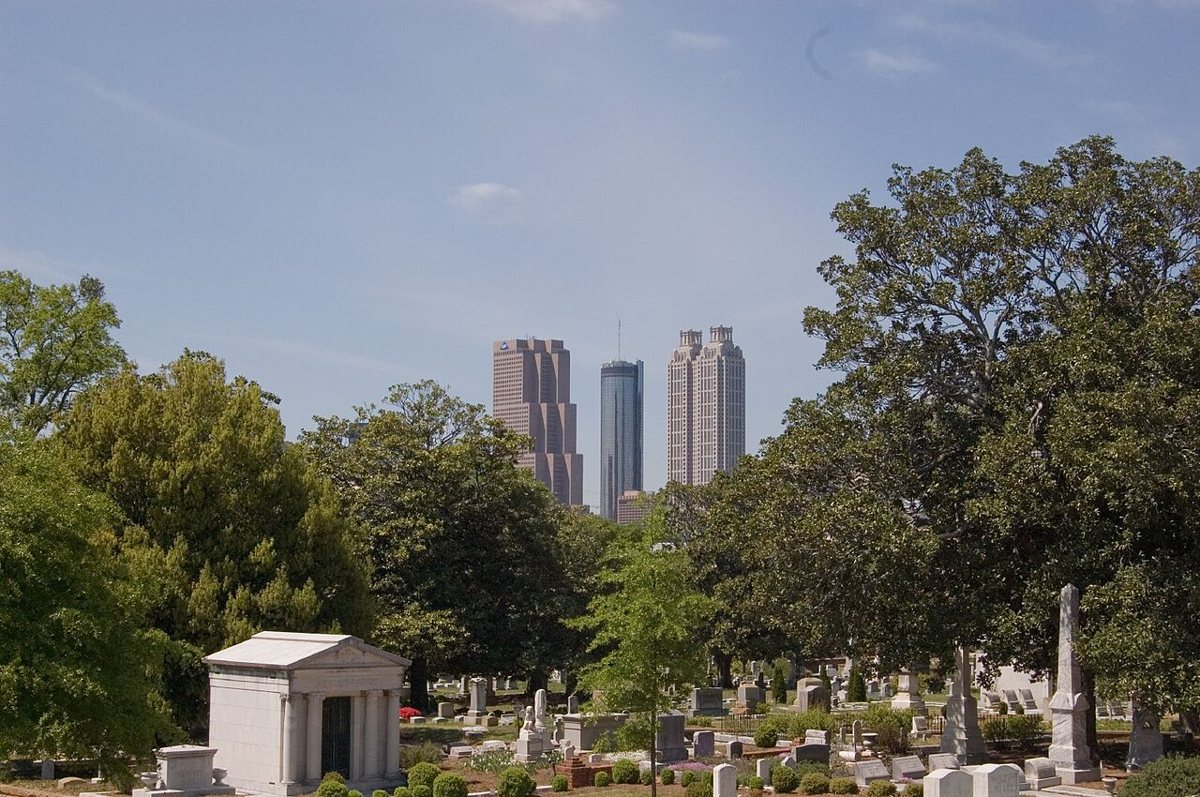
Oakland Cemetery, near Cabbagetown and Grant Park, is Atlanta's oldest cemetery and the resting place of Margaret Mitchell, golfer Bobby Jones, and generations of the city's founding families alongside an African American burial ground that the cemetery's foundation has worked to properly research and mark in recent years. It's free to walk, genuinely peaceful, and one of the better places in the city to sit with Atlanta's layered history without an agenda pulling you along.

When to Come, and What It Costs
Atlanta's calendar shapes a visit more than the weather does. Spring is the city at its best, dogwoods and azaleas everywhere, the Dogwood Festival in Piedmont Park, and mild days that make the BeltLine and the outdoor sites genuinely pleasant before the humidity arrives. Summer is hot and sticky by mid-morning, which pushes the smart itinerary indoors during the worst of the afternoon: the aquarium, the High, the civil rights sites, the Fox on a show night. Fall brings football, cooler evenings, and the best stretch for walking a neighborhood without wilting. Winter is mild by most standards and quieter at the big attractions, with the Botanical Garden's holiday lights as the season's main draw.
Cost splits cleanly into two groups. The civil rights core, the parks, Oakland Cemetery's grounds, the Carlos Museum, and the BeltLine itself run free or close to it, which means a genuinely rich day in Atlanta can cost little more than parking and lunch. The big-ticket downtown attractions, the aquarium and the World of Coca-Cola chief among them, are where the money goes, so it's worth deciding in advance which one or two are worth the ticket rather than trying to pack in all of them. A day that balances one paid marquee stop against a free neighborhood walk tends to leave people happier than a march through every turnstile downtown.
Practical Notes on Getting Around
Traffic here is close to a civic religion, and planning around it matters more than planning around almost anything else. Morning and evening rush hours on the Connector, where I-75 and I-85 run together through downtown, and on I-285 can add real time to any cross-town trip, so building slack into your day is smarter than fighting it.
- MARTA, the city's rail and bus system, connects the airport directly to downtown, Midtown, and several of the attractions above, and it's often faster than driving for anyone staying near a station.
- The BeltLine itself is walkable or bikeable and free, and it's one of the best ways to see multiple neighborhoods without touching a car. If you want a full day of it, a slow ride down the Eastside Trail covers more ground than you'd guess.
- The MLK National Historical Park, Piedmont Park, Oakland Cemetery's grounds, and the Michael C. Carlos Museum are all free or free to enter.
- Reserve timed tickets ahead for the Georgia Aquarium, the Atlanta Botanical Garden during peak seasons, and ranger-led tours at the King birth home, since same-day availability is unreliable.
- ITP versus OTP is more than geography here; it's a genuine cultural shorthand locals use constantly, and knowing which side of the perimeter something sits on will shape how long it takes to get there.
The Bottom Line on the Best Things to Do in Atlanta
I get asked constantly by visiting friends and family what actually matters here, as opposed to what's just on a list. My answer hasn't changed much in fourteen years: give the civil rights sites the unhurried time they deserve, walk a real stretch of the BeltLine instead of just photographing it, and let at least one afternoon go to a neighborhood with no marquee attraction at all, because that's where you'll understand what Atlanta actually is. This city rewards people who slow down enough to notice that the history and the daily life were never separate to begin with.