Summer Things to Do in Atlanta for 2026
From dusk on the BeltLine to the Fountain of Rings and a granite dome just past the perimeter, here is an honest local guide to surviving and savoring an Atlanta summer.
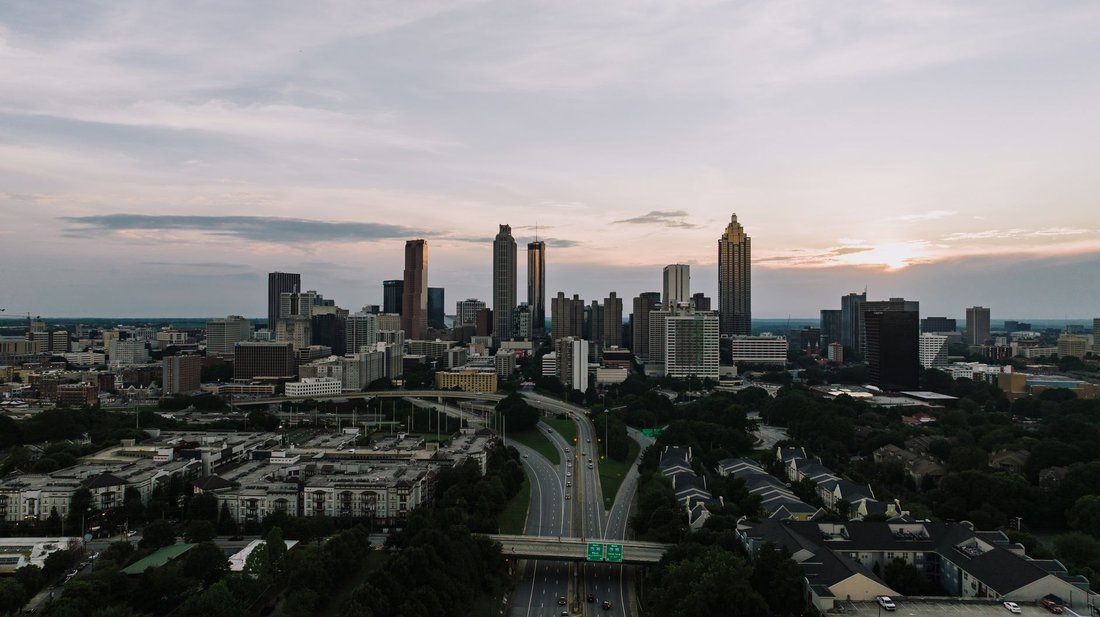
The light goes amber on the Eastside Trail just as the first streetlamps flicker on, and the whole city seems to step out of its front door at once. Cyclists weave around strollers, a dog in a bandana pulls toward the nearest taco stand, and somebody's speaker is playing Frankie Beverly and Maze at a volume the whole block has agreed to tolerate. That hour, repeated across a hundred parks, patios and porches, is the best case for the summer things to do in Atlanta.
Summer here is long and plain about itself. June arrives warm, July and August settle in with humidity you can nearly wear, and an afternoon thunderstorm shows up with the regularity of the Sunday dinner crowd. Locals do not fight this. We build the day around it, saving the outdoor work for the early morning and the long golden evening, and spending the white-hot middle of the afternoon somewhere with a ceiling and a cold glass. This guide is organized the way a resident would plan it, by area, moving from the neighborhoods inside the perimeter to Midtown, then downtown, then the day trips beyond I-285, with a practical section at the end on getting around and staying cool. Nothing here depends on a calendar, so check each place's own site for current hours, tickets and seasonal programming before you go.
The Best Summer Things to Do in Atlanta Start on the BeltLine and in the ITP Neighborhoods
Atlantans say ITP and OTP the way other cities say uptown and the suburbs, and the line between them shapes a lot of summer planning. Inside the perimeter, the neighborhoods are close enough to string together on foot, bike or a short ride, and the BeltLine is the thread that ties many of them together.
The Atlanta BeltLine Eastside Trail
The Atlanta BeltLine is the nearest thing the city has to a shared front porch, a former rail corridor now laid with paved trail that links neighborhoods across the ITP map. The Eastside Trail is the stretch most people mean, running from the edge of Piedmont Park through Old Fourth Ward and on toward Inman Park and the Krog Street area. Murals, sculpture and rotating public art line the route, and so do patios, breweries, ice cream windows and food stalls that make a slow walk feel like a progress through the whole neighborhood. Walking, biking and rolling on the trail is free.
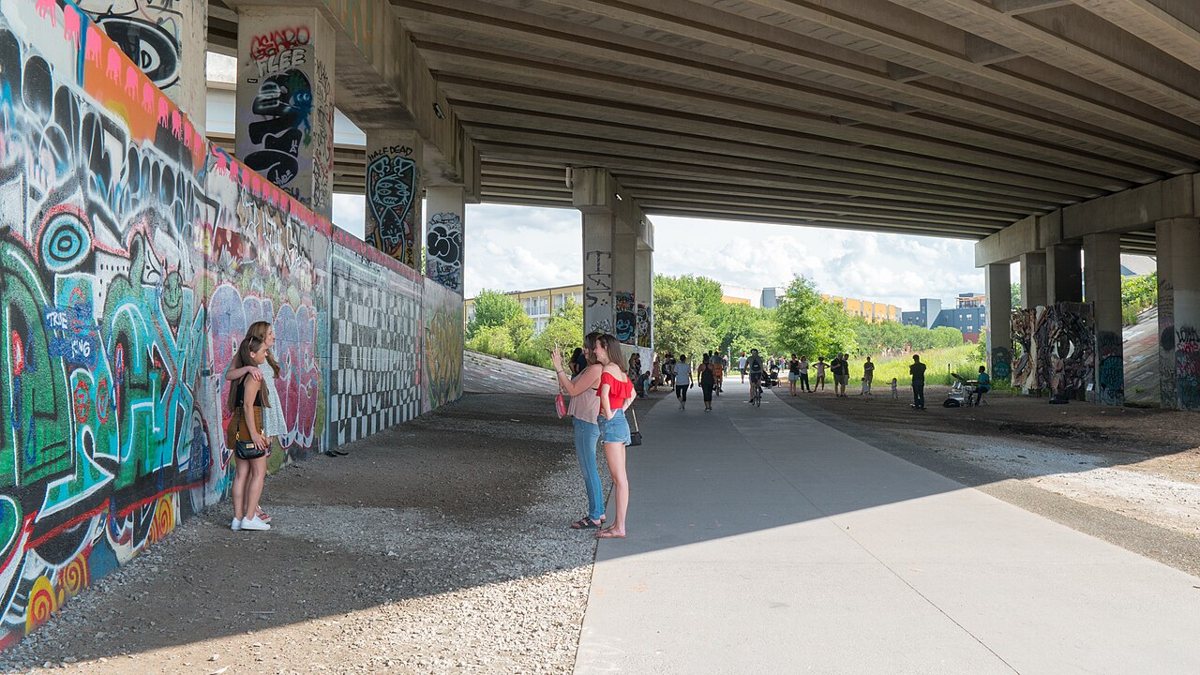

Timing matters more than anything else on the trail. Shade is patchy, the pavement holds heat, and a midday walk in August can feel like a test. Go early for a run or a coffee stroll, or wait for the evening, when the buildings throw long shadows and the crowds turn friendly and unhurried. Weekend evenings are busiest, so a weeknight gives you more room to look at the art. The Krog Street Tunnel, a short underpass covered in layered graffiti and murals that change constantly, is worth a pause on the way through, and Krog Street Market sits close by for something to eat. For a quieter outing, the Westside Trail runs through the neighborhoods west of downtown, including West End, with more neighborhood character and fewer strollers per mile. Carry water on any of these, and wear sunscreen even when the sky looks hazy.
Ponce City Market
Ponce City Market occupies a huge old Sears building in Old Fourth Ward, and it connects directly to the BeltLine, which makes it a natural midpoint for an afternoon that needs a cooling-off period. The ground-floor food hall is the main draw, a long run of counters serving Southern plates, noodles and pastry, and the upper floors hold shops, offices and a rooftop with skyline views and amusements for the kind of grown-up who still wants to play a round of something. It is a place where an air-conditioned lunch turns into three hours without anyone noticing.
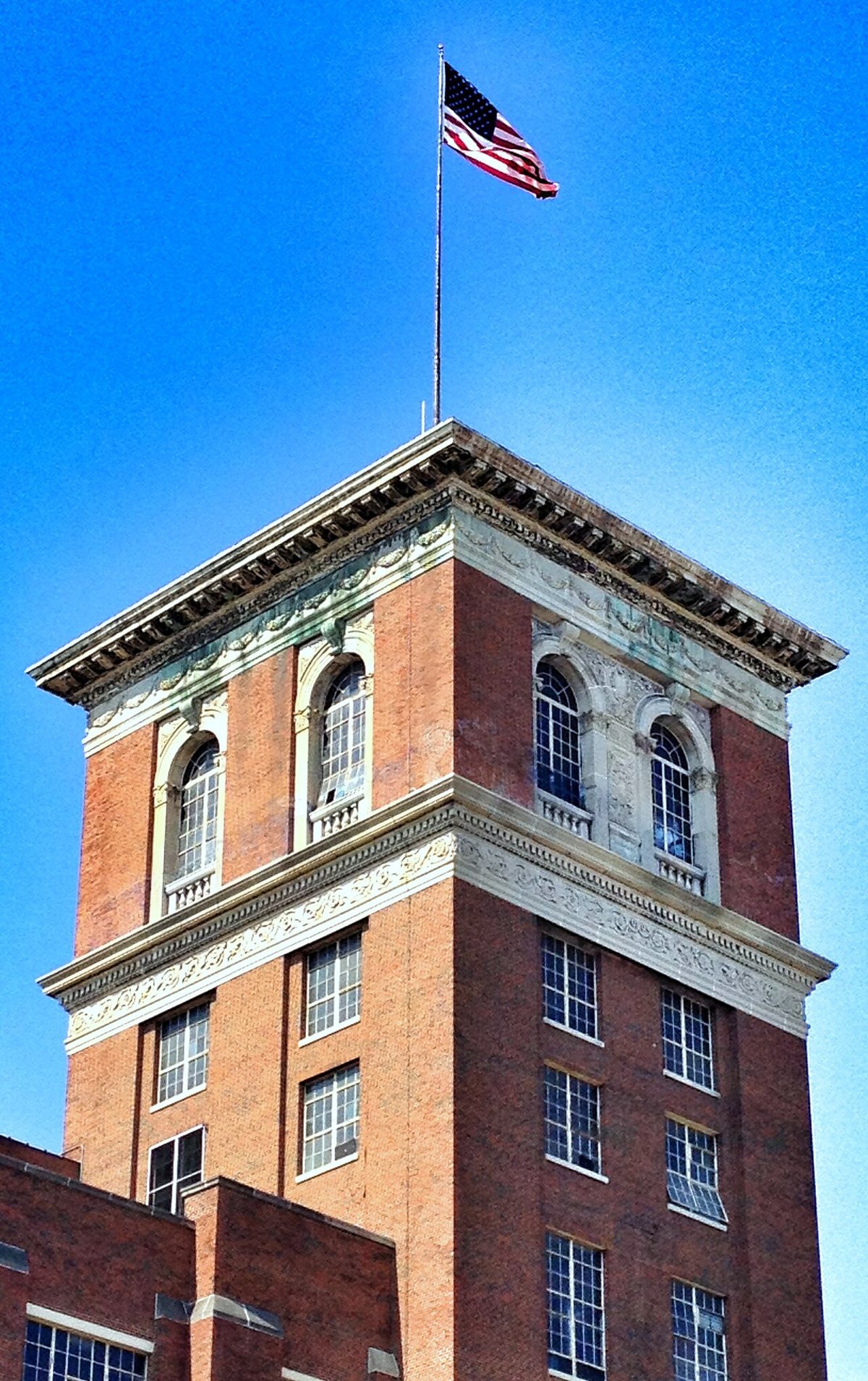

The practical advice is simple. Arrive before the lunch rush if you can, because seating in the food hall fills fast on summer weekends. Parking around the building is tight, so the easier move is to walk in from the BeltLine, arrive by rideshare, or pair the visit with a trail walk and let your feet do the work. The rooftop is the best place in this part of town to watch the skyline change color at dusk, but it is exposed, so the late afternoon sun can be intense. Bring a hat and treat the rooftop as a golden-hour stop. Plenty of visitors spend an entire evening here, moving from dinner to dessert to a lap around the building.
Piedmont Park
Piedmont Park is Atlanta's great communal lawn, close to 200 acres of grass, trees and water at the north end of the BeltLine's Eastside corridor, on the edge of Midtown. Picnic blankets cover the meadow most summer weekends, softball and frisbee games break out without notice, and the open space looking south gives you among the most photographed skyline views in the city. Lake Clara Meer, the dog parks and the playgrounds fill out a day without spending a cent. Entry to the park is free, and a Saturday farmers market runs in season for fresh peaches, tomatoes and baked goods, which is exactly the right Georgia summer shopping list.
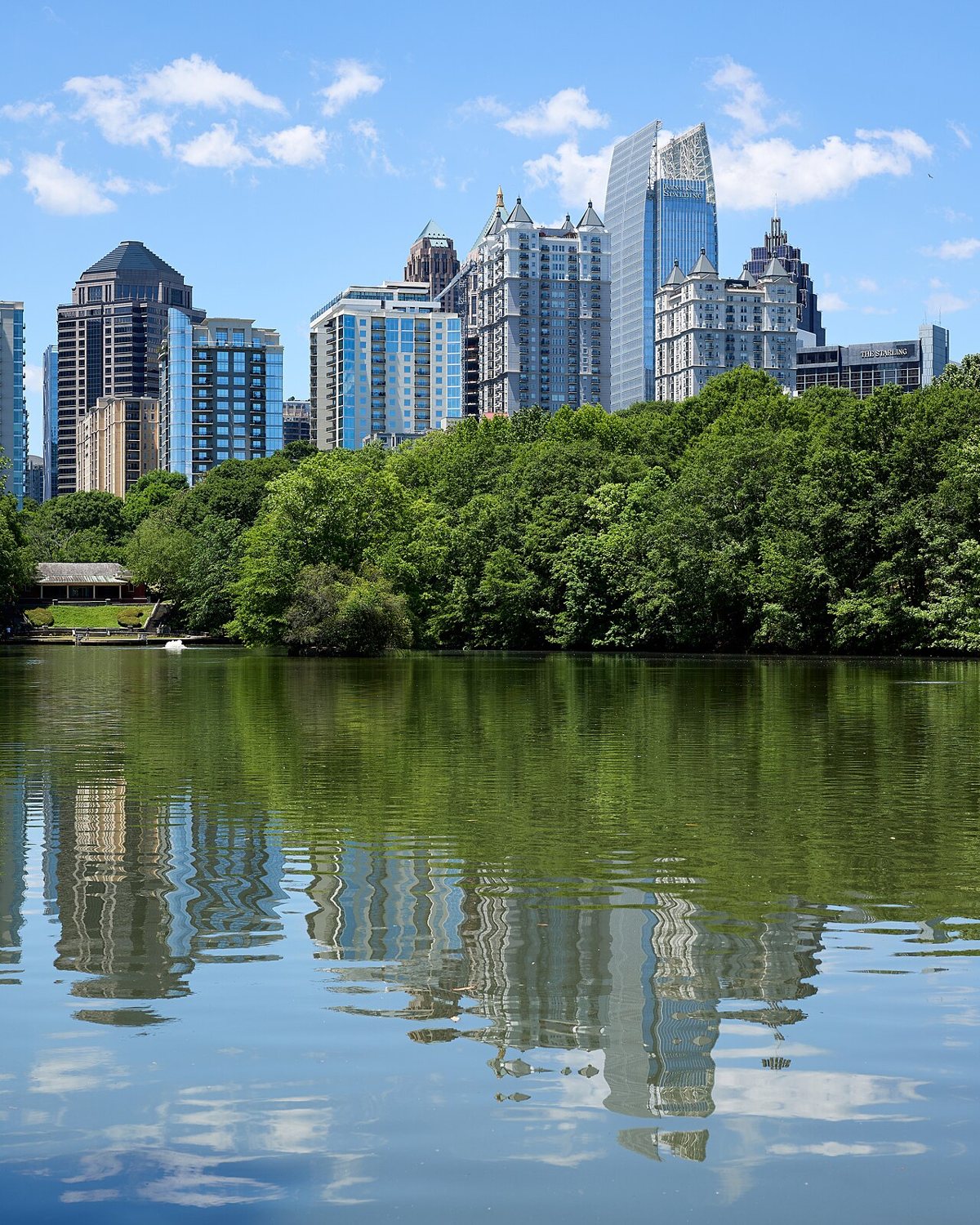

The park rewards patience and punishes noon. The big lawn has very little shade, so claim a spot under the trees along the edges or save the lawn for early morning and late afternoon. Pack a lightweight blanket, plenty of cold water and something to eat, and settle in as the sun slides behind the towers. Sunset from the Great Lawn, with the skyline lighting up in the distance, is the single best free view of the city. If a storm rolls in, move to the cover of the nearby buildings in Midtown or the neighborhood restaurants on the Eastside Trail rather than waiting under a tree.
Midtown: Gardens, Galleries and a Grand Old Marquee
Midtown is Atlanta's arts district, and its summer pitch is easy. The best things to do here hold up in heat, from shaded garden walkways to cool galleries to a movie palace that has survived everything the city threw at it.
Atlanta Botanical Garden
The Atlanta Botanical Garden sits just beside Piedmont Park, and it is the rare place that gets better when the weather gets warm. The Canopy Walk lifts you into the treetops for a view over the garden, the orchid and tropical collections reward patient looking, and the edible garden shows off what a Georgia summer grows when it is not asked to behave. The garden often adds evening events and concerts during the warm months, so check its calendar to see what is current.
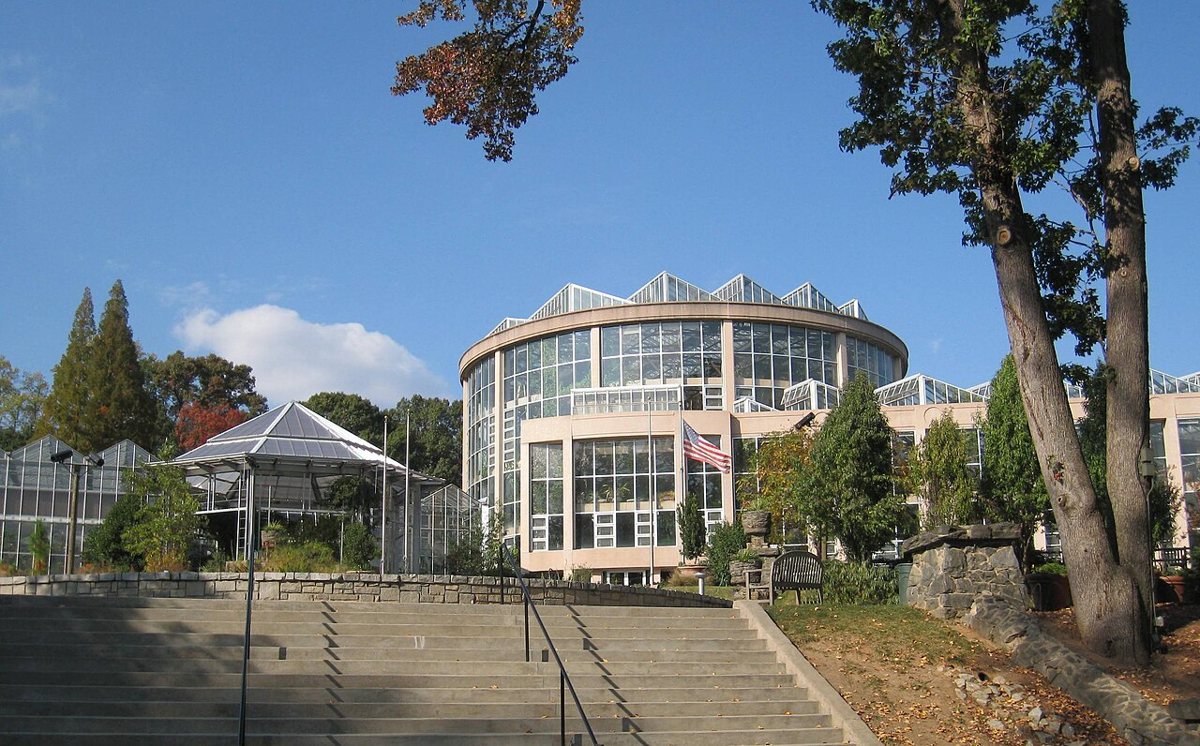

Go on a weekday morning for the best light and the lightest crowds, and plan on walking slowly. Tickets are required, and timed entry may apply during busy periods, so booking ahead on the garden's own site is wise. The indoor conservatory spaces are warm and humid by design, so they are not a refuge from the heat, but they are a lovely change of pace from the open lawns. Carry a water bottle and wear shoes that can handle damp paths. A visit pairs well with a post-garden stroll in Piedmont Park, since the two share a boundary and a mood.
High Museum of Art
The High Museum of Art anchors the Woodruff Arts Center in Midtown and is the city's major art museum, with collections that include American art, African art, folk and self-taught art, photography and a strong body of work by Black artists, reflecting the city's long history as a center of Black culture and creativity. The architecture alone is worth some time, and the galleries are a dependable summer refuge when the sun makes outdoor plans feel foolish.
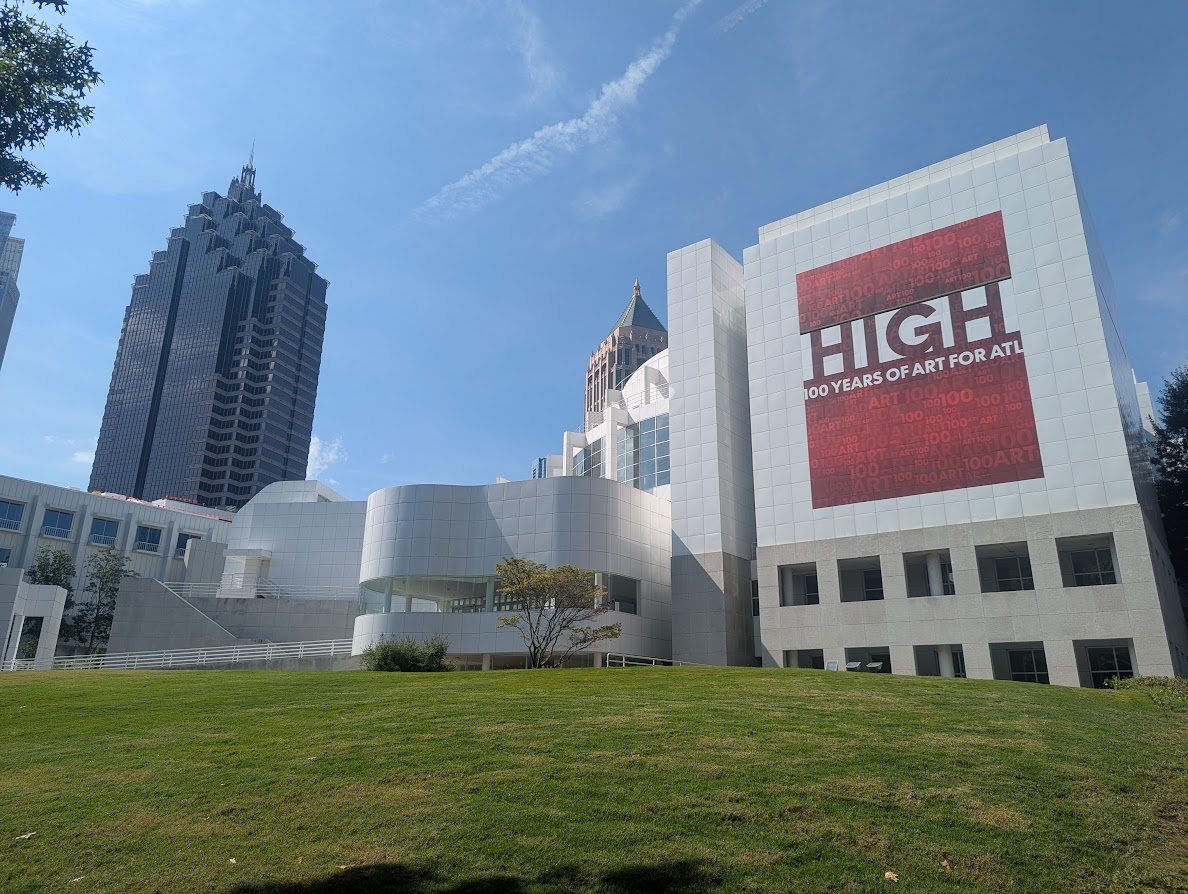

The best strategy is to treat the High as your midday plan. Start with coffee and a walk in the morning, step inside as the temperature climbs, and let two or three hours of galleries carry you past the worst of the afternoon. Look at the museum's website for community programs, family days and any free-admission opportunities, which come and go through the year. The Woodruff Arts Center complex also houses the Atlanta Symphony Orchestra and the Alliance Theatre, so a gallery visit can easily become a full cultural evening if the schedule lines up. Wear layers inside, since the galleries can run cool.
Fox Theatre
The Fox Theatre has stood on Peachtree Street since 1929, a Moorish and Egyptian fantasy of a movie palace with a ceiling painted like a night sky, complete with twinkling stars and drifting clouds. It nearly met the wrecking ball in the 1970s before Atlanta rallied to save it, and the city has treated it as a family heirloom since. The Fox hosts touring Broadway shows, concerts and comedy, and it has long been a summer destination for classic film screenings, with the Mighty Mo organ still rising from the floor before the show.
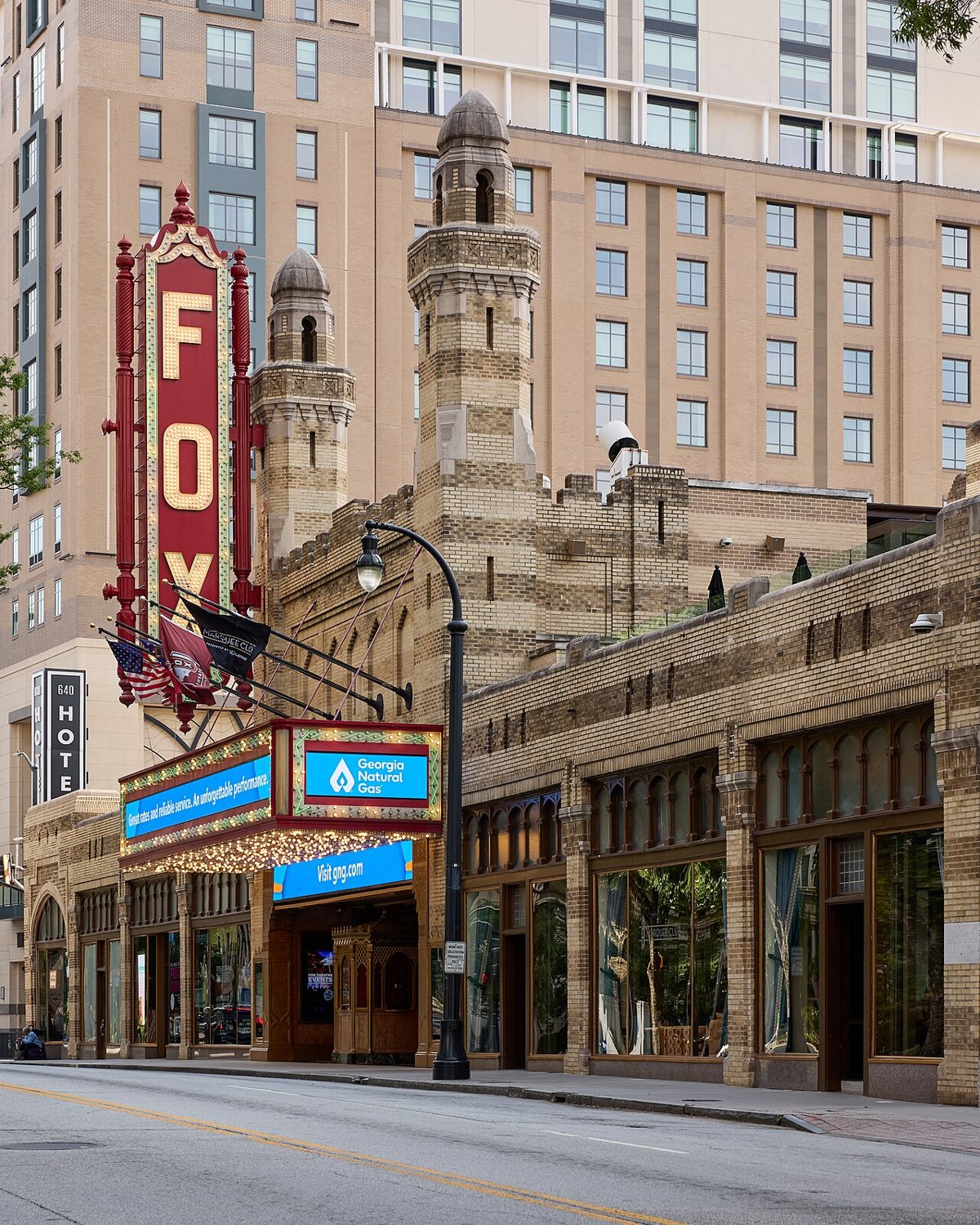

The Fox is an evening and a rainy-day plan in one. Check the calendar for what is on, and consider the tour if you want to see the auditorium and the details without a ticketed show. Arrive early to take in the lobby, because the building is half the performance. Dress for air-conditioning, which runs strong, and keep a light layer in your bag. Midtown's restaurants are a short walk, which makes dinner and a show easy to manage without a car.
Downtown: Fountains, Fish and a Serious Reckoning with History
Downtown gets underestimated by people who have not spent a summer day there, but the cluster around Centennial Olympic Park is one of the easiest walks in the city. Three major attractions sit within a short stroll of one another, which means a downtown day can run all morning without a car.
Centennial Olympic Park
Centennial Olympic Park was built for the 1996 Summer Games and has been the downtown living room ever since. The Fountain of Rings, a plaza of jets arranged in the five Olympic circles, is the park's best-known feature, and on a hot day children and adults alike run through the spray, which is as close to a municipal public pool as downtown gets. The surrounding lawn, the playground and the views of the skyline make it an easy place to spend a lazy hour. Entry to the park is free.

Plan around the heat. The plaza is mostly stone, so by afternoon it radiates warmth, and the best times for the fountains are the morning and the early evening. Pack a change of shirt if you intend to get wet, along with sunscreen for the open lawn. Fountain show schedules and park programming change, so check the park's official site for the current lineup of events. The Atlanta Streetcar and the walkable downtown grid make the park an easy base for reaching other nearby attractions on foot.
Georgia Aquarium
The Georgia Aquarium is among the largest aquariums in the world, and its signature residents are the whale sharks, which glide past a window as big as a movie screen. Beyond the giant tank, the beluga whales, the sea otters and the jellyfish galleries make this the best-air-conditioned day out in downtown Atlanta, a plan that works for adults as well as children. Summer is peak season, so expect company.
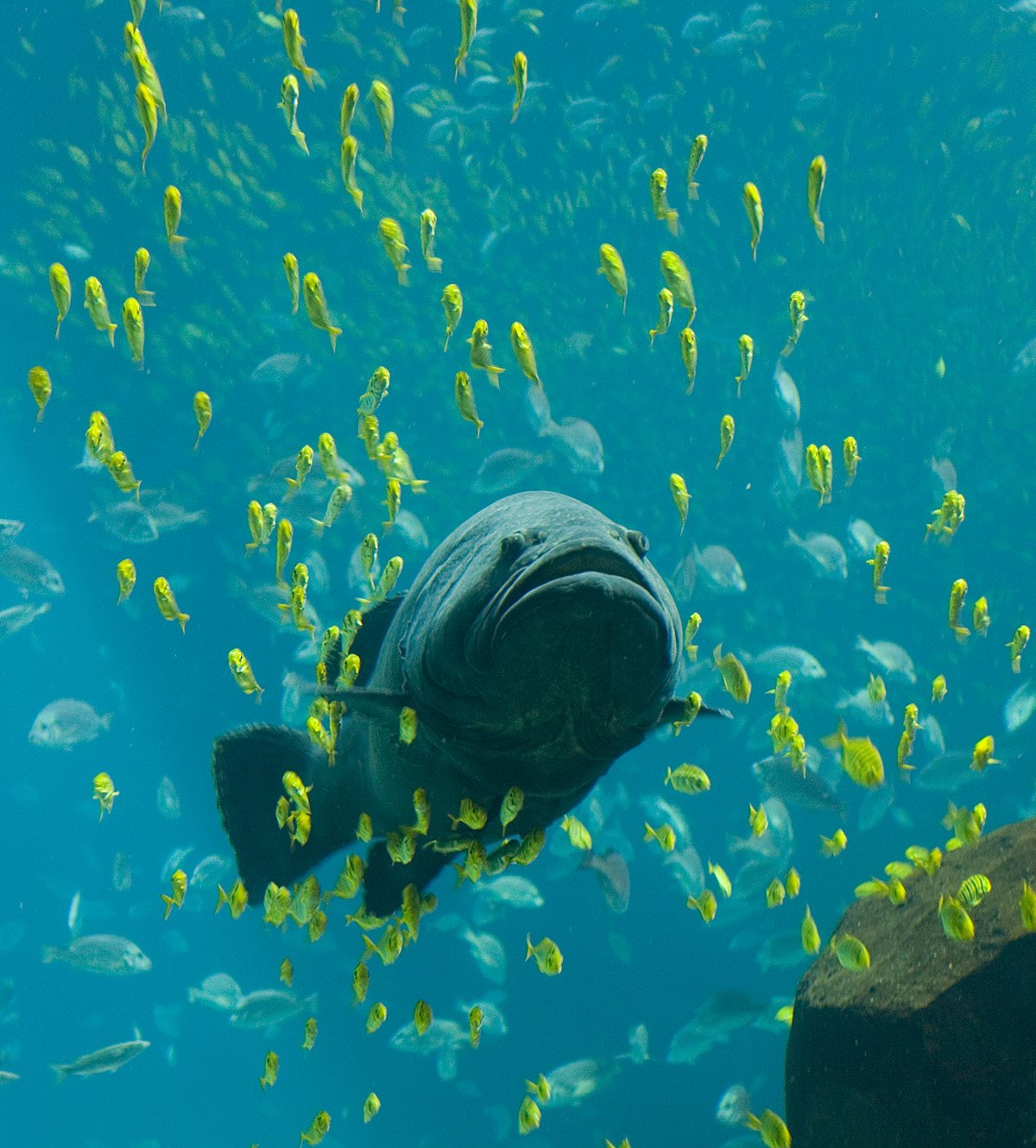

Buy tickets online ahead of time and aim for a weekday if you can, because summer weekends draw some of the biggest crowds of the year. Arriving close to opening time lets you see the major exhibits before they fill, and leaving by early afternoon puts you back in the park in time for a late-day splash in the fountain. Eat before you go in, or plan for a snack outside, since indoor food lines can be long at the busiest times. The aquarium is a smart anchor for a rainy-day plan, too, since a summer thunderstorm leaves you dry and entertained.
National Center for Civil and Human Rights
The National Center for Civil and Human Rights stands across from Centennial Olympic Park, and it is the museum to visit if you want to understand why Atlanta has the standing it does. The galleries tell the story of the American civil rights movement, including a powerful exhibit that places the visitor at a lunch counter during a sit-in, and they place that history alongside the broader global struggle for human rights. The tone is serious, and it should be. This is a place for reflection rather than a photo stop, and many visitors leave quieter than they arrived.
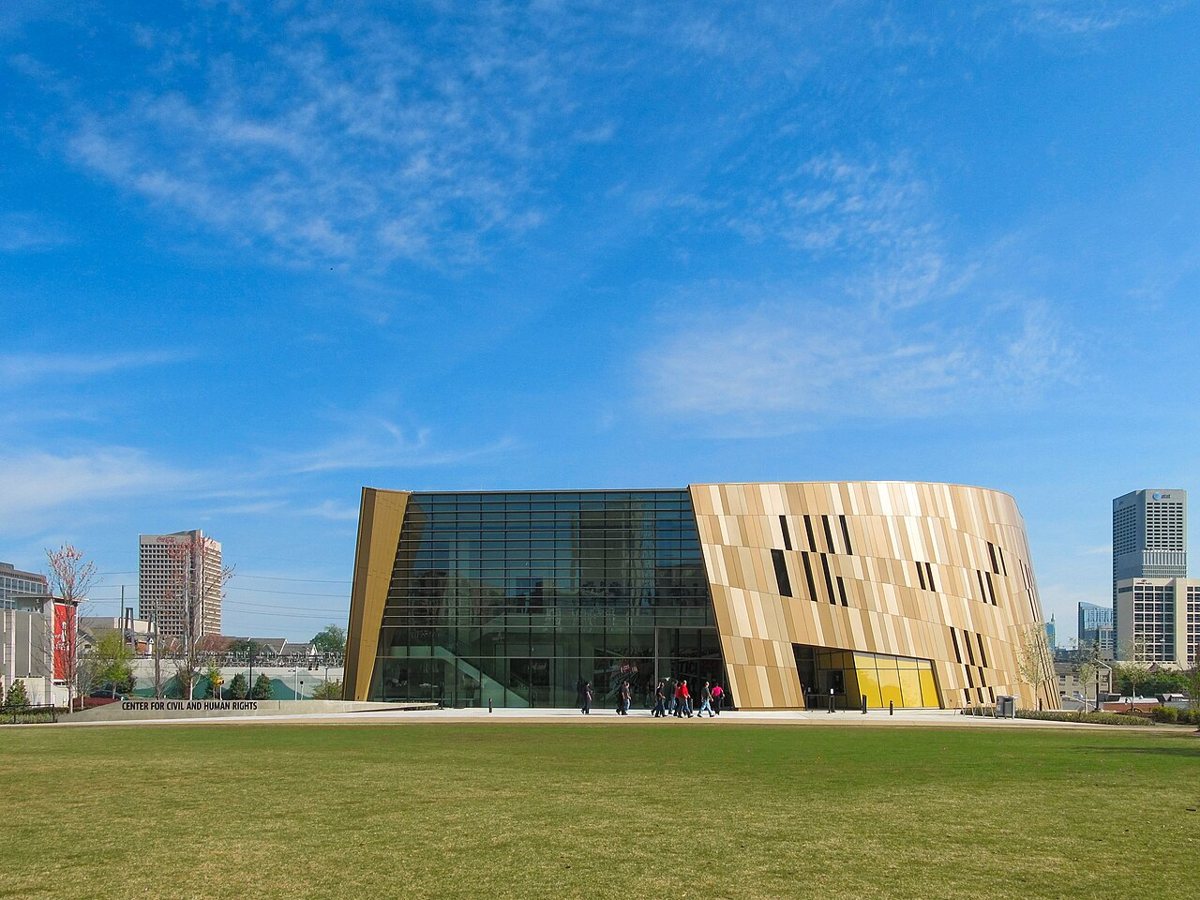

Give the museum unhurried time, ideally in the morning when you are fresh. Check its site for current tickets, hours and any special exhibitions. To follow the story further, head east on the Atlanta Streetcar to the Sweet Auburn neighborhood, home of the Martin Luther King Jr. National Historical Park, which includes the birth home and Ebenezer Baptist Church, and which the National Park Service operates with free entry to many of its areas. The Sweet Auburn Curb Market nearby is a good lunch stop. Atlanta's civil rights history is still the living foundation of the city, not a tourism backdrop, and visiting with that in mind changes how the rest of the trip feels.
Evenings and Day Trips: Chastain Park and Stone Mountain
Some of the best summer things to do in Atlanta happen after dark or just past the edge of the map, and both are worth the planning.
Chastain Park Amphitheatre
Chastain Park Amphitheatre in northwest Buckhead has hosted summer concerts for decades, and it has a tradition all its own. Many regulars bring a full dinner, tablecloth, candles and a bottle of something cold, and set up at the tables near the stage as if the show were an excuse for a very good picnic. The lineup spans soul, rock, country, jazz and comedy across the season, and the setting under the trees makes the heat feel like part of the charm.
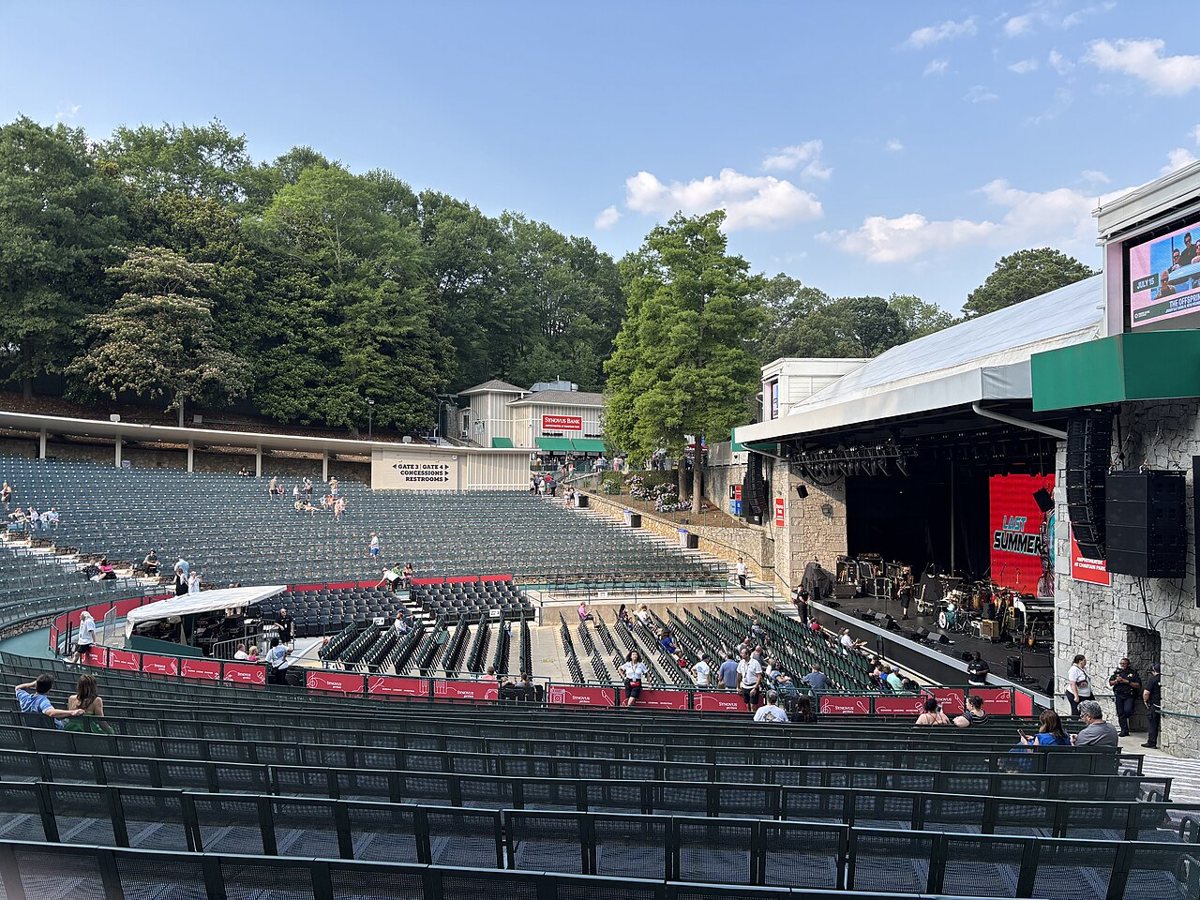

Look at the venue's calendar, since lineups change every season. Plan to arrive early, because the traffic into the park can be slow and the setup is part of the fun. Rideshare is a good option, since parking can take a while. Bring bug spray, a light jacket for the late air and a flashlight to find your way back at the end of the night. Policies on outside food and drink vary, so confirm the current rules on the official site before packing the basket.
Stone Mountain Park
Stone Mountain Park lies just OTP, east of the city, and it centers on an enormous granite dome rising from the Georgia piedmont. The walk-up trail takes you to the summit, and the Skyride cable car offers an easier way up for anyone who prefers to enjoy the view without the climb. The park also has a lake, walking trails, a village area and family attractions that make it a full-day outing. The mountain's carved Confederate memorial is a contested piece of the landscape, and many visitors engage with it as part of Georgia's complicated history, not as a simple scenic backdrop.
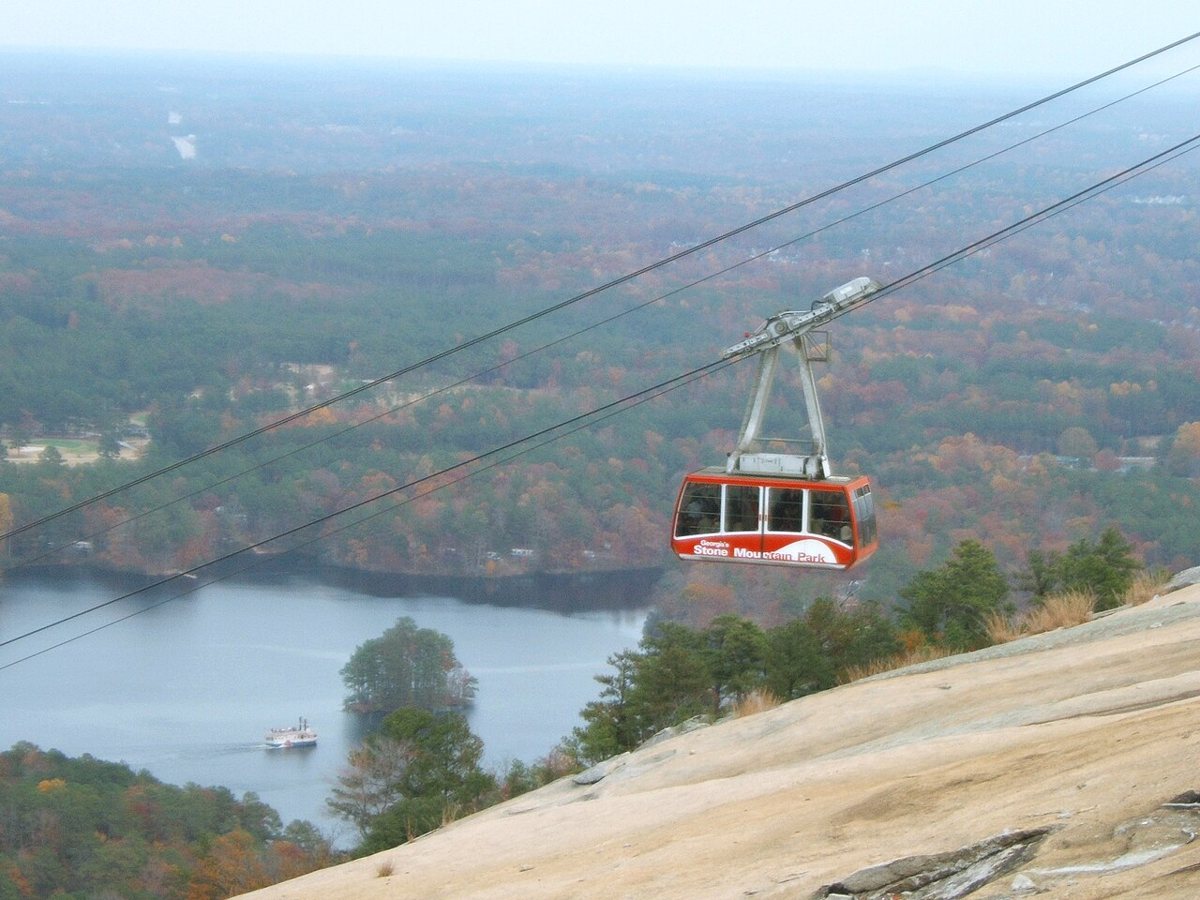

Go early. The granite absorbs heat, and the exposed summit can be punishing by midday, so start the climb as soon as the park opens. Wear real shoes, bring more water than seems reasonable and take your time. Check the park's official site for current entry rules, parking, attraction operations and seasonal programming, since details change. A day here usually includes a lakeside break and a late lunch in the shade, and the drive back toward the city fits nicely with a sunset arrival at one of the Eastside restaurants.
If you have extra time OTP, the Chattahoochee River National Recreation Area offers shaded trails and river access on the northern edge of the metro area, a good cooling plan on a day when the pavement feels like a griddle.
Eating Like an Atlantan in Summer
Food is not a side plan in this city, it is a primary reason to be out. Atlanta eats on a deep Southern tradition, and the best summer meals connect straight back to the Black kitchens that built it.
Start with the signature order, the lemon-pepper wings, which Atlantans order wet, tossed in butter and seasoning and eaten with a stack of napkins. Spots across town argue loudly over who does them best, and the argument is half the pleasure. For soul food, longtime institutions such as Mary Mac's Tea Room in Midtown and Busy Bee Cafe near the Atlanta University Center area have fed the city for generations, with fried chicken, collards, macaroni and cheese, candied yams and peach cobbler at the center of the table. The Sweet Auburn Curb Market is another traditional stop for a meal that tastes like the neighborhood. Sweet tea is the beverage, and it is poured generously.
Waffle House belongs in this conversation as the real Atlanta institution it is. The chain opened its first restaurant in nearby Avondale Estates in 1955, and it has been a late-night and early-morning anchor ever since, a place where every shift gets the same plate of hash browns scattered, smothered and covered. It is so dependable during storms that disaster planners once built an informal index around whether a location is open. Stopping in after a long night out or a long hike is as authentic an Atlanta ritual as anything on a museum wall.
Practical Notes: Getting Around, Beating the Heat and What Costs Nothing
Atlanta is a driving city that has quietly gotten easier to navigate without a car. MARTA, the regional rail and bus system, connects the airport, downtown, Midtown and parts of the north and east sides, and its rail stations put you a short walk from the Fox Theatre, Piedmont Park, the High Museum and the downtown attractions around Centennial Olympic Park. The Atlanta Streetcar loops through downtown and reaches toward Sweet Auburn, which helps for the civil rights sites. The BeltLine is walkable and bikeable, and shared bikes and scooters are common along it. For Stone Mountain and Chastain Park, rideshare or driving is the easier route, and parking near Ponce City Market and Piedmont Park can be hard on summer weekends, so plan on walking the last stretch.
On heat, think in three blocks. Do the outside work in the early morning, when the air is as cool as it will get and the trails are quiet. Move indoors from late morning through the afternoon, to the High Museum, the Georgia Aquarium, the National Center for Civil and Human Rights, the food hall at Ponce City Market or a movie at the Fox. Return outside for the evening, when the BeltLine, Piedmont Park and the Chastain lawns are at their best. Carry water everywhere, wear sunscreen, and take afternoon thunderstorms seriously. If you hear thunder, leave open lawns and exposed trails for shelter.
The long list of free things to do is one of the best parts of a summer here. The BeltLine, Piedmont Park, the grounds of Centennial Olympic Park and the Martin Luther King Jr. National Historical Park all cost nothing to enter, and a Saturday at the Piedmont farmers market is as good as any ticketed attraction. Museums, the garden, the aquarium and the amphitheater require tickets, so check each official site for current details before you go.
The Honest Way to Do an Atlanta Summer
Atlanta does not reward a checklist. The visitors who leave happiest are the ones who pick a neighborhood, give it a full evening and let the city come to them. A BeltLine walk that turns into dinner at Ponce City Market, a Piedmont Park sunset that ends with ice cream on the Eastside Trail, a morning at the civil rights center followed by a slow lunch on Auburn Avenue, a Chastain concert with a picnic spread across the table: those are the days that stay with you.
My own view, after fourteen summers in Kirkwood, is that the best plan balances the shiny and the serious. See the whale sharks and the skyline, yes, and spend real time at the places that explain why Atlanta became the cultural capital of Black America and the civil rights movement's home. Eat the wings and the greens and the peach cobbler. Skip the middle of the afternoon outdoors. Come back at dusk, when the light is gold and the whole city walks out to meet it. That is the only summer plan that has never failed me.