Spring Things to Do in Atlanta You Shouldn't Miss
Pollen coats the windshields, the dogwoods light up the tree line, and Atlanta remembers it has legs again. Here's where to spend the season before the humidity shows up and ruins everything.
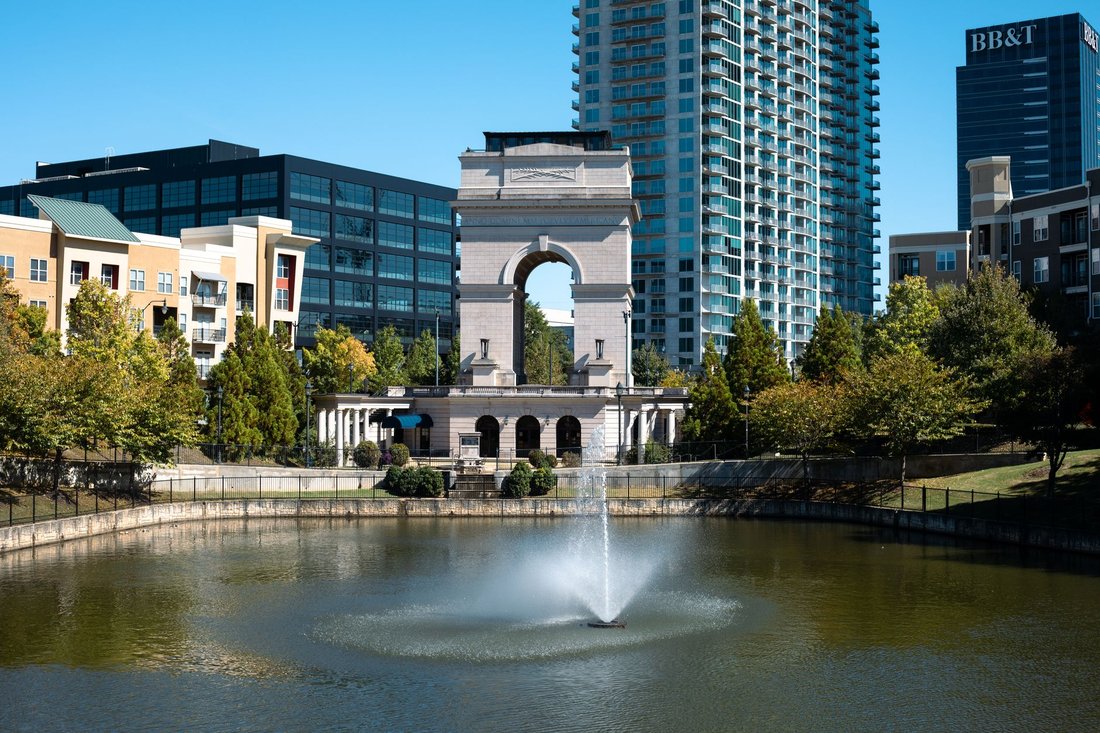
Somewhere around the second week of March, a Kirkwood front porch turns yellow overnight. Not the grass, not the shutters, the actual air, a fine dusting of pine pollen that settles on car hoods and porch rails and makes every windshield look like it's been dipped in mustard powder. That's the starting gun. People here start swapping notes on spring things to do in Atlanta almost as soon as that yellow film shows up, because everybody knows the window is short and nobody wants to waste it indoors. Within days the dogwoods along Cascade Road and the azaleas banked up around the Ansley Park mansions go off like flares, white and hot pink against still-bare oaks, and the whole city seems to remember all at once that it has a body and that body wants to be outside. This is the good stretch, the weeks between the last hard freeze and the first miserable humid afternoon, and Atlantans treat it like a countdown, marking it off the way other cities mark foliage season or the first snow. The trick isn't finding things to do, the city hands you a hundred of them without trying. The trick is getting to the right ones, in the right order, before the pollen clears and the heat locks back in for the summer.
Spring Things to Do in Atlanta: The Parks and Gardens Everyone Actually Uses
Piedmont Park is the one out-of-towners photograph, and honestly, they're right to. The Meadow fills in green by late March, dogwoods and cherry trees frame the Midtown skyline, and by April the lawn is a patchwork of picnic blankets, slacklines, and dogs that have clearly never met a leash law. It's ITP in the fullest sense, a five-minute walk from the Beltline and the Old Fourth Ward, and it's also home to the Atlanta Dogwood Festival, which has claimed a spring weekend in the park for decades with fine art vendors and live music under trees that are, appropriately, actual dogwoods. Insider tip: skip the 10th Street entrance on a warm Saturday, it's a scrum, and come in instead from Piedmont Avenue near the Active Oval, where there's more shade and fewer strollers stacked six deep. The dog park draws its own regular cast of characters most mornings, and the lake path on the park's western edge tends to stay quieter than the Meadow even at peak bloom, which makes it a decent fallback if you're chasing a picture without three hundred other people in the frame.
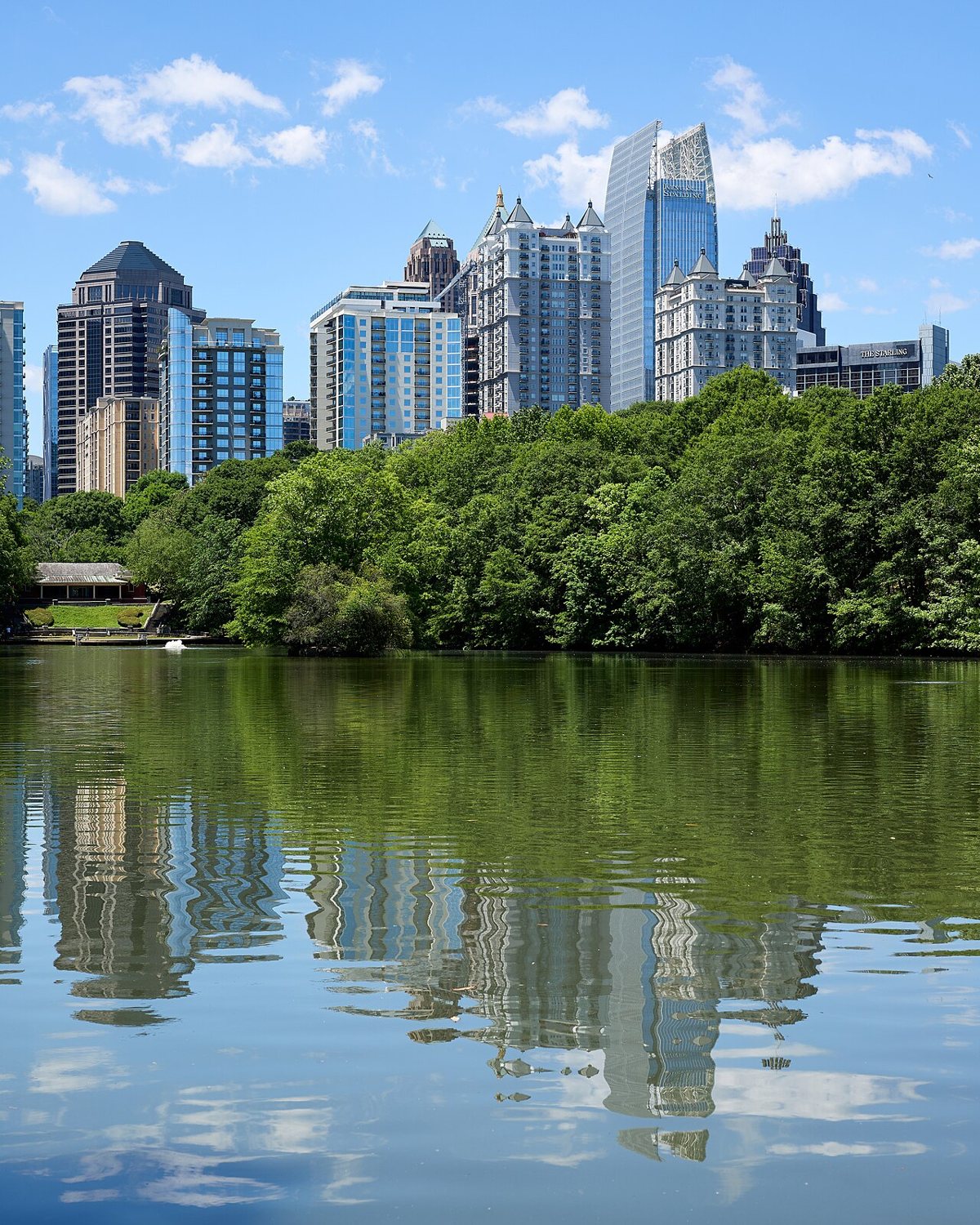

Right next door, practically an extension of the park, the Atlanta Botanical Garden turns into its best self in spring. The orchid displays move outdoors, the earth-toned sculptures in the Fuqua Conservatory get upstaged by actual flowering dogwood and redbud, and the Skyline Garden blooms in waves timed almost exactly to the season's shift from cool to warm. This is a paid garden inside a free park, which trips up first-timers, so budget accordingly. What to do here in April specifically is walk the Canopy Walk at midday when the light comes through new leaves instead of bare branches, a completely different experience than the same walk in January. Neighborhood-wise this is Midtown, walkable from the Arts Center MARTA station, no car necessary. Members skip the line entirely, and if you're visiting more than once a year the membership pays for itself faster than most people expect, since spring alone tends to justify two or three trips as different beds peak on their own schedule.
The Atlanta BeltLine Is Where Spring Actually Happens
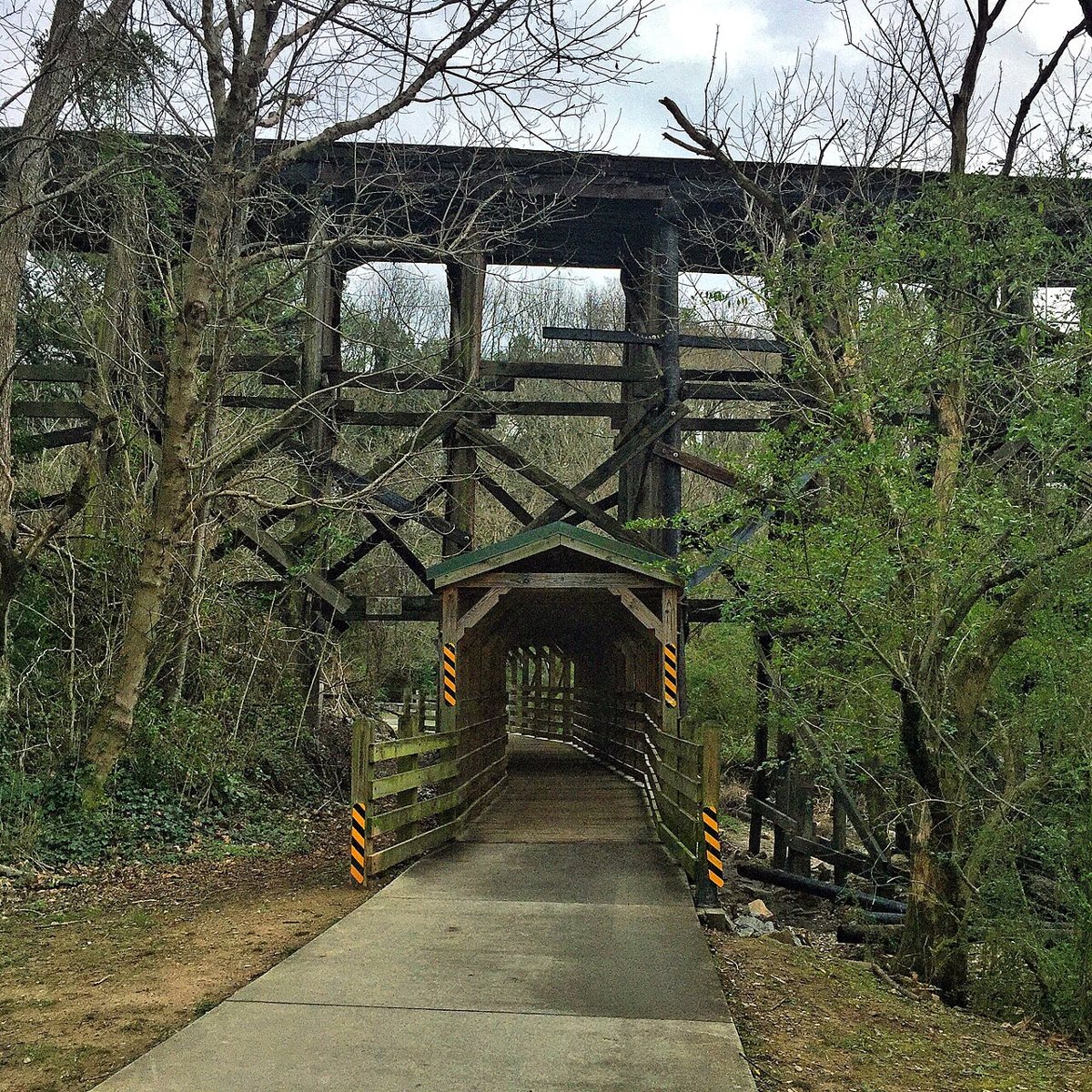
No spring guide to this city gets far without the Beltline, because the Beltline is where Atlanta does its living in March and April. The Eastside Trail, the busiest and most finished stretch, runs from Piedmont Park down through Old Fourth Ward and Inman Park to Reynoldstown, and on a warm Saturday it functions less like a trail and more like the city's front porch. Cherry trees and Bradford pears (much maligned, still pretty for two weeks) line sections of the path, muralists refresh the underpass walls, and every brewery patio within a block of the trail fills up by early afternoon. The move is to walk or bike it in the morning before the crowds thicken, then loop back for lunch. This corridor threads through several ITP neighborhoods at once, which is part of the appeal, you can start in Midtown and end up in Reynoldstown having barely noticed the transitions. Renting one of the shared bikes docked along the trail is usually faster and cheaper than parking near any of the popular access points, and it solves the real problem with the Eastside Trail on a nice weekend, which is that everyone else had the same idea and the sidewalks near the Krog Street Tunnel can back up like a crosswalk during rush hour.

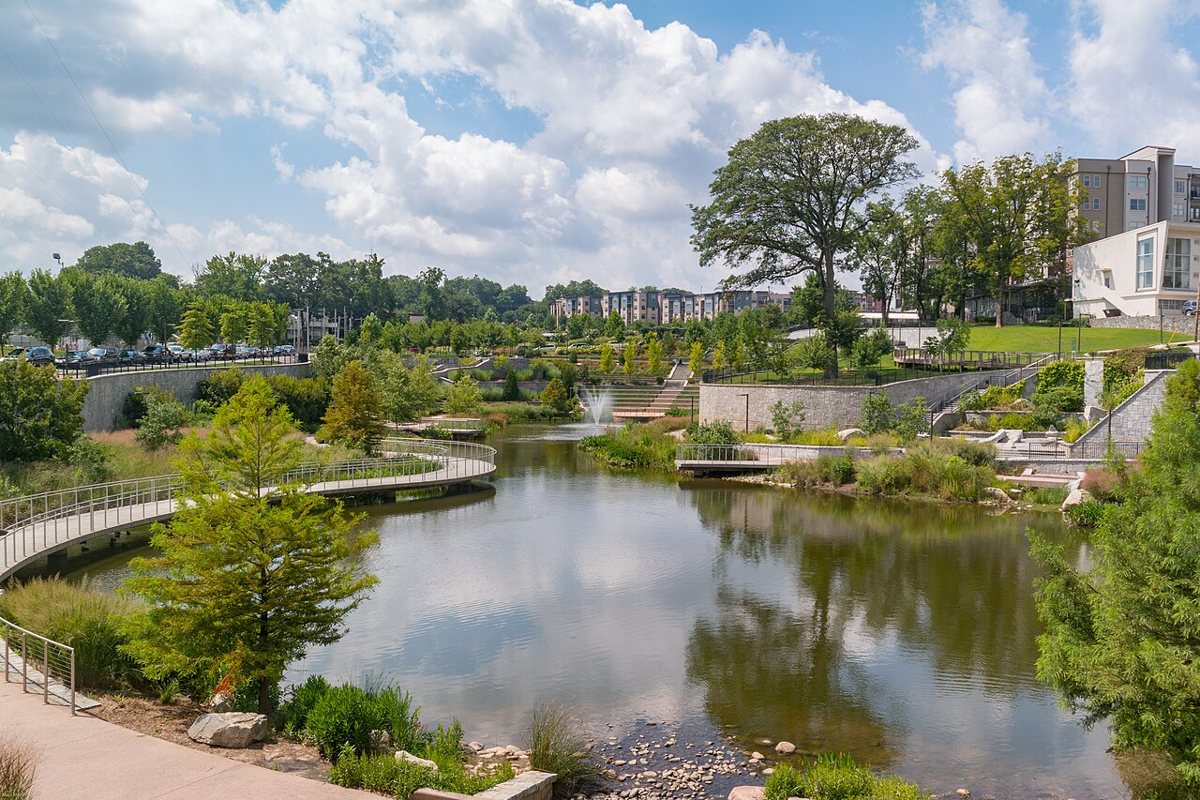
Historic Fourth Ward Park sits at almost the exact midpoint of that walk, and it deserves its own stop rather than a glance from the trail. The park's stormwater pond, once a genuinely troubled piece of infrastructure, now anchors an amphitheater lawn that spring turns into an unofficial community backyard. Families spread out for birthday parties, the splash pad opens for the season once it's warm enough, and the skyline view back toward Downtown gets a soft frame of new tree growth. It's a small park, easy to underestimate, but it's the kind of place where you understand what the Beltline was actually supposed to do for this city. Grab a coffee from one of the shops along Ralph McGill Boulevard first and take it down to a bench near the pond, especially early on a weekday, before the after-work crowd claims the good grass.

Patio Season, Market Season
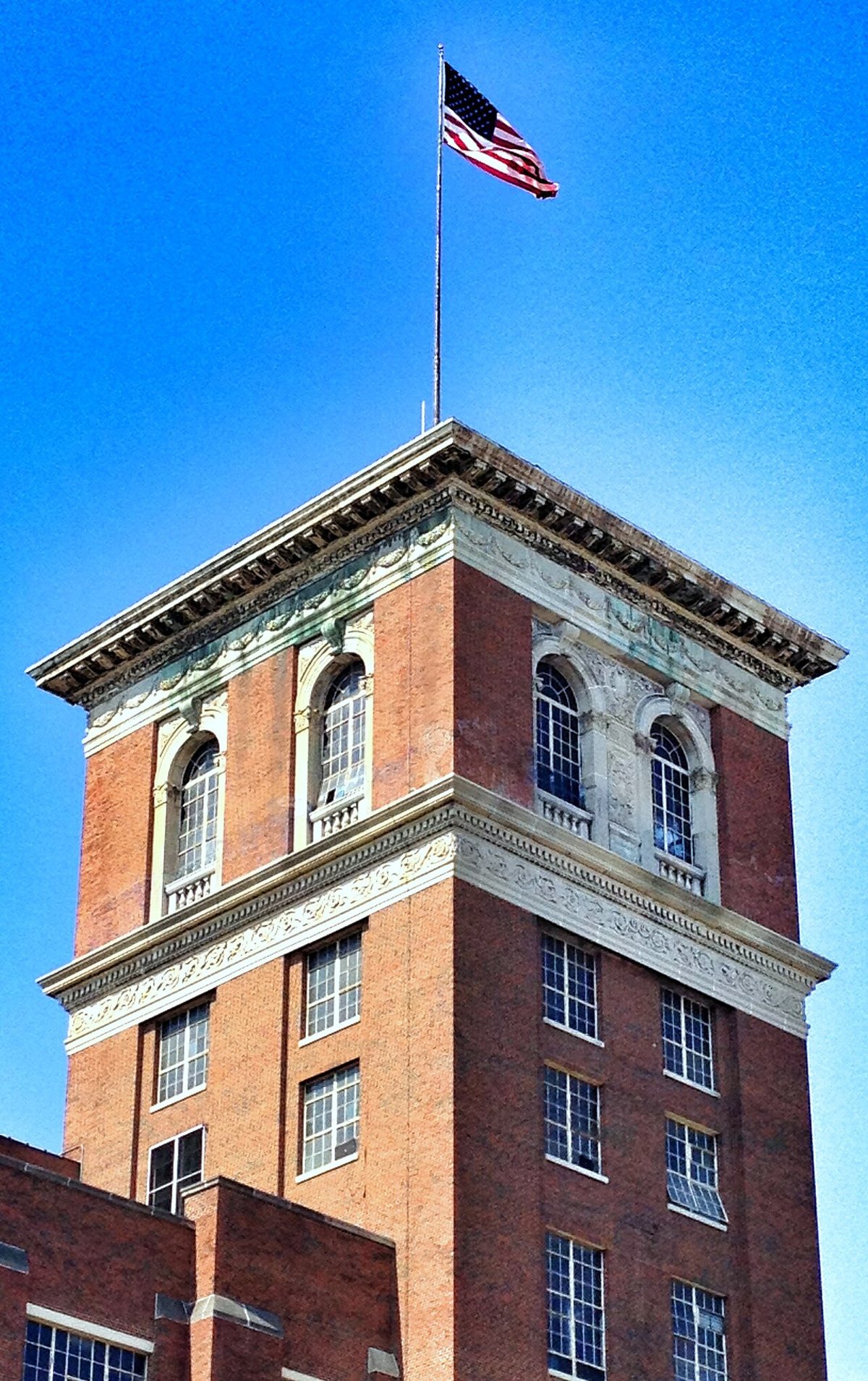
Ponce City Market earns its spot in any Beltline walking guide simply by sitting where it sits, right off the Eastside Trail in a converted Sears distribution building that now holds a food hall, shops, and a rooftop with some of the best sightlines in the city. Spring is when the rooftop amusements reopen for the season and when the ground-level food hall spills its crowd out onto the Beltline-facing patio, turning the whole plaza into an evening hangout. The building itself is worth studying, all that old brick and steel, a genuinely handsome piece of adaptive reuse rather than a mall dressed up to look historic. Come on a weekday evening if you want to actually get a table; weekend afternoons here in April can feel like the whole neighborhood decided to eat lunch at once. The Central Food Hall inside stays air-conditioned if the afternoon runs hotter than the forecast promised, which happens more often in late April than the calendar suggests it should.

Patio culture more broadly is one of those things Atlanta takes more seriously than it gets credit for, and spring is the two-month window when it makes perfect sense. From Grant Park to Virginia-Highland to the strip along Edgewood Avenue, restaurants that spent winter with the patio furniture stacked against a fence suddenly open it all back up, and reservations at the good ones start disappearing by Thursday. This isn't really one attraction so much as a citywide habit, but it's worth naming because it explains why Atlantans get almost proprietary about these six or so weeks. Once July humidity settles in, sitting outside stops being pleasant and starts being an ordeal, so the smart move is to do your patio dining now, while the evenings are still cool enough for it. Neighborhoods like Cabbagetown and West End have quietly built up their own patio scenes over the past several years too, worth a detour if you'd rather skip the Beltline-adjacent crowds altogether and still end up somewhere good.
Festival Season Rolls In
Spring in Atlanta runs on a rotating calendar of neighborhood festivals, and while specific dates shift year to year, the pattern doesn't. The Atlanta Dogwood Festival claims Piedmont Park, the Inman Park Festival turns that neighborhood's tree-lined streets into an art market and tour of Victorian homes, and smaller in-town festivals pop up in Grant Park, Candler Park, and elsewhere as the weather allows. These aren't tourist events dressed up for visitors, they're genuinely how ITP neighborhoods spend a spring Saturday, complete with a home tour, a used-book sale on somebody's lawn, and a band that's been playing the same festival circuit for a decade. The general advice holds regardless of the year: check what's on the calendar for the specific weekend you're visiting, arrive early for parking, and expect crowds if the weather cooperates. Most of these festivals sit walking distance from a MARTA station or at least a reliable rideshare pickup zone, which matters more than it sounds like it should, since festival parking in these narrow, historic street grids gets tight fast and towing is a real risk on the smaller residential blocks nearby.
Play Ball: Braves Season at the Battery
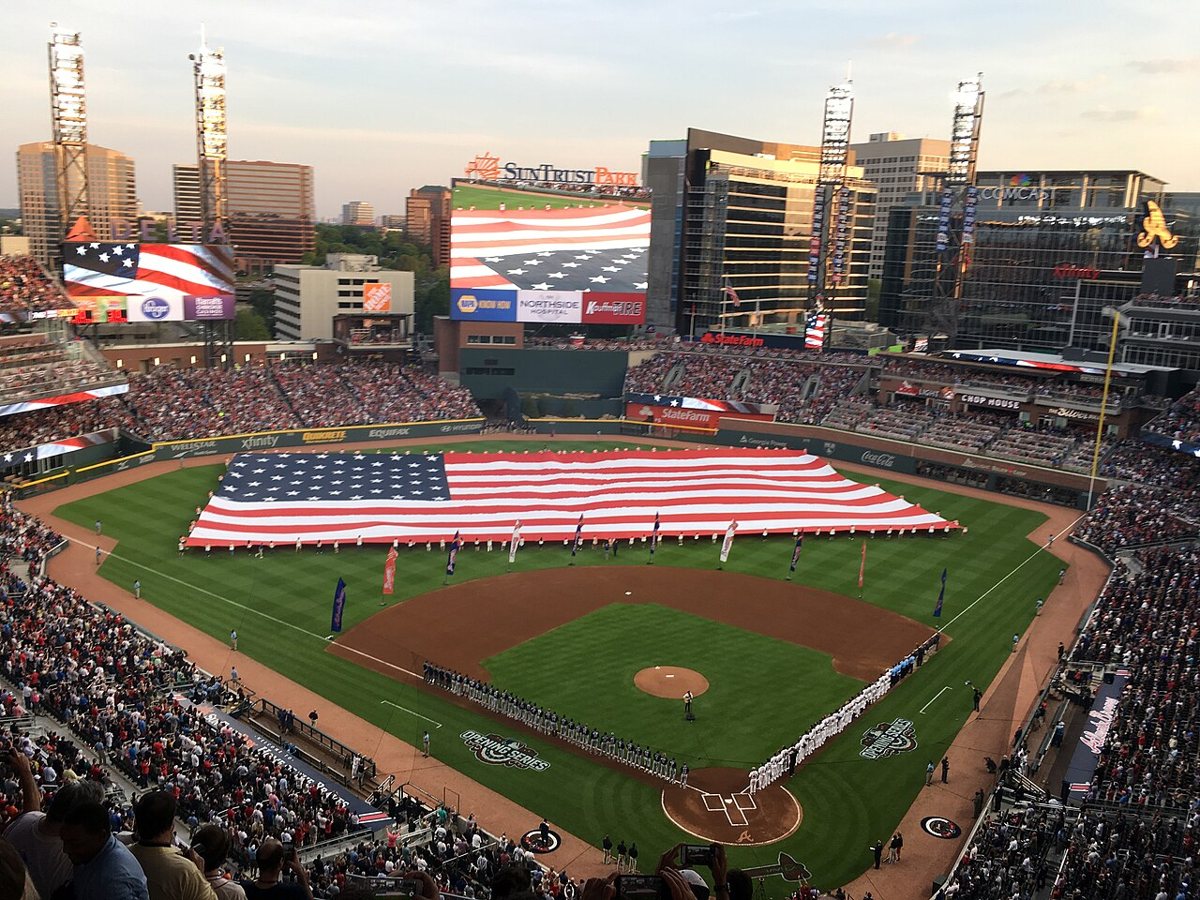
Truist Park opens its home schedule in early spring, and a Braves game remains one of the more purely enjoyable ways to spend an evening in this city. The stadium itself sits OTP in Cobb County, inside the Battery Atlanta development, which means the experience now includes a whole mixed-use district of restaurants and bars built around the ballpark rather than just a parking lot and a gate. Spring games carry a different energy than the dog days of a July doubleheader, cooler air, a fresh roster, a crowd that's still optimistic about the season. Get there well before first pitch and walk the Battery first, there's more going on outside the stadium than most first-timers expect, and the roof deck bars fill up fast once the weather turns reliably warm. April and May games tend to run cooler and shorter than the July stretch too, which makes them a better bet if you're bringing kids or just don't love sitting in a metal seat under a July sun for three hours.

Downtown's Spring Reset
Centennial Olympic Park doesn't get talked about as a spring destination the way Piedmont Park does, but it should. The fountain rings, choreographed to music and lit at night, become a full-on kid magnet the moment temperatures climb past chilly, and the park's location puts it within walking distance of the Aquarium, the World of Coca-Cola, and the College Football Hall of Fame, which makes it an easy anchor for a Downtown day that mixes outdoor time with indoor stops. It's also one of the more genuinely free things to do in the city, no ticket, no reservation, just a fountain and a lawn and a good amount of Atlanta history built into the plaza itself from the 1996 Olympics. On a warm spring evening the plaza fills with families letting kids run through the fountain jets fully clothed, which is more or less the intended use, and nobody bats an eye.

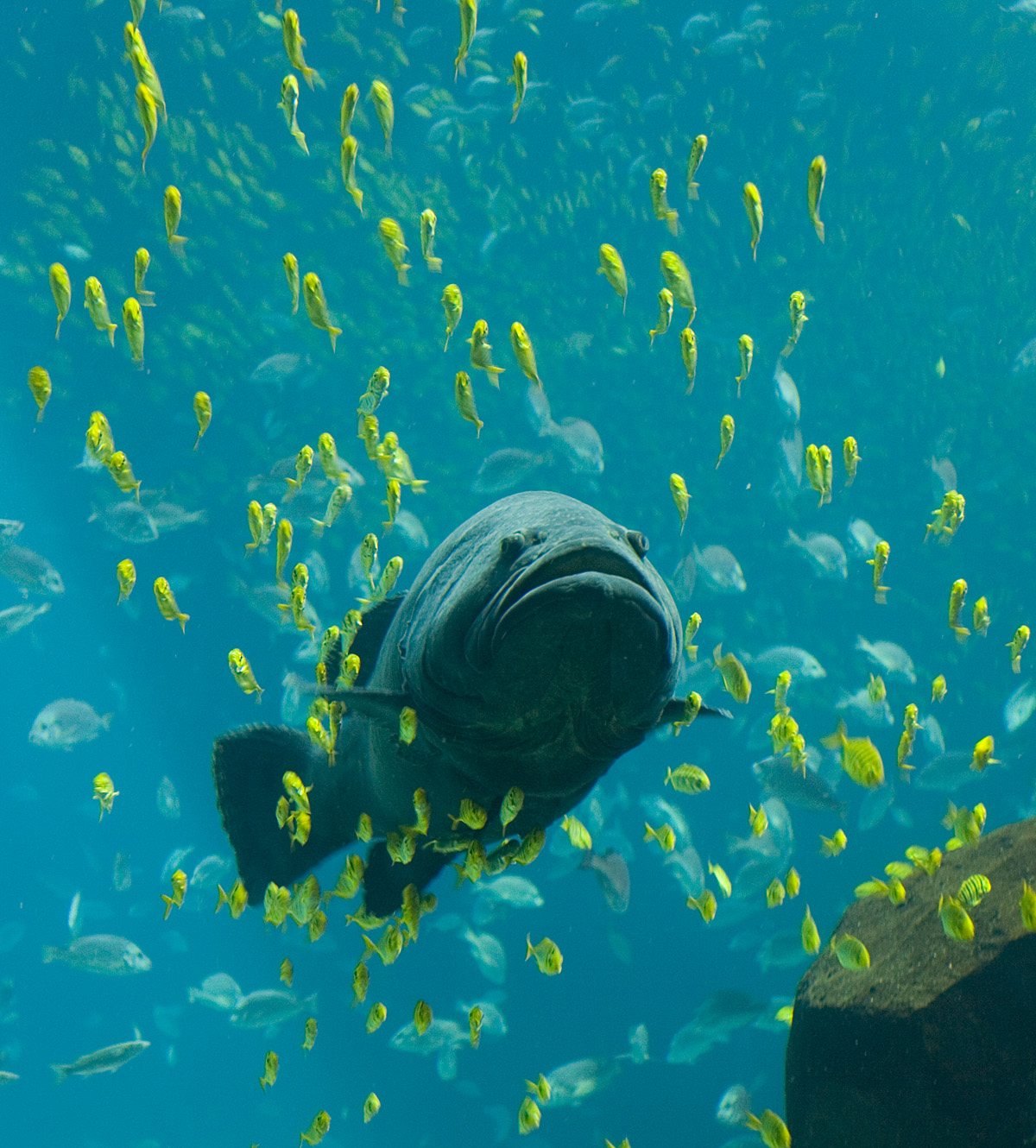
Speaking of the Aquarium, spring break week reliably packs the Georgia Aquarium with families working around school schedules, and while it's an indoor attraction, it earns its place on a spring list precisely because it's the rain-day answer when a March afternoon turns uncooperative, which happens more than the postcard version of spring Atlanta would like to admit. The whale shark tank remains the anchor exhibit and the reason most people come in the first place, but this is also a genuinely good option for the handful of days each spring when the pollen count or a stray cold front makes the outdoors less appealing than usual. It sits close enough to Centennial Olympic Park that pairing the two into one Downtown day, fountain time in the morning and tanks in the afternoon, works better than most people plan for in advance.

Getting Out of Town: The OTP and Edge-of-Town Spring
Stone Mountain Park sits solidly OTP, out toward DeKalb's eastern edge, and spring is arguably its best season, before summer crowds descend on the water park attractions and while the hiking trails around the granite dome are still cool enough for a real workout. The walk-up trail to the summit is steep but short, and the view from the top on a clear spring day stretches back toward the Downtown skyline, a genuinely useful way to understand how the city sits in its landscape. Wildflowers work their way up the mountain's base in April, and the surrounding park land, thousands of acres of it, has enough trail mileage that a spring weekend visit rarely feels crowded even when the summit does. This is a full OTP trip, plan on driving unless you're coming from somewhere already east of the Perimeter, and it pairs naturally with the rest of a DeKalb County day if you're also headed toward Decatur or Stone Mountain Village for lunch afterward.
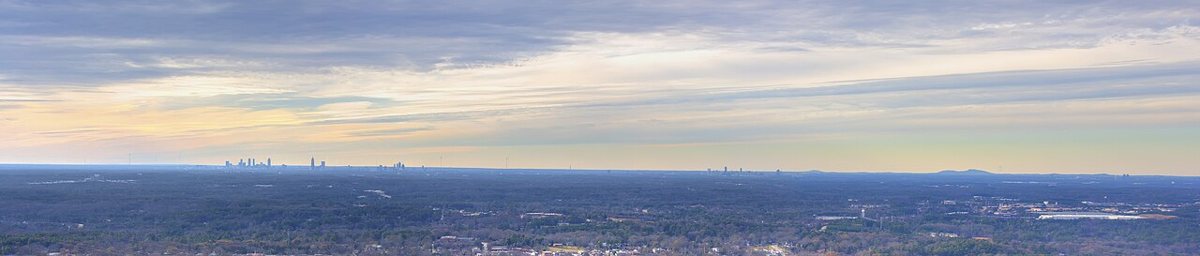

The Chattahoochee River National Recreation Area is where a lot of ITP Atlantans go to remember there's a river running through their metro at all. Several units of the park string along the river from Sandy Springs down through the northern suburbs, and spring is when the shoal spider lilies and river birch leaf out along the banks, before the water gets crowded with summer tubers. Trails at spots like the Cochran Shoals unit fill with runners and dog walkers most mornings, and the river itself, cold even in May thanks to bottom releases from Lake Lanier upstream, stays too chilly for swimming well into the season, which keeps the crowds thinner than you'd expect this close to the city. Bring binoculars if birding is your thing, spring migration pushes a genuinely good variety of songbirds through the river corridor, and the paved and unpaved trail sections both stay shaded enough to make a mid-morning walk comfortable even once the afternoons start warming up.
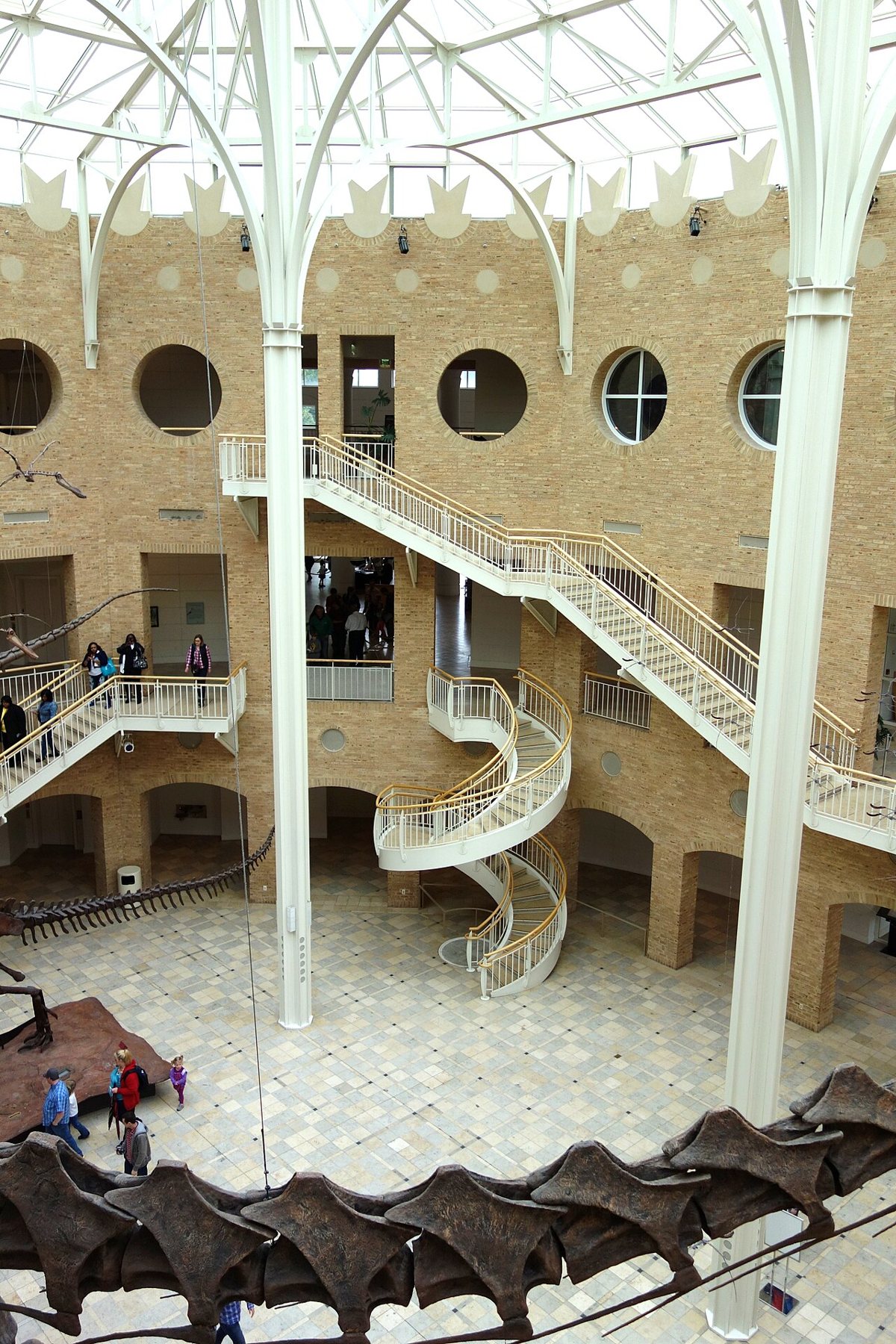
Fernbank Museum of Natural History, tucked into Druid Hills near Emory, pairs its indoor dinosaur halls with actual old-growth forest out back, one of the last pieces of untouched Piedmont forest inside the Perimeter. The boardwalk trail through that forest is where this stop earns its spot on a spring list specifically, wildflowers push up through the leaf litter in March and April in a way that feels almost incongruous this close to a major research university and a busy museum parking lot. It's a good half-day pairing: museum exhibits when the sun gets too strong, forest boardwalk when it doesn't. The museum's own café patio, overlooking the forest, is an easy, underrated spot for lunch between the two halves of the visit.

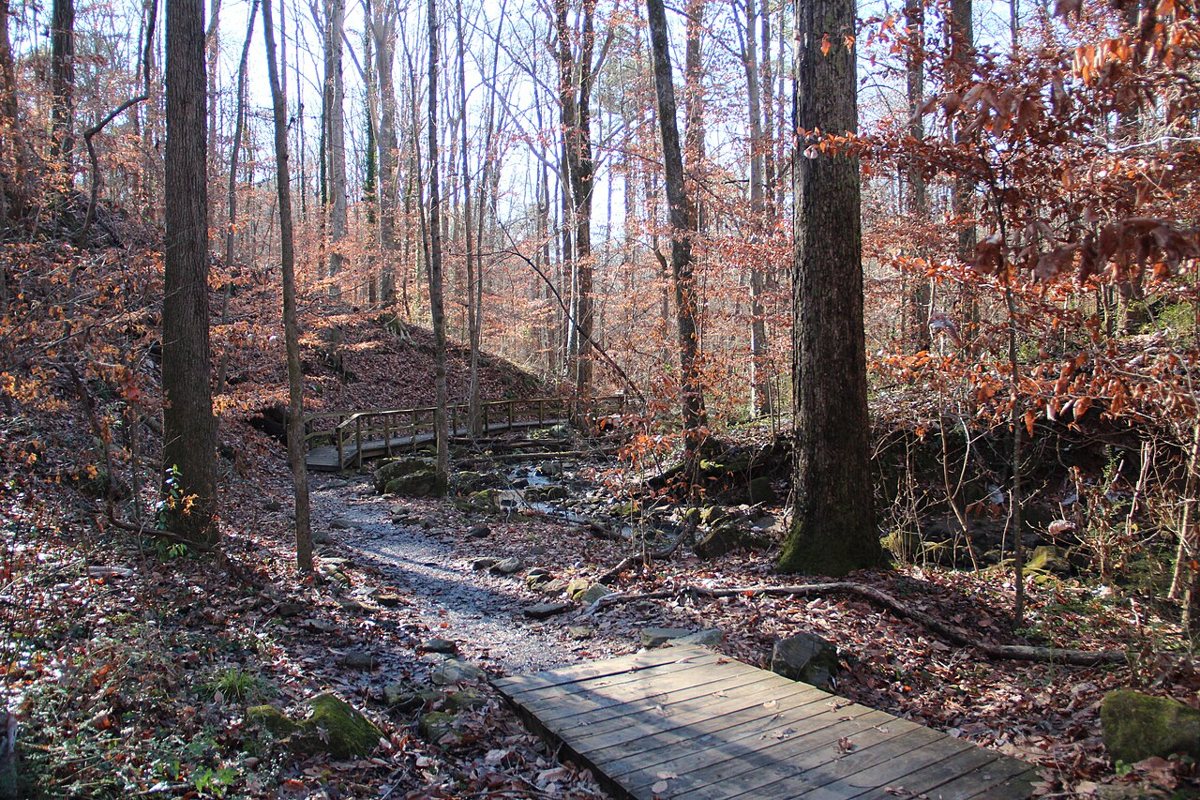
Cascade Springs Nature Preserve, on the city's southwest side, remains one of the more under-visited spots on this list relative to how good it actually is. A short, sometimes muddy trail leads to a small waterfall and a series of natural springs that fed the neighborhood long before it was a neighborhood, and spring wildflowers crowd the banks along the way. This is solidly ITP, in a part of southwest Atlanta that doesn't get the same tourism attention as Midtown or the Eastside Beltline corridor, and that's exactly the appeal. Wear shoes you don't mind getting wet and go on a weekday morning if you want the place close to yourself. The preserve sits within a larger network of southwest Atlanta green space that's gotten more attention in recent years as the city has invested further into that side of town, and it rewards the kind of visitor willing to drive a little further than the Midtown and Eastside spots everyone already knows.

The Practical Stuff Nobody Puts on the Postcard
Pollen is not a punchline here, it's a logistical fact. Counts climb through March and often peak in early-to-mid April, coating cars, porches, and anyone foolish enough to leave a window cracked overnight. If you have allergies, plan around it rather than being surprised by it, and don't be alarmed by the yellow film on every parking lot in town, it washes off, eventually, until the next wave lands. Traffic is worth mentioning too, since it functions almost as an organizing principle of daily life here. Weekend festival traffic around Piedmont Park and Inman Park can back up the surrounding streets for hours, and anyone driving in from OTP for a Braves game should expect the Cobb Parkway corridor to slow to a crawl an hour before first pitch, which is one more reason the ride-share drop-off at the Battery beats circling for parking. Heat is the other end of the equation: Atlanta's spring window is short, and the humidity that defines a Georgia summer usually asserts itself sometime in May, so the outdoor plans on this list are best made sooner in the season rather than later, not saved for a hypothetical free weekend in June. As for what costs nothing, the Beltline is free to walk, Centennial Olympic Park's fountains are free, Piedmont Park's lawns are free, Cascade Springs and the Chattahoochee trails charge no admission, and the neighborhood festivals generally charge for vendor goods and food rather than entry. A weekend built entirely around free ITP outdoor space, with maybe one paid stop like the Botanical Garden or a Braves game added in, is a completely reasonable and very Atlanta way to spend a spring visit, and it's roughly how most locals actually treat the season themselves rather than saving it for out-of-town guests.
None of this requires perfect timing or an insider connection, just a willingness to go outside before the humidity makes that a chore. Atlanta in spring is generous that way, dogwoods on nearly every block, a trail that connects half the interesting neighborhoods in town, a ballpark waking back up, and enough festivals that you'd have to try to find a weekend without one. Go find the pollen-yellow hood of your car, wipe it off, and get out there while the weather's still on your side. A Saturday spent bouncing between the Eastside Trail and a patio in Reynoldstown counts. So does a Sunday out at Stone Mountain with the whole family, or just an evening at the fountains Downtown after work. The season rewards people who actually show up for it, and it doesn't stick around long enough to reward the ones who wait.