Things to Do in Midtown: The Local Guide
From Piedmont Park's meadow to the marble steps of the Fox Theatre, a working list of what actually rewards a trip into Midtown, written by someone who lives a few exits down the BeltLine.
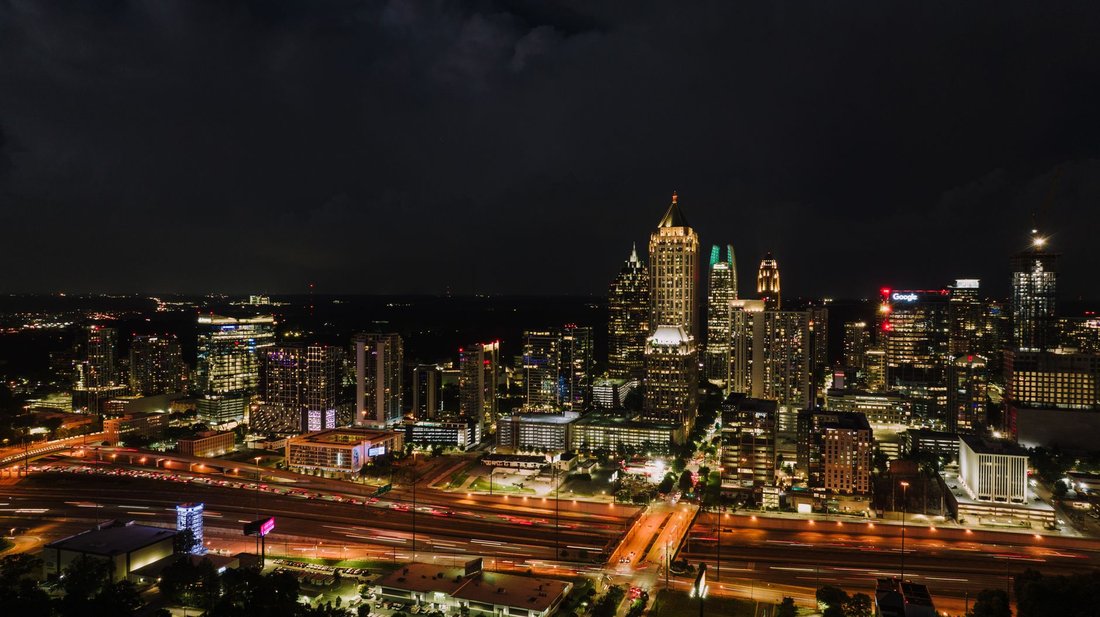
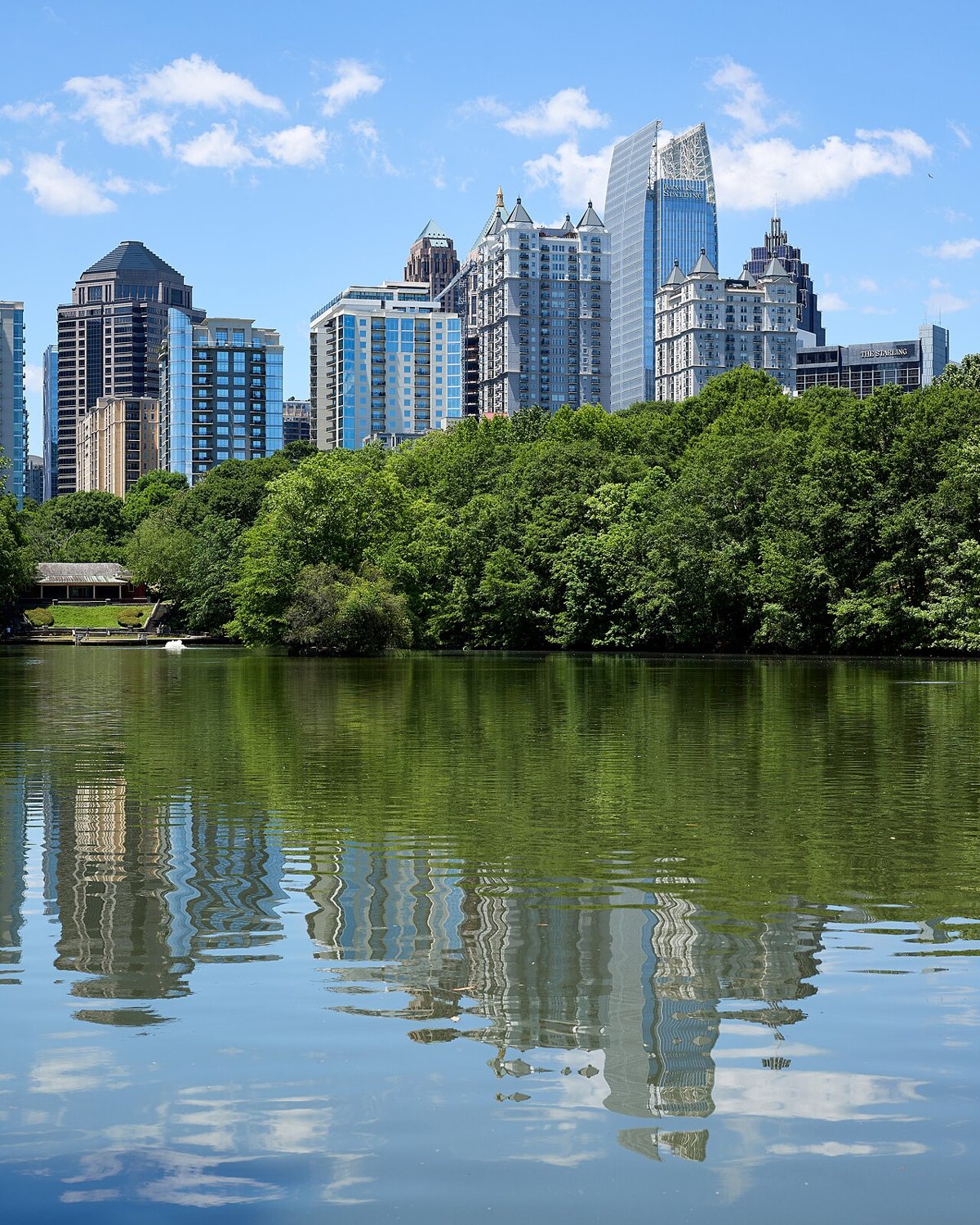
Saturday, nine in the morning, and the meadow at Piedmont Park is already filling in. Any list of things to do in Midtown Atlanta has to start here, because this is where the neighborhood actually lives on a weekend. A dog trainer runs drills near the fence line at 10th Street. Two women set up a card table with coffee and a Bluetooth speaker low enough not to bother anyone. Runners loop Lake Clara Meer, and past the tree line the Midtown skyline stacks up behind them, glass towers catching the early light like they were placed there for the view. Twenty minutes later, the crowd shifts a few blocks east to the Atlanta BeltLine Eastside Trail, where cyclists, strollers, and a guy selling frozen lemonade out of a cart share eight feet of pavement without much friction. This is the rhythm of a Midtown weekend, and it explains why the neighborhood shows up on so many short lists before anyone has even mentioned a museum.
Midtown is Atlanta's arts district first and its second downtown second. It holds the city's major museums, its flagship performing arts complex, a hospital corridor, a cluster of residential high-rises, and a historic core of LGBTQ nightlife and advocacy that predates most of the glass towers around it. It is also compact enough to walk, which is rare for this city and worth building a whole day around. Here is the guide, organized the way a local would actually move through it: park first, then the museums and the history, then the edges where Midtown blurs into its neighbors.
Piedmont Park and the BeltLine: Where Things to Do in Midtown Start
Piedmont Park is the anchor, and almost everything else in this guide sits within a short walk or a short train ride of its gates. The park runs from 10th Street north past the Botanical Garden, with a meadow built for lounging, an active-sports side with tennis courts and a pool, and Lake Clara Meer at its center, where the paddle boats are rented seasonally and the walking loop delivers the single best skyline photo in the neighborhood. Festival season brings the Dogwood Festival in spring and Music Midtown in the fall, both of which take over the meadow and the surrounding streets for a weekend at a time. On an ordinary Saturday, though, the draw is simpler: shade, grass, a skyline view, and enough space that you don't feel like you're sharing it with the whole city, even when you are. Enter from 10th Street or from the Piedmont Avenue side near the Active Oval. One easy pairing: a park visit flows naturally into a BeltLine walk, since the Eastside Trail entrance sits at the park's northeast corner near the Old Fourth Ward end.

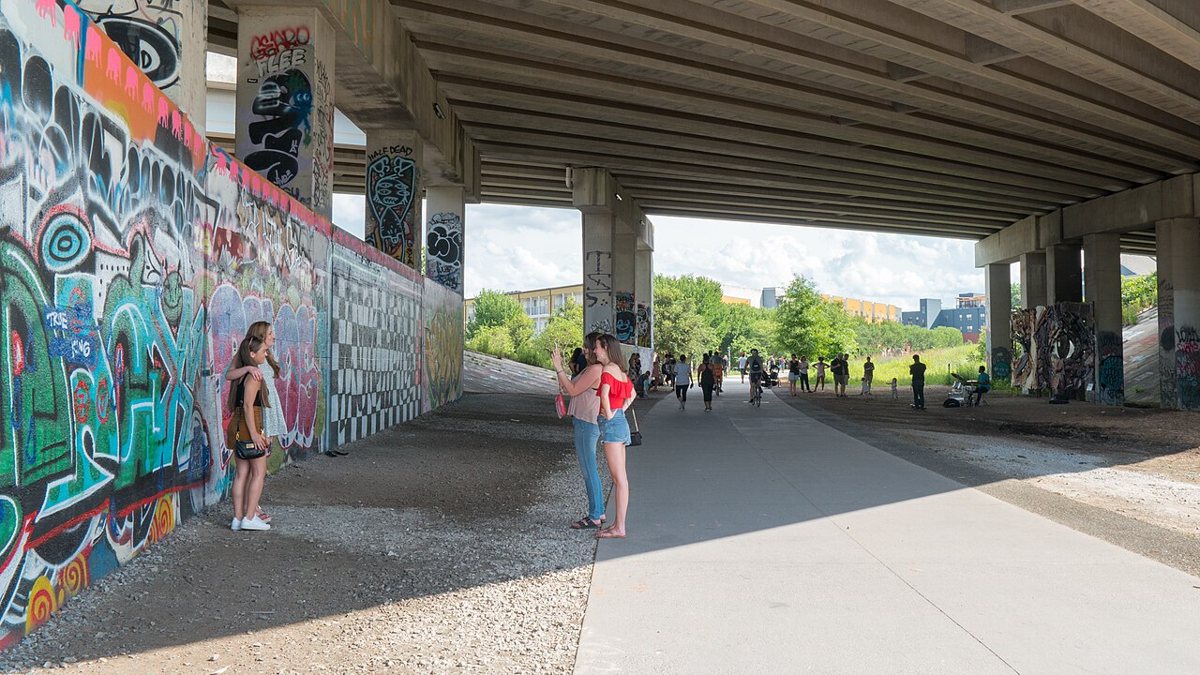
The Atlanta BeltLine Eastside Trail is the connective tissue of the whole city, not just Midtown, but this stretch is the busiest and most finished section, running from the park down through Old Fourth Ward toward Inman Park. It was built on old railroad corridor, and you can still see the rail spurs and industrial brick in places if you look for them under the murals and landscaping. Walk it, bike it, or rent one of the shared e-scooters that cluster near the entrances. The trail connects directly to Ponce City Market, so a single outing can cover park, trail, market, and a meal without ever getting in a car. Go early on weekend mornings if you want room to move, since by early afternoon the trail is at full capacity with joggers, families, dogs on long leashes. It is free to walk, always open, and arguably the most Atlanta thing to do in the entire city.

Midtown's Museum and Arts Core
The Woodruff Arts Center and the High Museum of Art
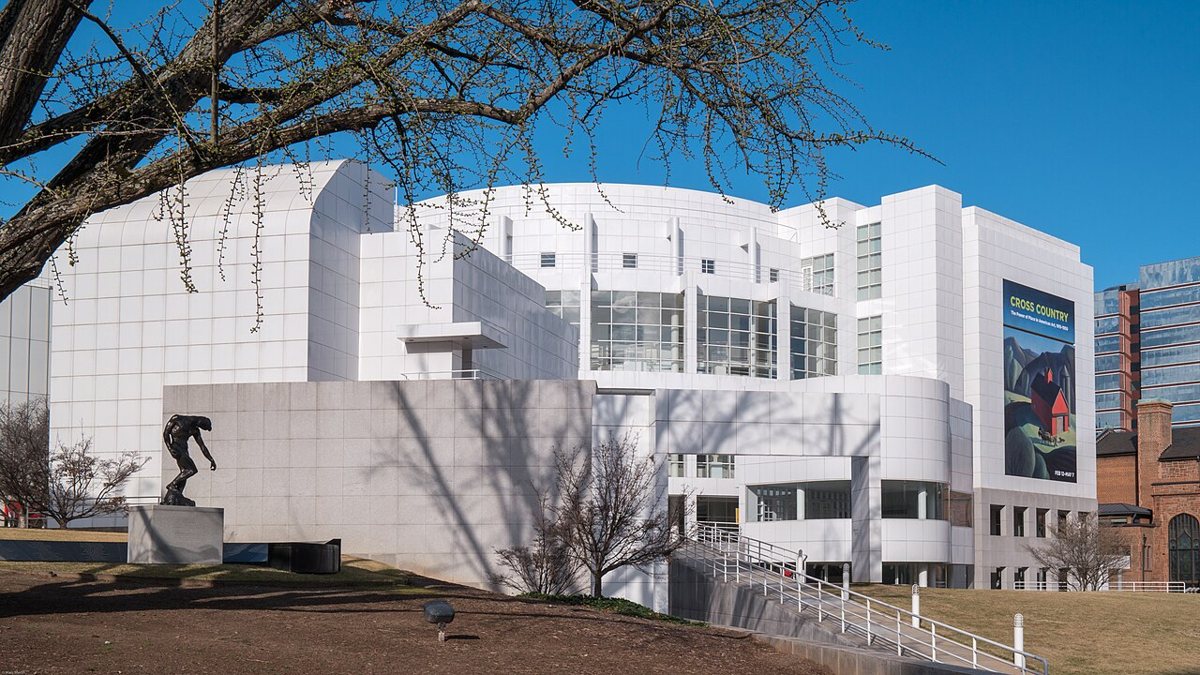
The Woodruff Arts Center is the umbrella campus on Peachtree Street that houses the High Museum, the Atlanta Symphony Orchestra, and the Alliance Theatre under one address, and it's worth understanding as a single destination rather than three separate stops. The High Museum itself is the region's major art institution, with a permanent collection spanning American decorative arts, folk and self-taught art, photography, and a rotating slate of touring exhibitions that regularly pull from major national collections. Richard Meier's white porcelain-panel building is a landmark in its own right, and the atrium alone is worth the walk-through even on a day you're not planning a full visit. The Alliance Theatre, on the same campus, runs its own season of drama and family shows and has launched more than a few productions that later moved to New York, which gives the whole complex a working-theater energy beyond the galleries. For a full evening, check the Alliance's schedule and pair a gallery visit with a show, since the campus is built for exactly that kind of night. It sits on Peachtree Street a short walk from the Arts Center MARTA station.

The Fox Theatre
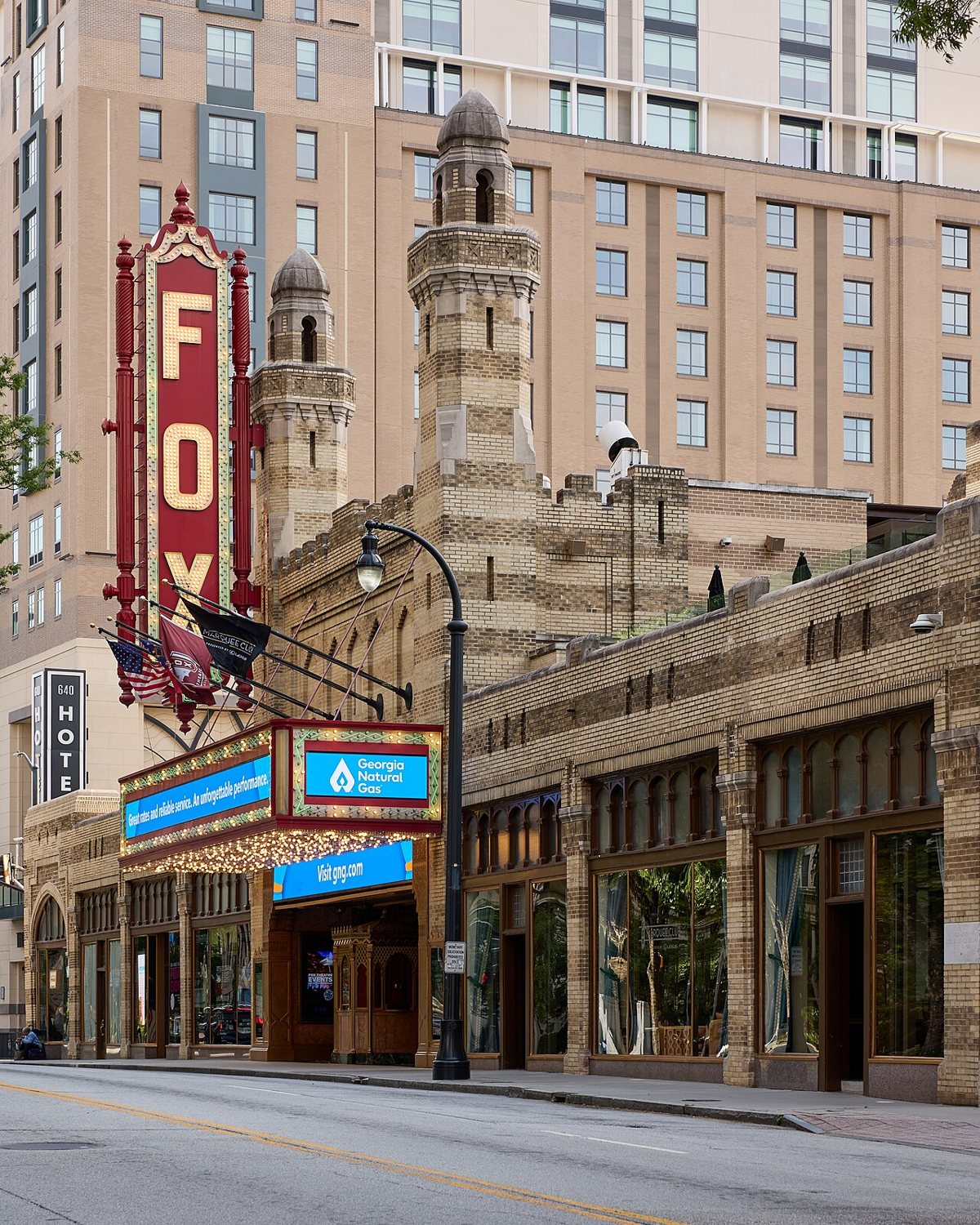
The Fox Theatre is Atlanta's grandest surviving movie palace, a 1929 Moorish Revival fantasy of a building that was originally designed as a Shriners temple before it became a movie house, complete with a painted ceiling meant to look like a starlit desert sky, complete with drifting clouds and points of light. It runs touring Broadway productions, concerts, and the annual summer film series, which screens classic films under that same painted sky for a fraction of a normal theater ticket. Even a quick visit to the lobby makes clear why the building is on the National Register of Historic Places. The Fox came close to demolition in the 1970s, and the preservation fight that saved it, led by a grassroots group that raised money block by block, is still a point of local pride, referenced on plaques and in the theater's own program notes. Buy tickets for whatever is running rather than hoping for a walk-in tour, since the building is rarely open outside of showtimes. It anchors the corner of Peachtree and Ponce de Leon at the northern edge of what many still call the Fox Theatre District.

The Museum of Design Atlanta (MODA)
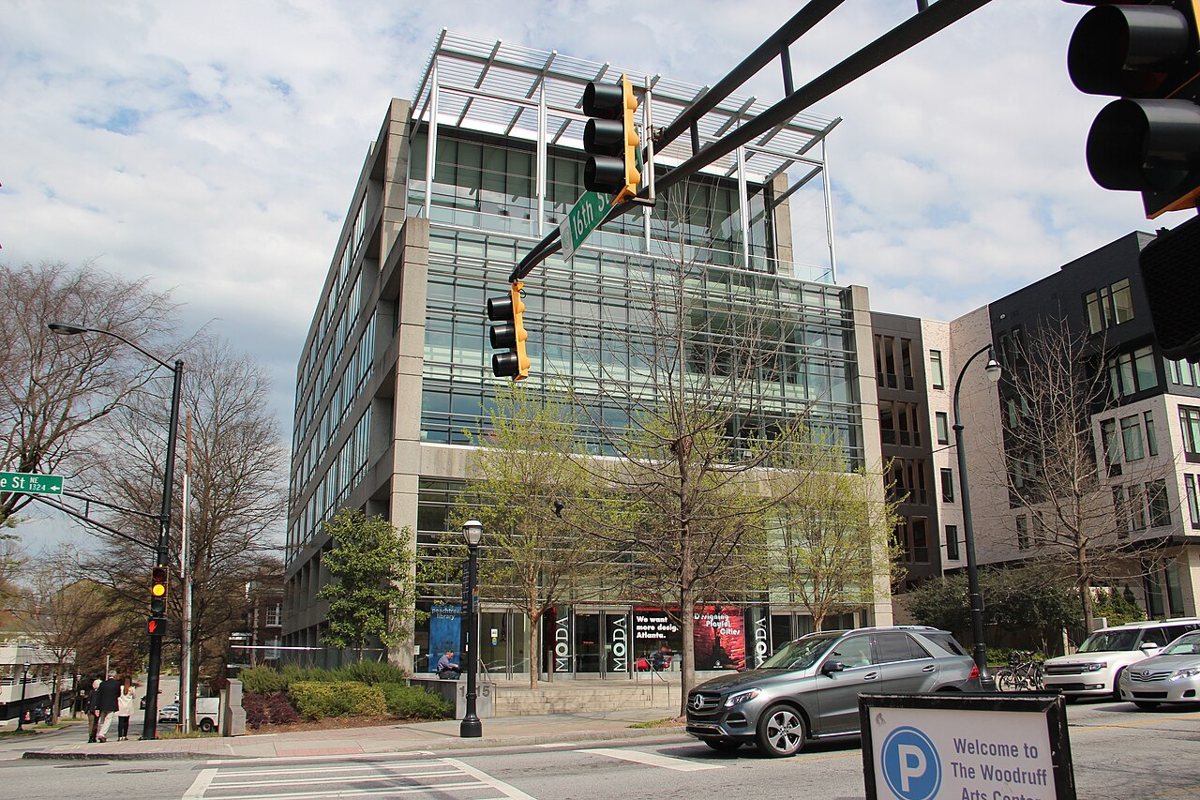
MODA is the smaller, sharper cousin to the High Museum, a single-focus institution dedicated to design in all its forms, from typography and product design to architecture and fashion. Exhibitions rotate more frequently than at the larger museums nearby, which makes it a good add-on rather than a full afternoon commitment, and the shows tend to be approachable even for visitors who don't think of themselves as design people. It sits right on Peachtree Street near the High Museum, so the two are easy to combine into one cultural stretch of an afternoon. Watch for free or discounted admission days, which MODA runs more often than the larger museums around it.

The Center for Puppetry Arts
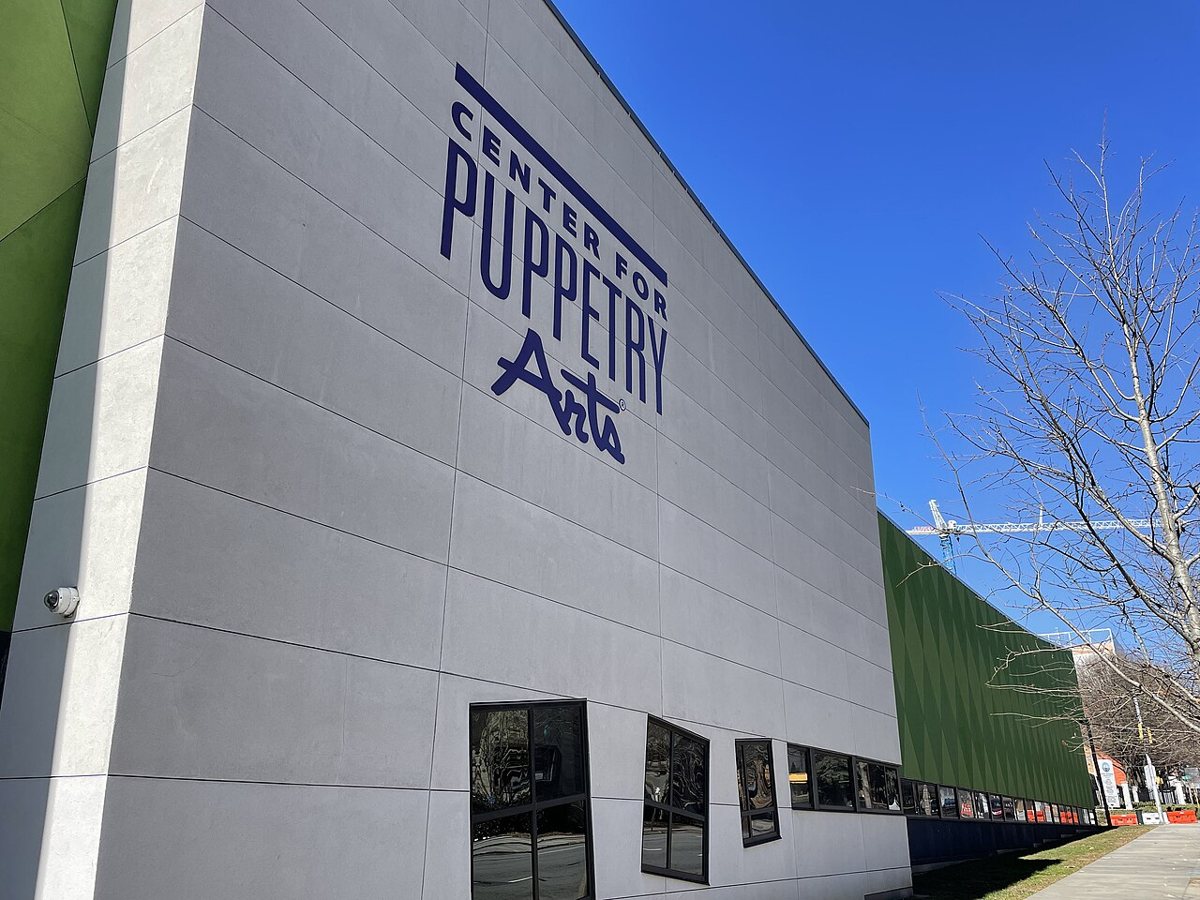
The Center for Puppetry Arts is the largest organization in the country dedicated entirely to puppetry, and it is a genuine draw for adults as well as kids, largely because of the Jim Henson wing, which holds a permanent collection of Muppets and Henson-related artifacts alongside rotating performances and workshops. The building runs both a museum side, where you can walk through the collection at your own pace, and a theater side, with performances timed for family schedules. It is one of the more distinctive things to do in Midtown precisely because it doesn't try to be a scaled-down children's museum, and adults who came in mostly to indulge a kid often end up lingering the longest. Plan around the performance schedule if you want the full experience rather than just the galleries. It sits just off Peachtree Street on the west side of Midtown near the Arts Center station.

Gardens, History, and Architecture
The Atlanta Botanical Garden
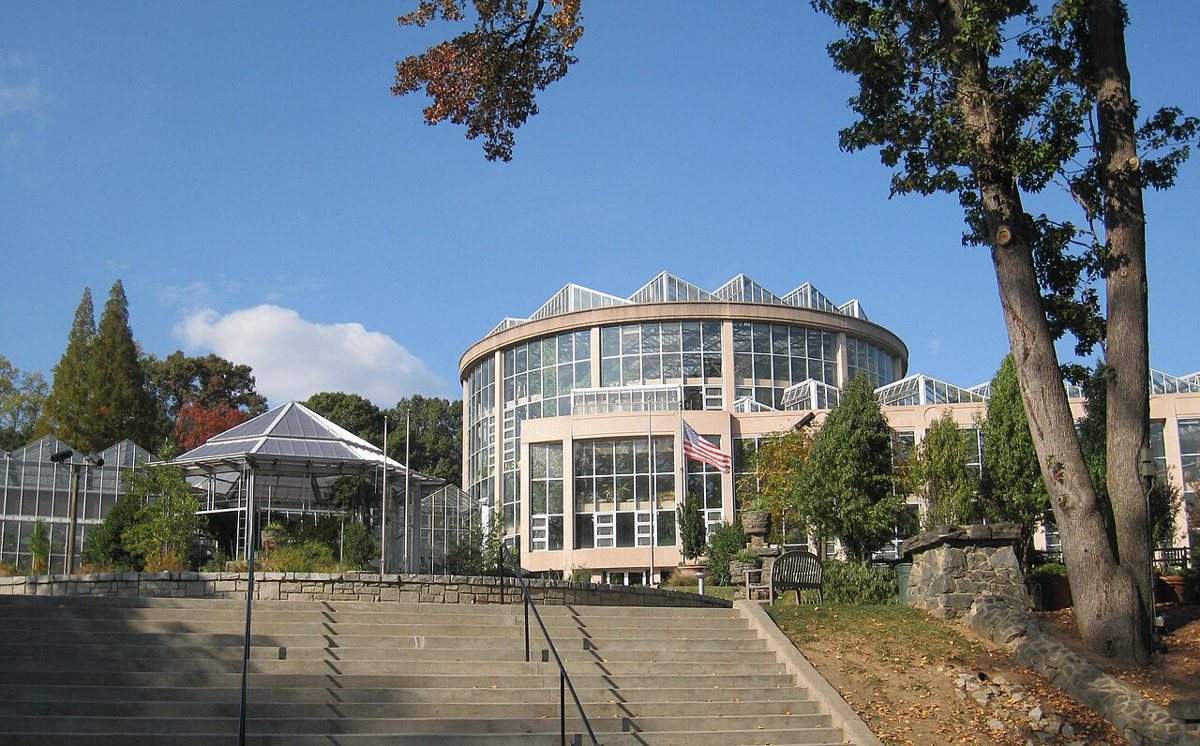
The Atlanta Botanical Garden sits at the northern edge of Piedmont Park and functions almost as its formal counterpart, with structured plantings, a conservatory, an edible garden, and the Kendeda Canopy Walk, a raised walkway that runs through the tree canopy and gives a different angle on the park below. The seasonal Orchid Daze show draws crowds in late winter, and the holiday lights display, Garden Lights, Holiday Nights, has become one of the city's biggest annual draws, with lines forming well before dark once the trees go up. Because it borders the park directly, a combined visit is easy to plan without much backtracking. Come on a weekday morning if the canopy walk is on your list, since it narrows to single file in places and gets crowded fast on weekends. Entrance is on Piedmont Avenue at the park's northern boundary.

Rhodes Hall
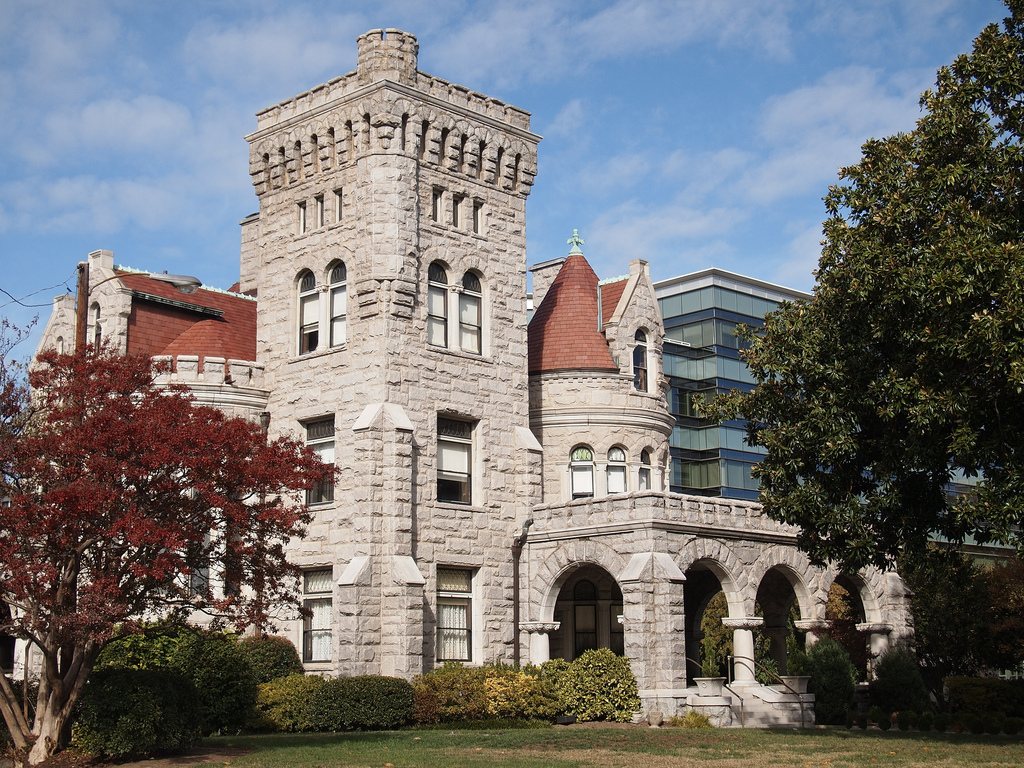
Rhodes Hall is the Romanesque Revival mansion known locally as the castle on Peachtree, built in the early 1900s for furniture magnate Amos Rhodes and one of the few grand residences from that era still standing on a corridor that was once lined with them. Inside, the stained glass windows depict scenes from the Civil War and the Lost Cause narrative common to monuments of that period, which the house's docents now address directly as part of the tour rather than glossing over, giving the visit real historical texture rather than just architectural charm. It now serves as headquarters for the Georgia Trust for Historic Preservation and hosts tours and occasional events in its ornate front rooms. It's an easy stop to underestimate from the sidewalk, since the turrets read almost like a movie set against the office towers around them. It sits on Peachtree Street a short walk south of the Arts Center station.

The Margaret Mitchell House
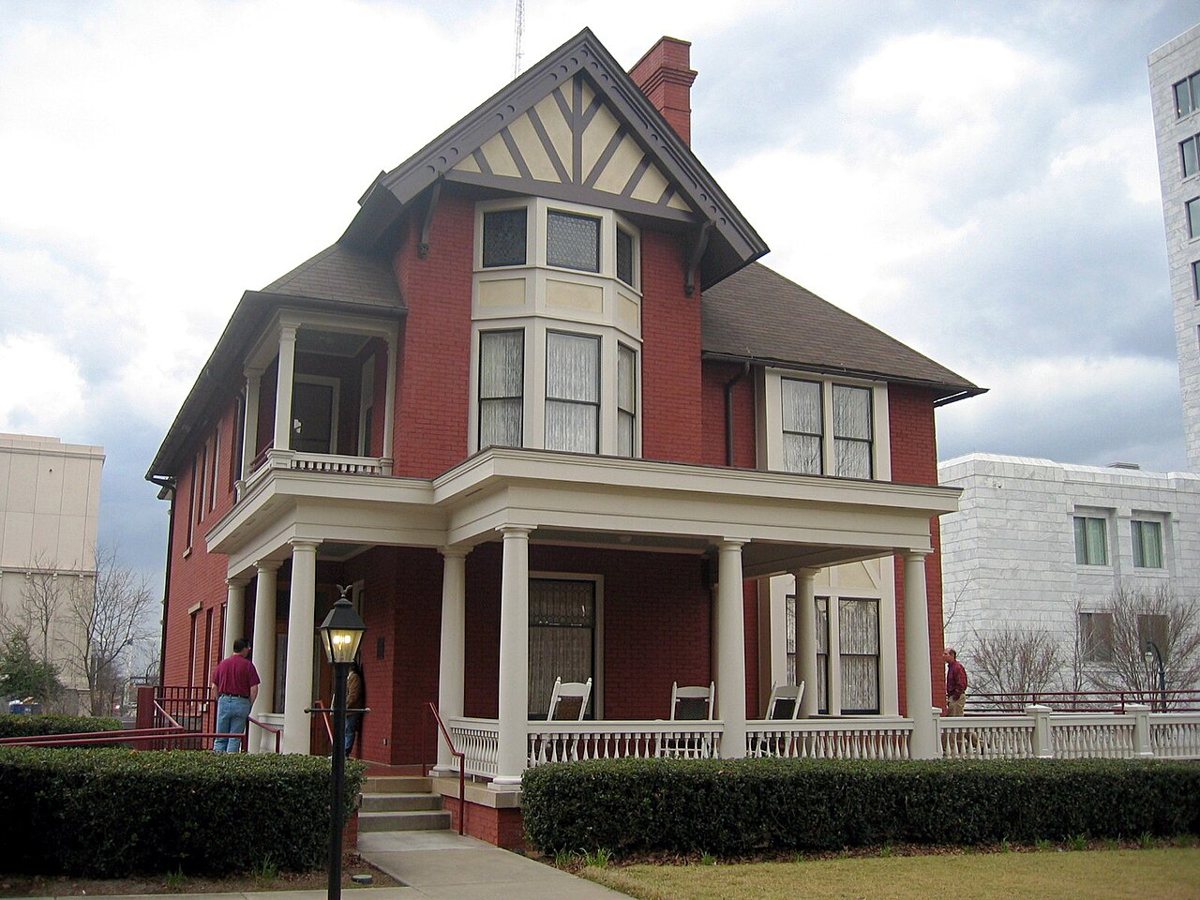
The Margaret Mitchell House preserves the modest apartment building where Mitchell wrote most of Gone with the Wind, tucked into a Tudor Revival building she nicknamed the Dump, on a stretch of Peachtree Street now surrounded by high-rises that make the small brick building look almost out of scale with its neighborhood. Tours cover Mitchell's life and the novel's complicated legacy in Atlanta, a subject the site addresses more directly than it once did, situating the book alongside the city's broader and harder history rather than presenting it as simple nostalgia. It's a smaller stop than the museums nearby, best suited to visitors with a specific interest in the book, the film, or Atlanta literary history rather than a general afternoon of sightseeing. It sits at the corner of Peachtree and 10th Streets, close enough to the Arts Center station to fold into a walking day.

Midtown's Edges: Where the Neighborhood Blurs
Ponce City Market
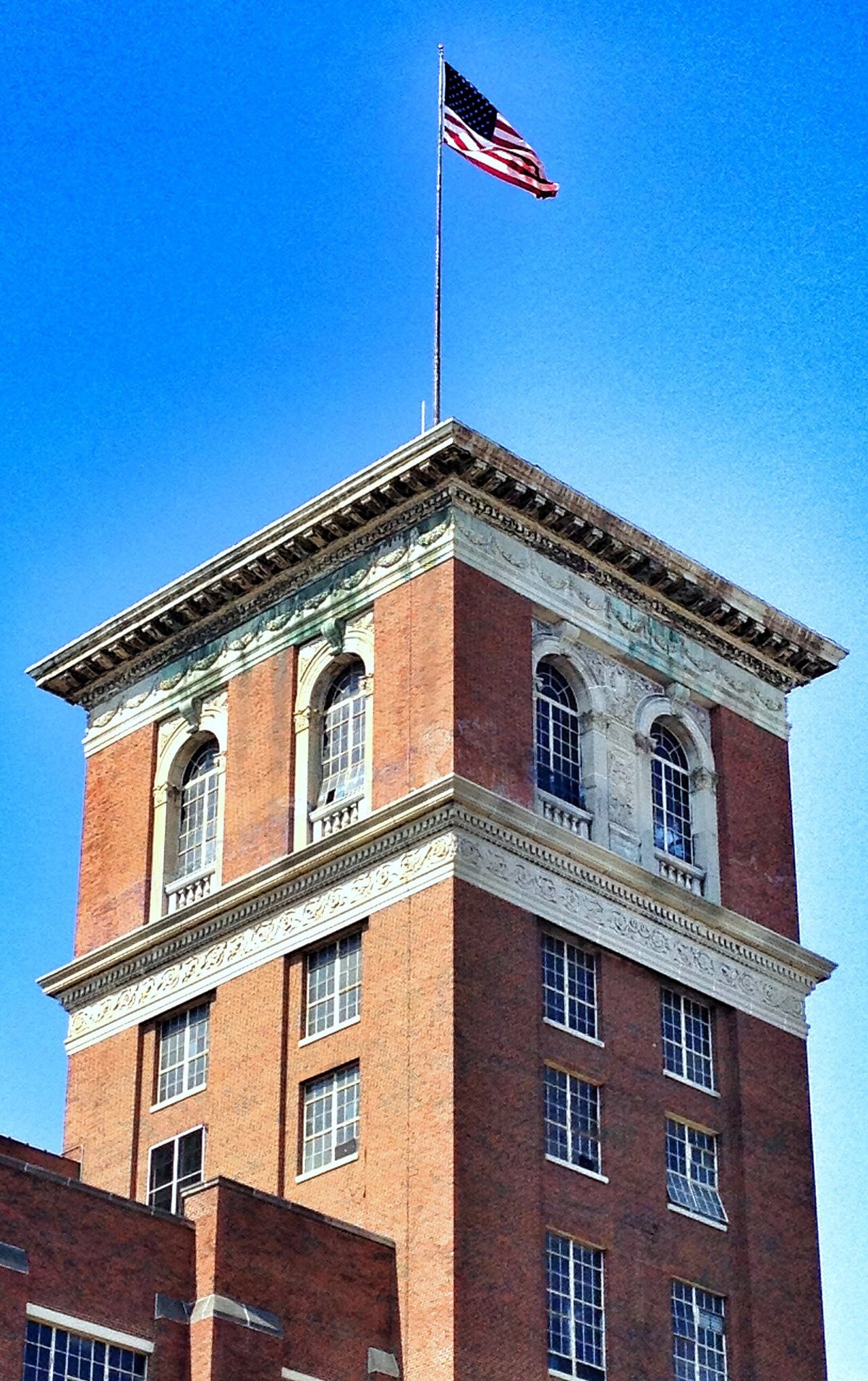
Ponce City Market sits technically at the seam between Midtown and Old Fourth Ward, inside the old Sears, Roebuck and Company distribution building, and it's honest to say most people walking the BeltLine treat it as part of the same outing regardless of which neighborhood line it falls on. The building's food hall draws the biggest crowds, but the rooftop amusement area and the retail floors below are worth the elevator ride even if you're not eating. The direct BeltLine entrance on the building's east side means you can arrive on foot from Piedmont Park without ever touching a car door. Go on a weekday if you want to actually sit down in the food hall, since weekend lines for the more popular counters stretch out the door by midday.

Colony Square and the Peachtree Street Skyline
Colony Square anchors the intersection of Peachtree and 14th Streets and has been reworked in recent years into more of an open, walkable plaza than the enclosed complex it used to be, with green space, public seating, and a rotating calendar of outdoor events and markets. It functions as a kind of living room for the high-rise residential population that has filled in around it over the past decade, the same towers you can see reflected in Lake Clara Meer from the park. The stretch of Peachtree Street running the length of the neighborhood is where that skyline is best appreciated at street level, particularly around dusk when the office towers start lighting up floor by floor. Neither spot requires a plan beyond walking through, and both work well as a break between museum stops.
Peachtree and Crescent Avenue After Dark
Midtown's restaurant scene clusters along two corridors locals think of separately. One corridor, Peachtree Street, carries the higher-end dinner rooms that serve the office towers and hotel guests, the kind of place that fills up before a symphony or Alliance Theatre performance and thins out again by nine. Crescent Avenue, a few blocks over, runs a livelier strip of patios and later kitchens that draws a younger, more residential crowd, especially on weekend nights when the sidewalk tables stay full well past midnight. Closer to the BeltLine, the newer bars lean into the craft cocktail scene that has become one of the trail's defining features, with menus built around small-batch syrups and Southern spirits meant for a slow evening on a patio rather than a quick pour before dinner elsewhere. None of it requires booking weeks ahead, but a Friday or Saturday night on Crescent Avenue without a reservation is still a gamble worth planning around.
10th Street and the Neighborhood's LGBTQ History
10th Street, running between Piedmont Park and Peachtree, is one of the historic centers of Atlanta's LGBTQ community, a role it has held since well before Midtown's more recent wave of development, and the street still carries that history in its bars, its bookstores, and its proximity to the park's western edge, long a gathering point for Pride events and everyday community life alike. It's less a single attraction than a corridor worth walking with some awareness of what it represents, connecting directly into the park and giving quick access to the Arts Center MARTA station a few blocks over.
Getting Around: MARTA, the BeltLine, and Midtown Traffic
Midtown is one of the few Atlanta neighborhoods where you genuinely don't need a car for a full day out. Two MARTA rail stations serve the neighborhood directly: Midtown Station, at Peachtree and 10th, drops you within walking distance of Piedmont Park, the Fox Theatre district, and 10th Street, while Arts Center Station, a few stops north, sits almost at the doorstep of the Woodruff Arts Center, the High Museum, MODA, and Rhodes Hall. Both connect to the rest of the rail system, which makes Midtown a workable base even for visitors without a rental car, and a reasonable jumping-off point for a day trip further down the line to Downtown or out to the airport.
The Atlanta BeltLine Eastside Trail is the other backbone, running on foot or bike from the park down through Ponce City Market toward Inman Park and Old Fourth Ward. It's flat, mostly shaded, and busiest on weekend afternoons, so mornings and weekday evenings are the better bet if you'd rather not weave through crowds. Rideshare e-scooters and bikes cluster at every major trail entrance, and they're the fastest way to cover the full length of the trail if walking the whole thing isn't the point of your day.
Driving is where Midtown gets complicated. Traffic on Peachtree backs up predictably at rush hour, and street parking near the park or the arts campus disappears fast on weekends and event nights, particularly during Music Midtown or Dogwood Festival, when whole blocks close to traffic entirely. Parking decks near the Woodruff Arts Center and Colony Square are the more reliable bet if you're driving in, and MARTA is genuinely faster than driving for anyone staying ITP during peak hours. This is a neighborhood where the traffic really is an organizing principle of the day, and planning around it rather than against it, by timing arrivals outside rush hour or parking once and walking the rest, makes everything easier.
Timing a Midtown Day
- Mornings favor the park and the BeltLine, before both fill in with midday crowds.
- Museums are least crowded on weekday afternoons, especially right after opening.
- Evenings belong to the Fox Theatre and the Arts Center campus, where showtimes shape the whole block's energy.
- Weekends bring festival crowds to the park in spring and fall, worth checking before you plan around it.
What's Free
- Piedmont Park's meadow, trails, and Lake Clara Meer loop
- The Atlanta BeltLine Eastside Trail, always open
- Walking the exterior of Rhodes Hall and the Fox Theatre marquee
- Colony Square's public plaza and its outdoor programming
- Window shopping and people-watching along Peachtree Street
The Bottom Line on Midtown
Midtown works because it doesn't ask you to choose between culture and green space, and it rewards a full day more than a single stop ever could. Start at the park, walk the trail, let a museum or the Fox fill the middle of the day, and end wherever Peachtree Street looks best in the evening light. Pair the day with a proper Midtown dinner once the museums close, or build in time for a longer stretch of the Eastside Trail if the weather holds. Midtown is Atlanta's arts district and its most walkable ITP neighborhood at once, and that combination is rare enough in this city that it deserves a full Saturday rather than a rushed afternoon between other plans.