Best Italian in Midtown Worth the Trip
Midtown's dining scene has grown up, and Italian — done right — fits the neighborhood's pace better than you might expect.
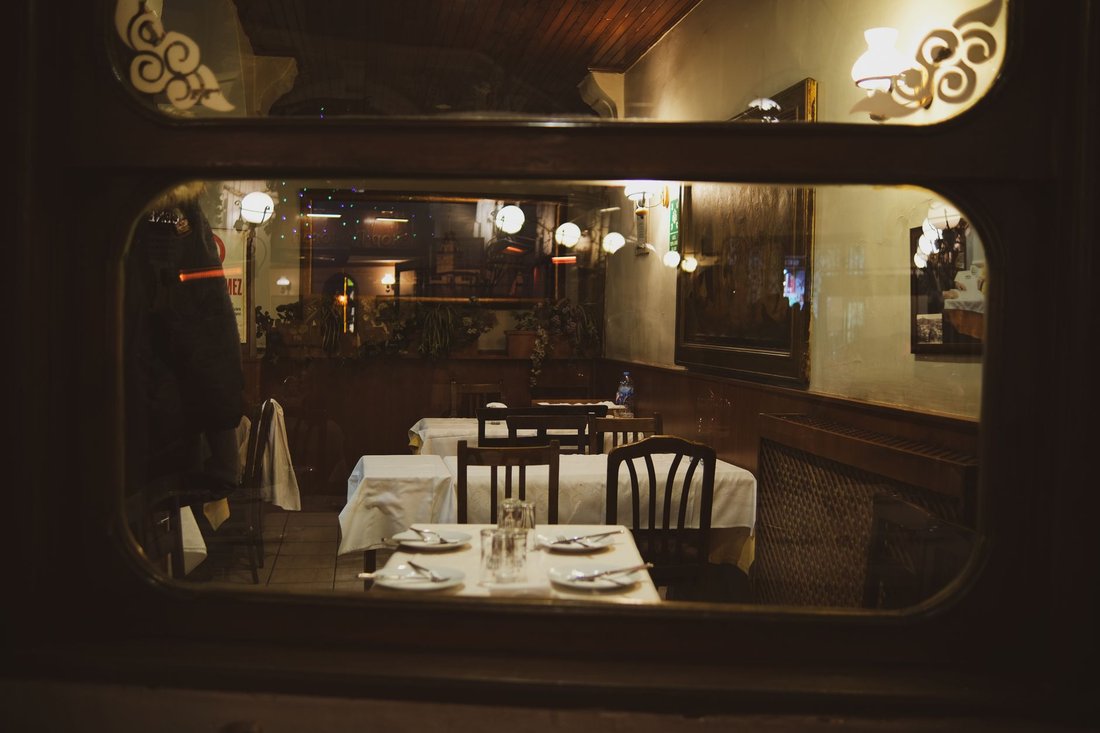
Piedmont Park empties out around seven on a weeknight in late spring, joggers peeling off toward 10th Street while the last dog walkers head for the parking lots on Piedmont Avenue. That particular hour, the park still golden and the restaurants one block west already filling up, is the best possible moment to walk into a serious Italian meal in Midtown. The timing is not accidental. Midtown rewards people who plan for it, and finding the best Italian in midtown is exactly the kind of search that benefits from knowing how the neighborhood actually works.
What Makes the Best Italian in Midtown Worth Seeking Out
Midtown is not Old Fourth Ward, where the BeltLine has turned dinner into a stroll between patios. It is not Decatur, with its village-square ease. Midtown is Atlanta's arts corridor: the Fox Theatre on Peachtree, the High Museum nearby, office towers with ground-floor restaurants serving people who arrived by MARTA or sat in Connector traffic for forty-five minutes. The dining culture here skews toward occasions — pre-theater, post-gallery, client dinners — and Italian food, at its best, is occasion food without being fussy about it.
The neighborhood's walkability is real, which matters more than people admit. Parking garages off West Peachtree or 14th Street put you within reasonable distance of most of the restaurant cluster. If you live ITP, MARTA's Arts Center station drops you right into it. OTP visitors tend to underestimate how much that changes the experience: when you are not calculating a Uber surge at midnight, you order another glass of Barolo.
How to Read an Italian Menu in This City
Atlanta's Italian dining has arrived at a specific maturity. The era of red-checkered tablecloths and bottomless bread baskets still exists, and there is nothing wrong with it, but Midtown's better Italian rooms have shifted toward a regional Italian sensibility. That means shorter pasta lists made in-house, proteins that reflect the actual season, and wine lists that acknowledge Southern Italian and Sicilian producers alongside the usual Tuscan suspects.
When you sit down, read the pasta section before anything else. House-made pasta is the single clearest signal of a kitchen that cares. If that section is long and the descriptions are specific — not just "linguine" but a named shape with a named sauce, you are probably in good hands. When it reads like a generic Italian-American chain, treat the rest of the menu accordingly.
Risotto is a reliable test of kitchen discipline. It is slow food that cannot be rushed or held, which means a restaurant that does it well has both the technique and the service choreography to pull it off on a busy Friday. Order it confidently where it appears, and pay attention to whether it arrives at the right moment in the meal, not sitting under a heat lamp while your appetizers linger.
The Pre-Fox-Theatre Calculus
If you have tickets to something at the Fox, Italian is a genuinely good call, with one condition: you must book a reservation and you must tell your server what time you need to be out. Shows at the Fox start on time. The theater is on Peachtree Street, roughly a ten-minute walk from the heart of the Midtown restaurant corridor, so a 7:30 curtain means you want to be pushing back from the table by 7:10 at the latest. Make the reservation for 5:30 or 5:45 and say so upfront.
Italian food cooperates with this schedule better than, say, a tasting menu or a barbecue spot with a line. Pasta and a salad move efficiently. Skip the dessert course and have a drink at intermission instead. The Fox's lobby bar is underrated. This is not a compromise. It is the correct way to do a Fox Theatre night.
What to Prioritize When You Order
Antipasti in Midtown Italian rooms tend to be strong because local sourcing has gotten serious in Atlanta. Look for preparations that reflect the season: a burrata with something local and sweet in summer, roasted root vegetables in winter. Atlanta does not have the seasonal produce theatrics of, say, a coastal city with a fishing dock out back, but Georgia's agricultural calendar is real and the better kitchens pay attention to it.
For pasta, lean toward shapes that hold sauce like rigatoni, pappardelle, or something tubular or ridged if you are ordering a rich braise or a ragù. Fresh stuffed pasta like ravioli or tortellini is worth ordering when the filling is described specifically; vague descriptors are a warning sign. Cacio e pepe and similar minimal preparations are high-wire acts that reveal everything about a kitchen's pasta quality and butter temperature. Order them once, and you will know immediately whether the kitchen is serious.
The wine list in a Midtown Italian room should have at least a few options by the glass that are not Pinot Grigio and Chianti. A list that ventures into Aglianico, Vermentino, or Nero d'Avola tells you the beverage program is being curated, not just assembled. When unsure, ask the server what is poured most often by the glass — that answer is usually honest and useful.
Pairing Italian with the Rest of a Midtown Night
One of the underappreciated pleasures of eating Italian in Midtown is what comes after dinner. The neighborhood has more walkable post-dinner options than almost anywhere ITP outside of the BeltLine itself. A stroll through the Piedmont Park corridor clears the head, the same way an unhurried meal at one of Midtown's best Italian restaurants does. The arts district along Peachtree is lit up on weekend nights in a way that makes the walk back to your car or the MARTA station feel intentional rather than incidental.
For a longer evening, pair the Italian dinner with something at the Fox or the Woodruff Arts Center. It is the kind of double-bill that makes Atlanta feel like the actual city it is, rather than the sprawling-suburb version people picture when they have never lived here. The neighborhoods that make Atlanta work are mostly ITP, and Midtown, on a good night, makes that case clearly.
The practical takeaway is this: Midtown Italian rewards preparation. Book the reservation, flag your curtain time if you have one, read the pasta menu first, and order the wine by the glass if you are still deciding on the room. The neighborhood will handle the rest: the energy, the walk home, the sense that you are somewhere worth dressing up for.