Best Food Halls in Atlanta, Tried and Tested
Four Atlanta food halls, tried on foot and empty stomach, prove the format only works when it stays specific to the neighborhood holding it up.
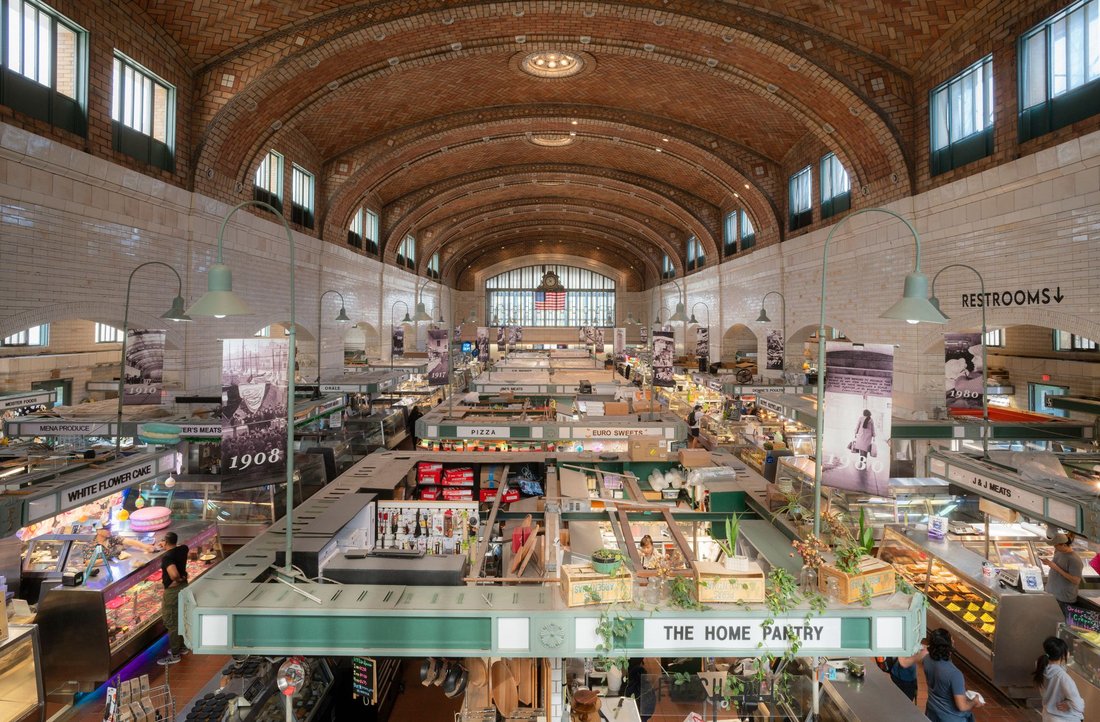
The line at Ponce City Market's food stalls on a Saturday afternoon tells you something before you've eaten a bite: nobody here is in a hurry. Trays balance on hips while people scan the room for a table that isn't there, then head for the rooftop or a spot along the counter instead. That's the real test of the best food halls in Atlanta — not how many vendors fit under one roof, but whether the room still feels like it belongs to the neighborhood around it once the crowd shows up.
Atlanta didn't invent the food hall, but the city has taken to the format with more conviction than most, partly because it solves a problem specific to how this city eats. Restaurants here open small and spread out, ITP kitchens especially, and a food hall lets a cook with fifteen years in someone else's kitchen finally run a stall without financing a full buildout. The good ones read like a snapshot of who's cooking in Atlanta right now. The lesser ones read like a mall food court with better lighting.
Ponce City Market: the one that started the conversation
Ponce City Market sits where the BeltLine's Eastside Trail runs past the old Sears building, and the food hall inside functions less as a destination meal and more as a pit stop for people already moving between Old Fourth Ward and Poncey-Highland on foot or bike. The building itself does a lot of the work, with exposed brick, factory windows, and the kind of scale that makes a plate of food feel like a small part of something bigger. Go on a weekday morning and it's a different room entirely: fewer trays, more laptops, the kind of quiet that lets you actually taste what you ordered. Check current hours before you go, since vendor lineups and schedules shift, but the format itself has stayed consistent since it opened: quick-service stalls, shared seating, and a rooftop that turns the whole visit into more than a meal.
What it gets right
The BeltLine connection matters more than the architecture. A food hall that people walk to, rather than drive to and park for, behaves differently. The pace is looser, the seating turnover slower, the whole thing more like a piazza than a cafeteria. That's the model other developments in the city have chased since, with mixed results.
Krog Street Market: Inman Park's version of the same idea
Krog Street Market takes the same basic format, a restored industrial building with a mix of quick-service stalls and sit-down restaurants and a bar anchoring the middle of the room, and plants it in Inman Park instead, a few blocks from the Krog Street Tunnel. The neighborhood context changes the feel of the place even when the bones are similar. Inman Park's a smaller, more residential pocket than the BeltLine corridor near Ponce City Market, and the market reads accordingly: less transient foot traffic, more regulars who've figured out their order and their preferred table. It's a good spot to bring someone who says they don't like food halls, because it doesn't feel like a food hall so much as a building full of restaurants that happen to share a roof.
Sweet Auburn Curb Market: history that isn't for tourists
Sweet Auburn Curb Market predates the current wave of food halls by almost a century, and it shows in the best way. This isn't a repurposed warehouse dressed up to look authentic, it's an actual market that's fed the Sweet Auburn district since long before "food hall" was a category anyone marketed. The Auburn Avenue corridor it sits on is central to Atlanta's civil rights history, and the market itself has always been a working part of that neighborhood's daily life, not a stop on a heritage tour. Go for the mix of produce vendors, prepared-food stalls, and the kind of no-frills counter service that doesn't need a design firm to feel right. It's a useful corrective if the newer halls start to feel interchangeable — a reminder that the format worked in Atlanta long before it had a name.
Chattahoochee Food Works and Politan Row: the newer entries
Chattahoochee Food Works, on the Upper Westside in an old warehouse district that's been reinventing itself for years, leans into a rougher, more industrial identity than the polished BeltLine spots, with concrete floors, garage-door openings, and a lineup that's changed over as vendors have come and gone. Politan Row at Colony Square takes the opposite approach: a smaller, tightly edited room inside Midtown's Colony Square complex, closer in spirit to a well-edited food court than a sprawling market. Neither has quite the built-in foot traffic of a BeltLine location, which means they live or die more on vendor lineup than on location alone. Worth checking current listings before a visit, since turnover at both has been real.
How to actually eat well at a food hall
A few habits separate a good visit from a mediocre one, regardless of which hall you pick.
- Walk the whole room before ordering anywhere. Every stall wants your first impression, and the best plate in the building is rarely the one closest to the entrance.
- Go on a weekday if you want to actually taste your food instead of just transporting it through a crowd.
- Split orders across two or three stalls rather than committing to one big plate — the format exists so you can build a meal from different kitchens, and not using that is leaving the whole point on the table.
- If you're craving a plate of lemon-pepper wings, a food hall counter is often a lower-stakes way to try a version before committing to a full restaurant visit.
None of this works, though, if you treat every hall the same way. Ponce City Market rewards a slow BeltLine afternoon. Krog Street Market rewards a date night with low commitment. Sweet Auburn rewards curiosity about how the city actually fed itself before "market hall" became a real estate term. Chattahoochee Food Works and Politan Row reward people who like checking in on what's new, since the lineups move. Pick based on the day you're having, not the review you read, and pair the visit with something else nearby — a walk on the BeltLine, an afternoon in Decatur's downtown coffee scene, whatever gets you there on foot instead of circling for parking. The best food halls in Atlanta are the ones that still feel like they're serving the block they're on, not the ones with the longest vendor list.
The format will keep multiplying here, because it solves a real problem for cooks and a real problem for a city that eats out constantly but doesn't always want a full sit-down commitment. Judge each new one the same way: does it feel like it belongs to the street outside, or does it feel like it could be airlifted into any city in the country without anyone noticing the difference.